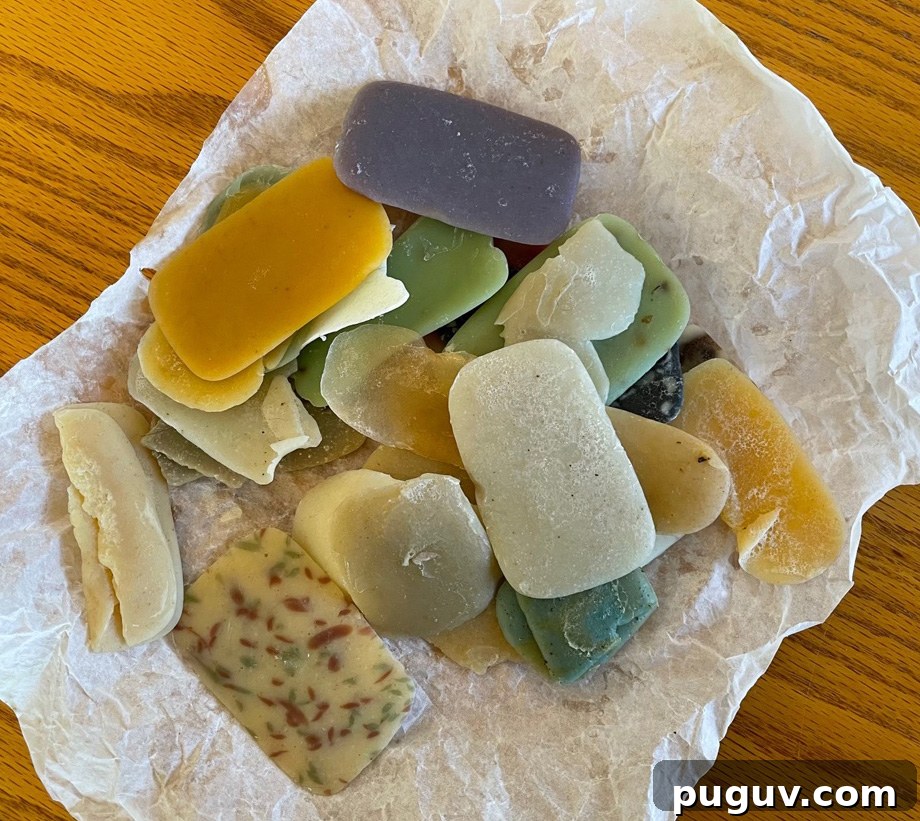
Don’t toss those tiny soap slivers that are too small to use—recombine them into a fresh, usable bar.
I love handmade, natural soap. With very sensitive skin, liquid soaps and heavily scented commercial products often irritate me. They also bring unnecessary additives, strong fragrances, and plastic packaging. For those reasons I prefer simple bar soap made from quality ingredients.
My favorite source has been A Wild Soap Bar, a family-owned maker that uses vegetable oils and wildcrafted botanicals. Their soaps come in many scents—from Desert Sage and Wild Carrot to Blue Agave and Passionflower—and seasonal varieties as well. They’re creamy, gentle, and lightly packaged, so my family uses them exclusively.
Saving the Soap Slivers
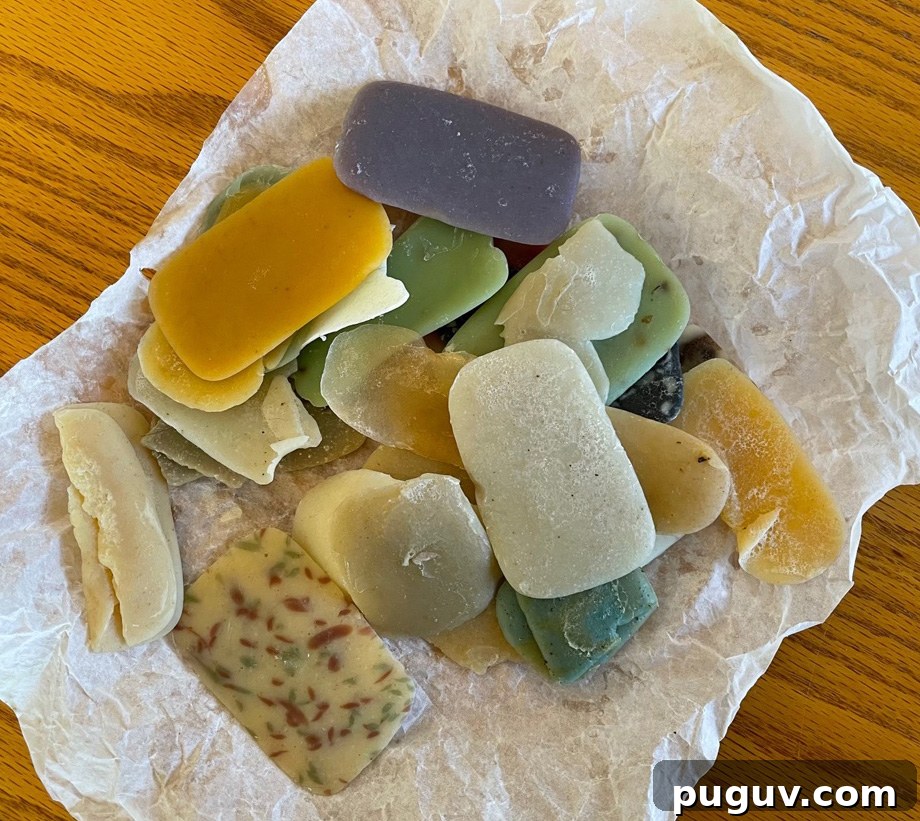
When bars wear down to slivers, I save them instead of discarding them. By collecting these scraps I can remake them into new soap balls. The remade soaps blend colors and won’t be as pretty as the originals, so I reserve them for everyday use rather than for guests. Still, they remain creamy, lather well, and leave no soapy residue.
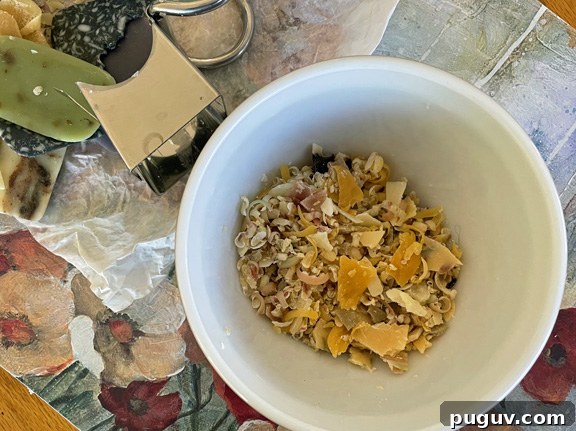
Step 1:
Grate the soap slivers with a box grater or cheese grater until you have about 1 cup of grated soap. For pieces too fragile to grate, break them into small bits by hand.
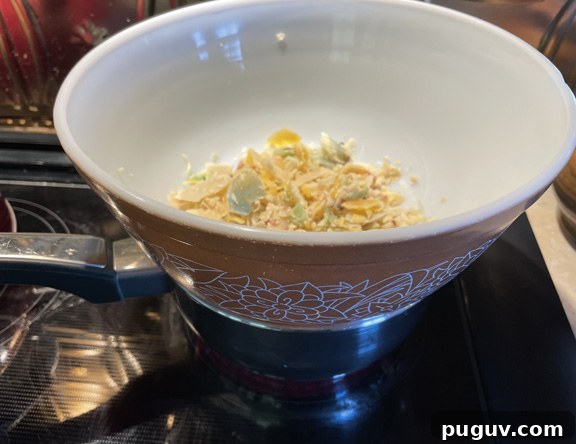
Step 2:
Place the grated soap in a heatproof bowl and add about 1 tablespoon of water. Set the bowl over a saucepan of simmering water to gently heat the soap.
Note: I don’t use a narrow double boiler for this—those are better for melting chocolate. A shallow, wide bowl works best for melting and combining soap scraps evenly.
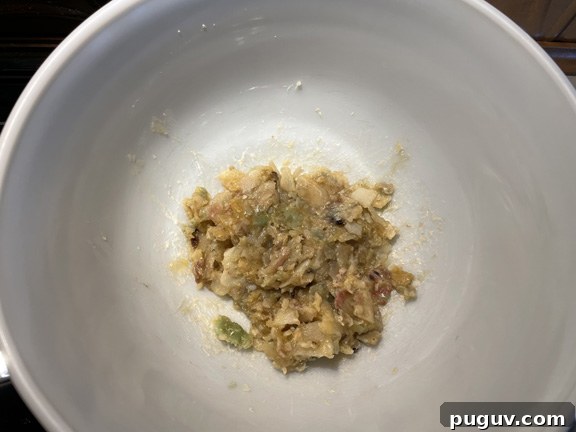
Step 3:
Stir the soap occasionally with a metal spoon as it softens. Smaller grated pieces will soften first; depending on the soap types this can take from 15 minutes to almost an hour. If you wish, add a drop of food coloring or natural dye while melting. Keep an eye on the water beneath so it doesn’t boil dry.
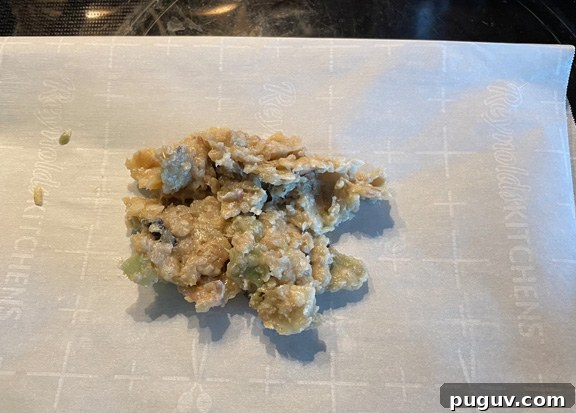
Step 4:
When the softened pieces cling together and form a gummy mass, remove the bowl and scrape the mixture onto a sheet of parchment paper. Some broken pieces may not fully melt; the goal is a cohesive, moldable texture rather than a liquid.
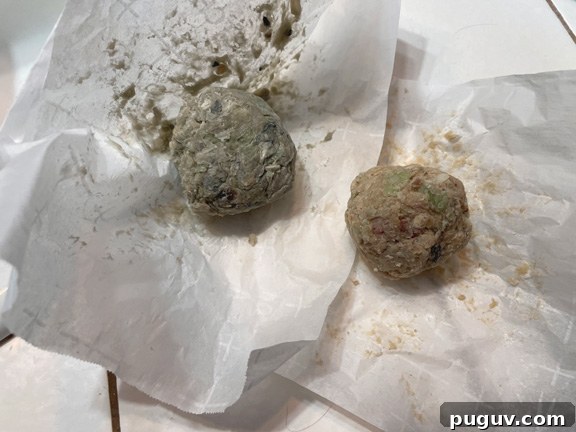
Step 5:
Using the parchment paper, shape the mass into a ball or any compact form with your hands. Allow the new soap to rest and cure for at least a month before using it. During that time it firms up and becomes more user-friendly.
The finished soap balls may be marbled or muted in color depending on the scraps you combined—green, purple, and black pieces make a darker ball, while yellow and beige scraps yield a lighter one. You can add color if you like, but it’s not necessary. These repurposed soap balls work perfectly for sinks, kitchen use, or everyday handwashing, and keep good handmade soap from going to waste.