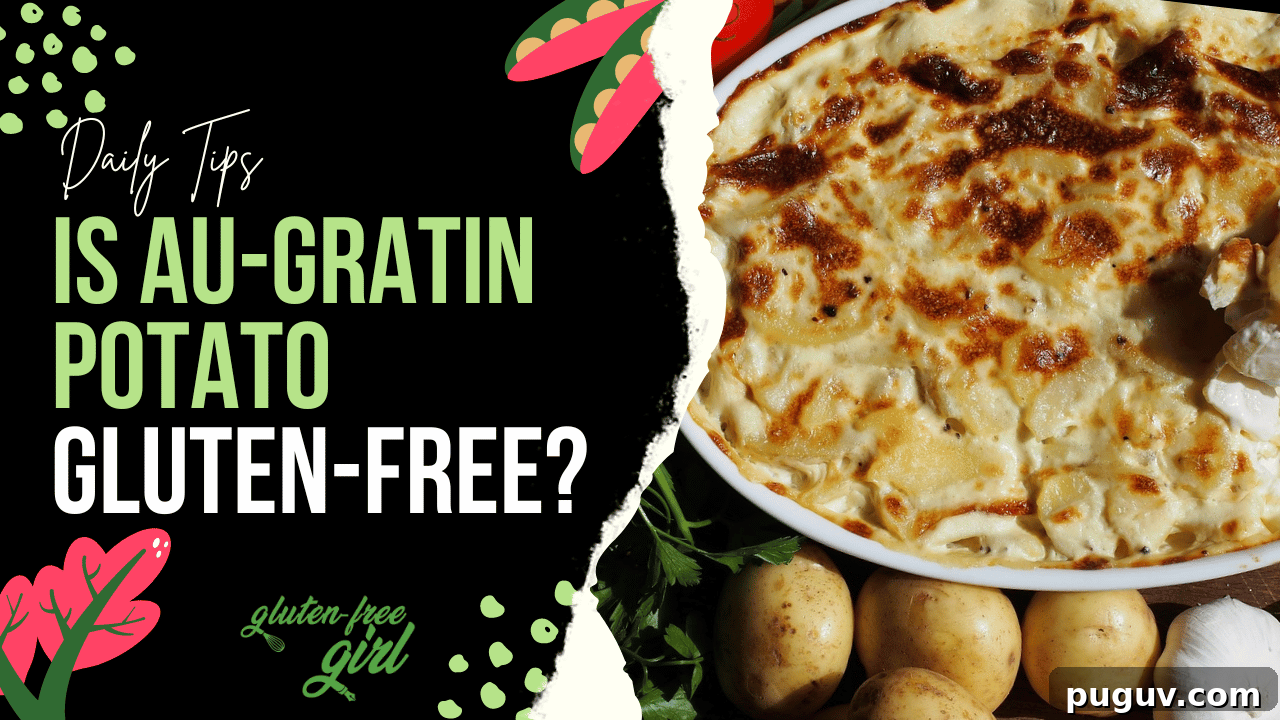
Yes, au-gratin potatoes are gluten-free. Traditional au-gratin potatoes are made from thinly sliced potatoes layered with cream, cheese, butter and seasonings, then baked until golden and bubbling. Since the basic ingredients—potatoes, dairy, and common herbs—do not contain wheat, barley, or rye, a correctly prepared au-gratin dish is naturally gluten-free.
For people with celiac disease or non-celiac gluten sensitivity, confirming the gluten-free status of a dish is important. Celiac disease is an autoimmune condition triggered by gluten ingestion; avoiding gluten prevents intestinal inflammation and long-term damage. When au-gratin potatoes are made without wheat-based thickeners, breadcrumbs, or contaminated ingredients, they provide a safe, satisfying option for those on a strict gluten-free diet.
Many cooks adapt au-gratin recipes to fit specific dietary patterns. For example, individuals following paleo-inspired or dairy-free versions may substitute almond milk, coconut cream, or nut-based cheeses, creating a gluten-free au-gratin that also accommodates other dietary needs. The essential point is to replace any gluten-containing components with certified gluten-free or naturally gluten-free alternatives and to maintain careful kitchen practices to avoid cross-contamination.
Au-gratin differs from mashed potatoes in both texture and preparation. Mashed potatoes are boiled and mashed with butter, cream, or milk and are inherently gluten-free when no wheat-based thickeners are used. Au-gratin potatoes rely on thin layers and baking to achieve a creamy, gratin-like crust. Both are popular gluten-free side dishes, but au-gratin offers a distinct presentation and mouthfeel that makes it suitable for special meals or holiday tables.
Can a gluten-sensitive individual eat au-gratin potatoes?
Yes. People with non-celiac gluten sensitivity (NCGS) generally tolerate naturally gluten-free foods, including properly prepared au-gratin potatoes. The key is ensuring none of the added ingredients or preparation steps introduce gluten. Flour-thickened sauces, conventional breadcrumbs, or cross-contamination in a shared kitchen can make an otherwise safe dish hazardous for sensitive individuals.
For those with celiac disease, au-gratin potatoes can be an enjoyable, safe part of the diet when all ingredients are verified gluten-free and strict food handling practices are followed. Always confirm that cheeses, creamers, sauces, and any processed items used are labeled gluten-free or come from trusted gluten-free suppliers.
What gluten-free ingredients can you add to au-gratin potatoes?
Common gluten-free additions and components include:
- Potatoes: Naturally gluten-free and the base of the dish.
- Cream or milk: Use plain dairy or certified gluten-free non-dairy alternatives.
- Cheese: Natural cheeses are typically gluten-free; check labels for additives.
- Butter: Pure butter contains no gluten.
- Salt and pepper: Basic seasonings are gluten-free.
- Garlic and herbs: Fresh or single-ingredient dried herbs are safe.
- Gluten-free thickeners: Rice flour, cornstarch, or potato starch can thicken sauces.
- Gluten-free breadcrumbs: Use certified gluten-free crumbs or omit topping.
- Onions: Add flavor and texture—naturally gluten-free.
- Cooking oil or spray: Ensure the product has no gluten-containing additives.
How to keep au-gratin potatoes gluten-free
Follow these steps to ensure a safe gluten-free au-gratin:
- Choose certified gluten-free or naturally gluten-free ingredients and read labels carefully.
- Avoid wheat-based thickeners and conventional breadcrumbs; use gluten-free substitutes instead.
- Designate separate utensils, cutting boards, and bakeware for gluten-free cooking or ensure thorough cleaning before use.
- Clean countertops, appliances, and hands to reduce cross-contamination risks.
- Use separate containers for oils, butter, and seasonings used exclusively for gluten-free dishes.
- When baking in a shared oven, place gluten-free dishes on upper racks or cover them to minimize exposure to drips from other foods.
- Label gluten-free dishes clearly when serving to avoid accidental contamination.
Common cross-contamination hazards include shared cutting boards (for example, slicing bread then potatoes on the same board) and spoons or ladles used in gluten-containing sauces and then placed into a gluten-free dish. Vigilance in the kitchen is essential for protecting people with celiac disease and severe gluten sensitivity.
Are au-gratin potatoes with butter gluten-free?
Yes. Butter is gluten-free, so au-gratin potatoes made with butter remain gluten-free provided all other ingredients are free from gluten and proper precautions against cross-contamination are taken.
Are au-gratin potatoes with meat gluten-free?
Meat itself is typically gluten-free, but combined au-gratin dishes that include meat may become contaminated by gluten through sauces, marinades, or processed meat products containing fillers or thickeners. Gravies made with wheat flour or pre-seasoned meats with breadcrumbs can introduce gluten. To keep a meat-topped au-gratin gluten-free, use plain, unseasoned meat or gluten-free marinades and verify all packaged ingredients.
Are au-gratin potatoes with milk gluten-free?
Yes. Milk is naturally gluten-free. Ensure any milk substitutes or additive-containing products are certified gluten-free, and check that additional ingredients like cheeses or sauces do not contain hidden gluten.
Is au-gratin potato with cream cheese gluten-free?
Yes. Cream cheese itself is typically gluten-free, but the overall dish must still be assembled from gluten-free ingredients and prepared to avoid contamination. Always inspect labels when using processed dairy products.
How can au-gratin potatoes contain gluten?
Au-gratin recipes can contain gluten if they use wheat-based roux or flour to thicken the sauce, wheat-based breadcrumbs on top, or processed ingredients that include gluten-containing stabilizers. Cross-contamination in a shared kitchen is another frequent cause. Using gluten-free flours, certified gluten-free breadcrumbs, and careful handling prevents these issues.
How can cross-contamination be prevented when preparing au-gratin potatoes?
Prevent cross-contamination by using separate, clearly marked utensils and cookware for gluten-free preparation, thoroughly cleaning surfaces, washing hands, and verifying that packaged ingredients carry gluten-free labels. Avoid sharing cutting boards and kitchen tools with gluten-containing foods, and keep gluten-free items stored separately. When in doubt, contact product manufacturers for clarification about production practices and potential cross-contact risks.
How to tell if au-gratin potato products are gluten-free?
Check ingredient lists for wheat, barley, rye, or derivatives. Look for a gluten-free certification or explicit gluten-free statement on the packaging. If labeling is unclear, contact the manufacturer to ask about ingredients and cross-contact controls. When making au-gratin at home, verify that cheeses, creams, seasonings, and any prepared components are gluten-free and follow safe kitchen practices.
Are instant au-gratin potato mixes gluten-free?
Some instant au-gratin mixes are gluten-free, while others contain wheat-based thickeners. Always read labels and choose products that are expressly labeled gluten-free or list only gluten-free ingredients to ensure safety for those with gluten sensitivities or celiac disease.
Are au-gratin potatoes the same as mashed potatoes in terms of being gluten-free?
No. While both dishes can be gluten-free, they are different preparations. Mashed potatoes are boiled and mashed with dairy or dairy substitutes and are naturally gluten-free if no wheat-based thickeners are used. Au-gratin potatoes are layered and baked with a creamy sauce and cheese; their gluten-free status depends on using gluten-free thickeners and toppings and preventing cross-contamination.
Au-gratin potato products to avoid
Be cautious with premixed or packaged au-gratin products that do not list a gluten-free claim or that include wheat flour, wheat starch, or conventional breadcrumbs. Frozen or prepared casseroles can also contain hidden gluten in sauces and additives. When dining out, ask how the dish is prepared and whether cross-contact is possible. Preparing au-gratin potatoes at home with certified gluten-free ingredients and careful handling is the safest way to ensure a gluten-free result.