Maybe you’ve been wondering but feel too afraid or embarrassed to ask, can edibles cause digestive problems? The short answer is: they can for some people. Read on to learn why this happens and what practical steps you can take to reduce the risk.
Article Features
- Why edibles can trigger digestive reactions and which ingredients to watch
- How to ease symptoms and when to consult a doctor
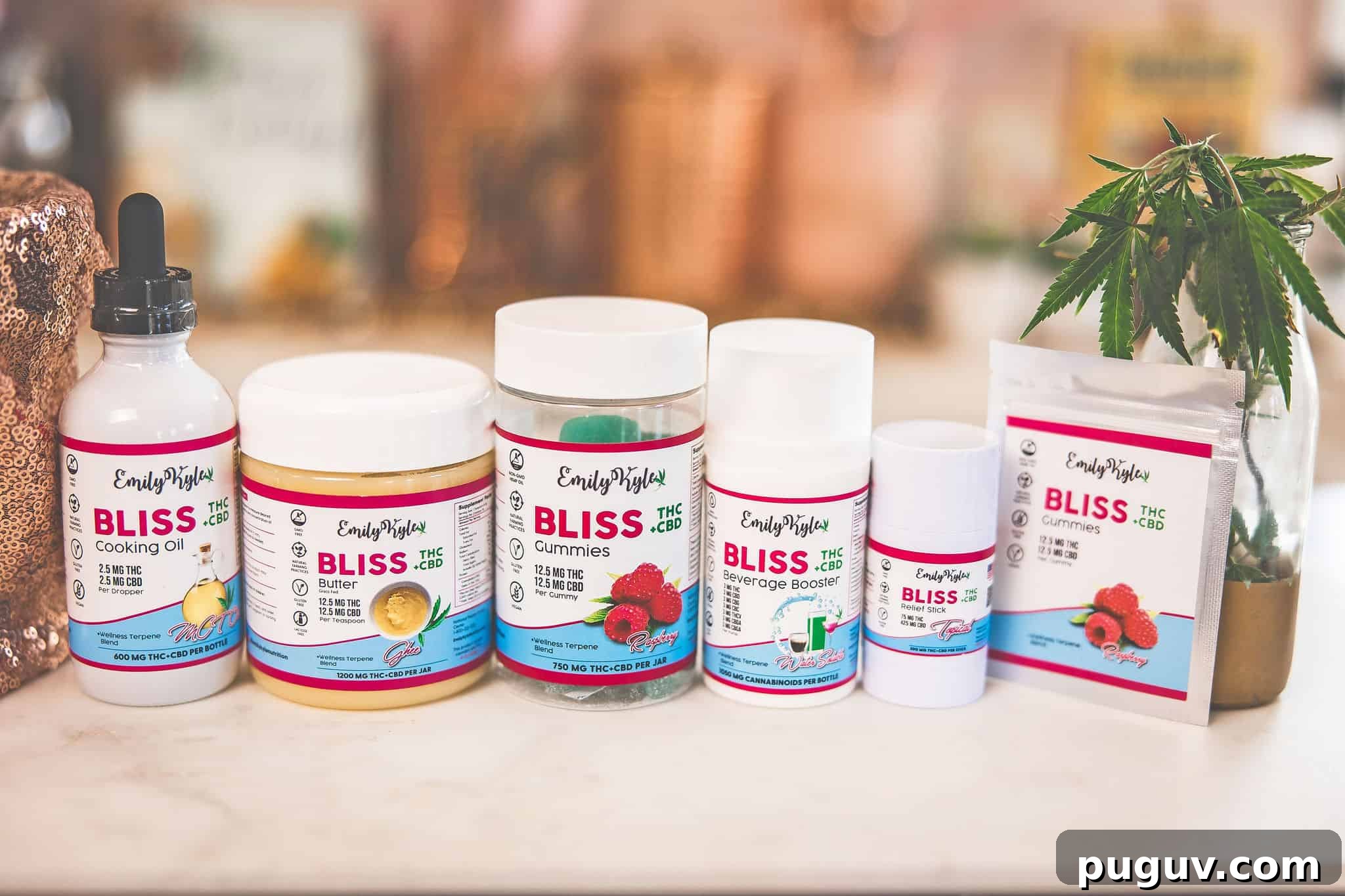
- Want to skip the hard work? Shop with me and have premium, high-quality cannabis products delivered directly to your door! Now shipping across the US.
Why You Will Love This Guide
If you’re exploring alternatives to smoking cannabis, edibles are an attractive option. They spare your lungs, are discreet, and offer a different experience that many people enjoy over the long term.
Edibles are convenient, often more discreet than smoking, and popular in community groups focused on wellness and cannabis use.
That said, edibles aren’t perfect for everyone. Some people experience digestive upset after consuming them. This guide explains the likely causes, what to try if it happens to you, and how to avoid repeats.
Can Edibles Cause Digestive Issues?
Cannabis edibles are a tasty and popular way to consume cannabis, but some people do report digestive symptoms after eating them.
When you ingest cannabis-infused foods—like brownies or gummies—the cannabinoids (THC, CBD, etc.) interact with receptors in the body’s endocannabinoid system. That interaction can offer benefits such as pain relief, mood effects, or symptom relief for certain conditions. However, it can also be accompanied by unwanted side effects, especially for new users or those sensitive to specific ingredients.
Common digestive complaints associated with edibles include:
- abdominal pain
- stomach ache
- diarrhea or constipation
- nausea
In many cases, these problems are not caused directly by cannabinoids themselves but by other components in the edible—like oils, emulsifiers, or fillers—that can irritate some people’s digestive systems.
⭐ Pro Tip: Individual reactions vary. Start low and go slow when trying new edible products.
Ingredients to Watch Out For
If edibles seem to be causing you stomach trouble, review the ingredient list carefully. Identifying and removing the offending ingredient is often the fastest route to relief.
Below are common ingredients and preparations that can trigger digestive upset in some people.
Types of Oil
Many edibles use an oil carrier to extract or deliver cannabinoids. The oil type matters: coconut oil and MCT oil are popular, but they can cause digestive changes for sensitive individuals.
Coconut oil can accelerate digestion and is sometimes used to relieve constipation, while MCT oil is absorbed quickly and can draw water into the colon, potentially causing diarrhea in people prone to gut sensitivity.
If you suspect an oil is the issue, consider trying alternatives such as tinctures or using decarbed flower in recipes, which may be gentler for your system.
Lecithin
Lecithin is an emulsifier used to blend oils with water-based ingredients and to ensure even cannabinoid distribution. It also can speed absorption, making effects appear sooner for some users.
Most people tolerate lecithin without issue, but a minority report bloating, nausea, or diarrhea after consuming it. If you notice these symptoms and your edibles contain lecithin, try a lecithin-free option to compare.
Cannabis Allergy
A portion of consumers are allergic to components of the cannabis plant. Typical allergic signs include runny nose, itchy eyes, skin rashes, or hives.
If you are allergic and ingest cannabis, vomiting and diarrhea are possible. If you suspect an allergy, seek medical advice so you can get a proper diagnosis and an appropriate plan for managing or avoiding exposure.
How to Ease the Symptoms
If you experience diarrhea or stomach upset after edibles, try the following strategies to reduce or manage symptoms.
- Examine ingredient labels to identify potential irritants and avoid products that contain them.
- Avoid consuming edibles on an empty stomach—eating a small meal or snack first can reduce GI upset.
- Lower your dose and increase gradually to find your personal tolerance.
- Warm showers or baths can offer temporary relief for nausea or discomfort for some users.
- If edibles consistently cause issues, consider switching to inhalation methods like smoking or vaping, or try tinctures, which may be easier on the stomach.
When To Seek Further Help
If symptoms persist or are severe, consult your healthcare provider—especially if you have underlying medical conditions such as:
- inflammatory bowel disease
- ulcerative colitis
- irritable bowel syndrome
- acute pancreatitis
- Crohn’s disease
- other gastrointestinal disorders
- chronic pain or heart conditions
- cancer or if you are pregnant
- if you take prescription medications that could interact
A clinician can help determine whether your symptoms stem from an existing condition, an ingredient in the edible, or a cannabis-related reaction, and recommend a safe plan moving forward.
Frequently Asked Questions
Yes—though digestive issues after consuming edibles are often caused by other ingredients in the product rather than the cannabis itself.
Beyond psychoactive effects, edibles can sometimes cause rapid heartbeat, anxiety or panic in sensitive people, and digestive upset depending on the ingredients used.
While you can become intensely intoxicated from too much THC, causing severe discomfort, the risk of a fatal overdose from cannabis is extremely low. Seek medical help if symptoms are severe or unmanageable.
Conclusion
Edibles can be a safe and enjoyable way to use cannabis, but they may cause digestive symptoms in some people. Often the trigger is an ingredient such as certain oils, emulsifiers, or additives rather than the cannabinoids themselves.
If you experience digestive upset, review ingredient lists, lower your dose, try different product formats, and consult your healthcare provider if symptoms persist or if you have existing health concerns.
There are many ways to enjoy cannabis—if you want to expand your skills in making edibles, consider courses or trusted resources that teach safe dosing and ingredient choices.

Take your edibles to the next level…
My Edibles Made Easy Online Cooking Course teaches step-by-step techniques to infuse, extract, and create a variety of edible and topical recipes at home, helping you control ingredients and dosing.
More Articles You Will Love
Articles & How-To Guides
A Beginner’s Guide to Cannabis Edibles
Articles & How-To Guides
Lecithin for Edibles: Where, When & Why We Use It
Articles & How-To Guides
👉Can Mango Enhance the Effects of Cannabis Edibles?
Articles & How-To Guides