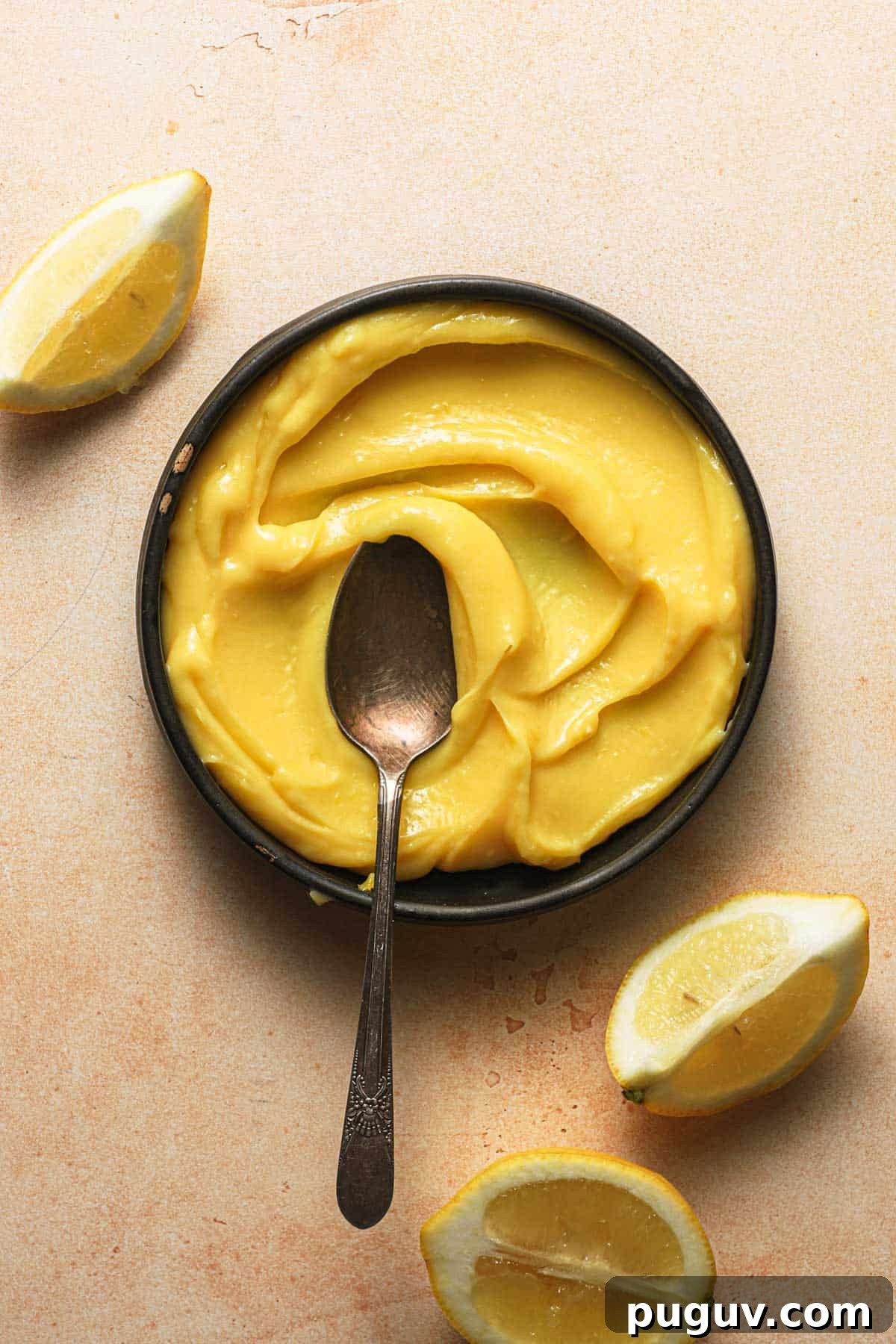
Silky, vibrant homemade lemon curd bursting with bright, fresh lemon flavor, made from a few simple ingredients. This smooth, glossy spread is sweet, tangy, and rich—perfect as a cake filling, stirred into yogurt, spread on scones, spooned into tart shells, or enjoyed straight from the jar.
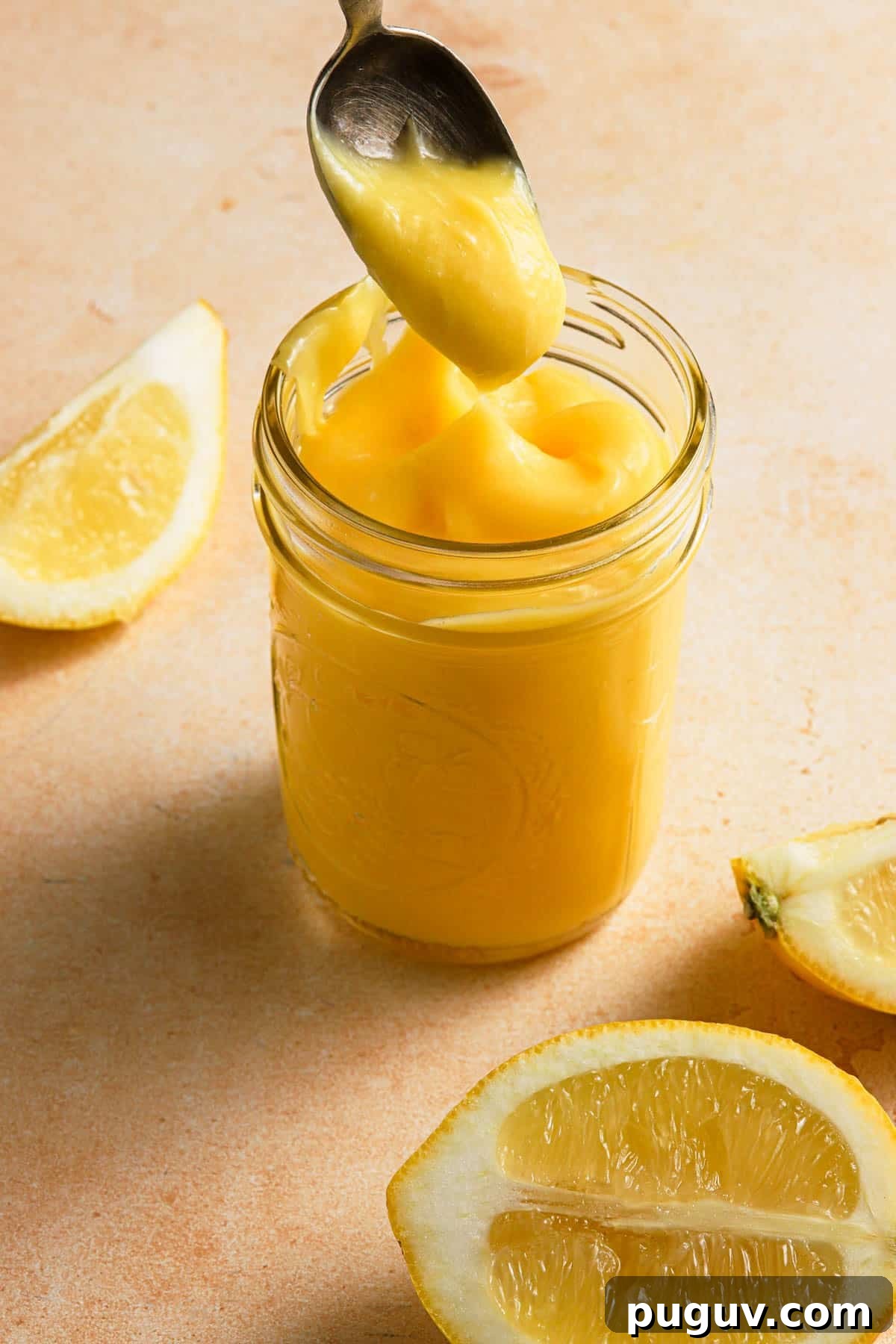
I’ll be honest: zesting and juicing lemons can feel like a chore, so I sometimes put off making lemon curd. But when I want to impress with a Limoncello Mascarpone Cake I remember how quick and straightforward this curd is—juicing is still the only slow part. Below you’ll find tips I learned while developing this recipe and the full method in the recipe card at the end.
There are a few small details to keep in mind when making curd to ensure a smooth, silky result. Follow the tips and the recipe steps for the best texture and flavor.
Whole Eggs vs. Egg Yolks
Many lemon curds use only yolks, but this version combines whole eggs and yolks to achieve a lighter texture and brighter color. Using whole eggs increases the water content and adds proteins that coagulate at a lower temperature, so the curd thickens more quickly and has an airy, vibrant finish.
Make It
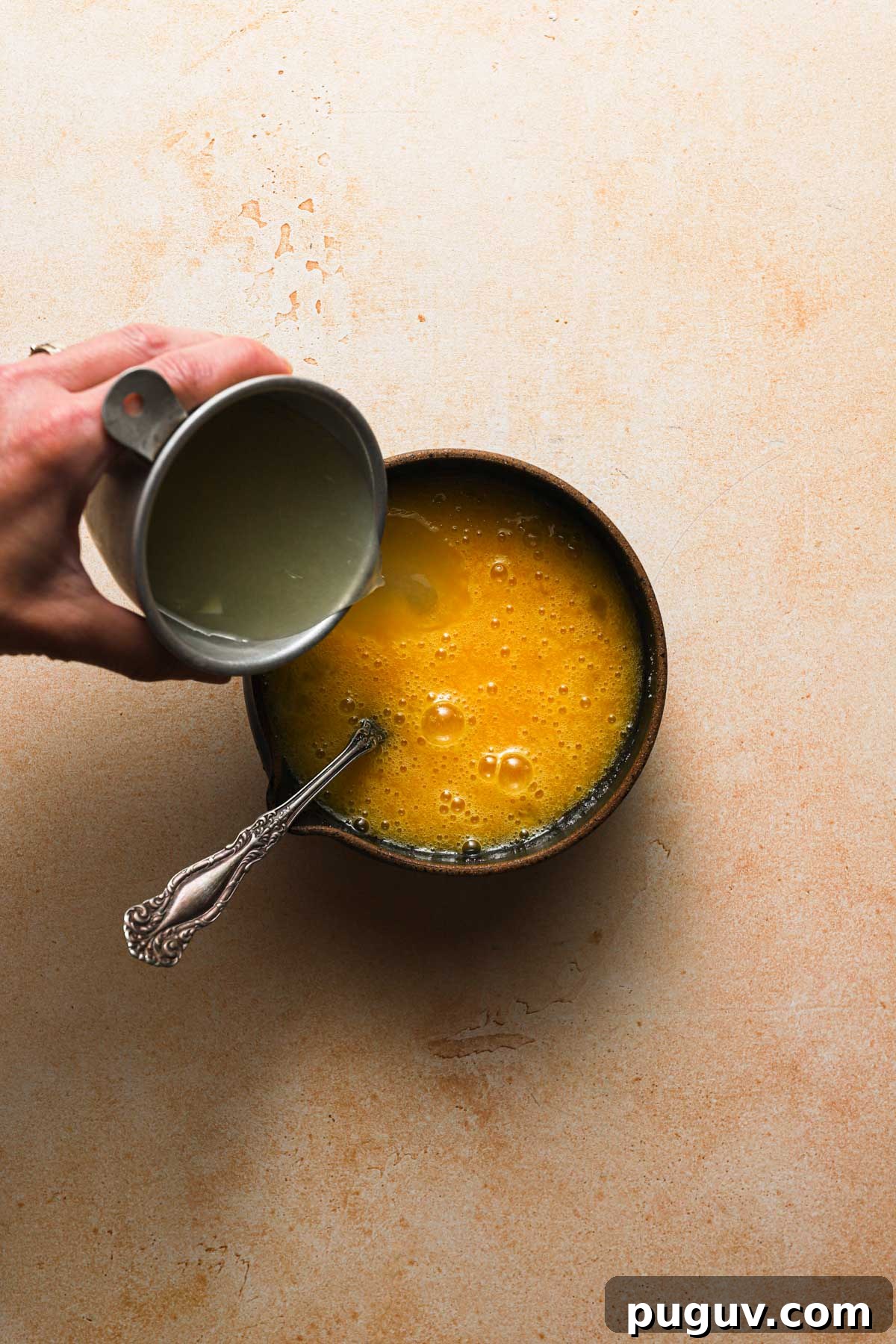
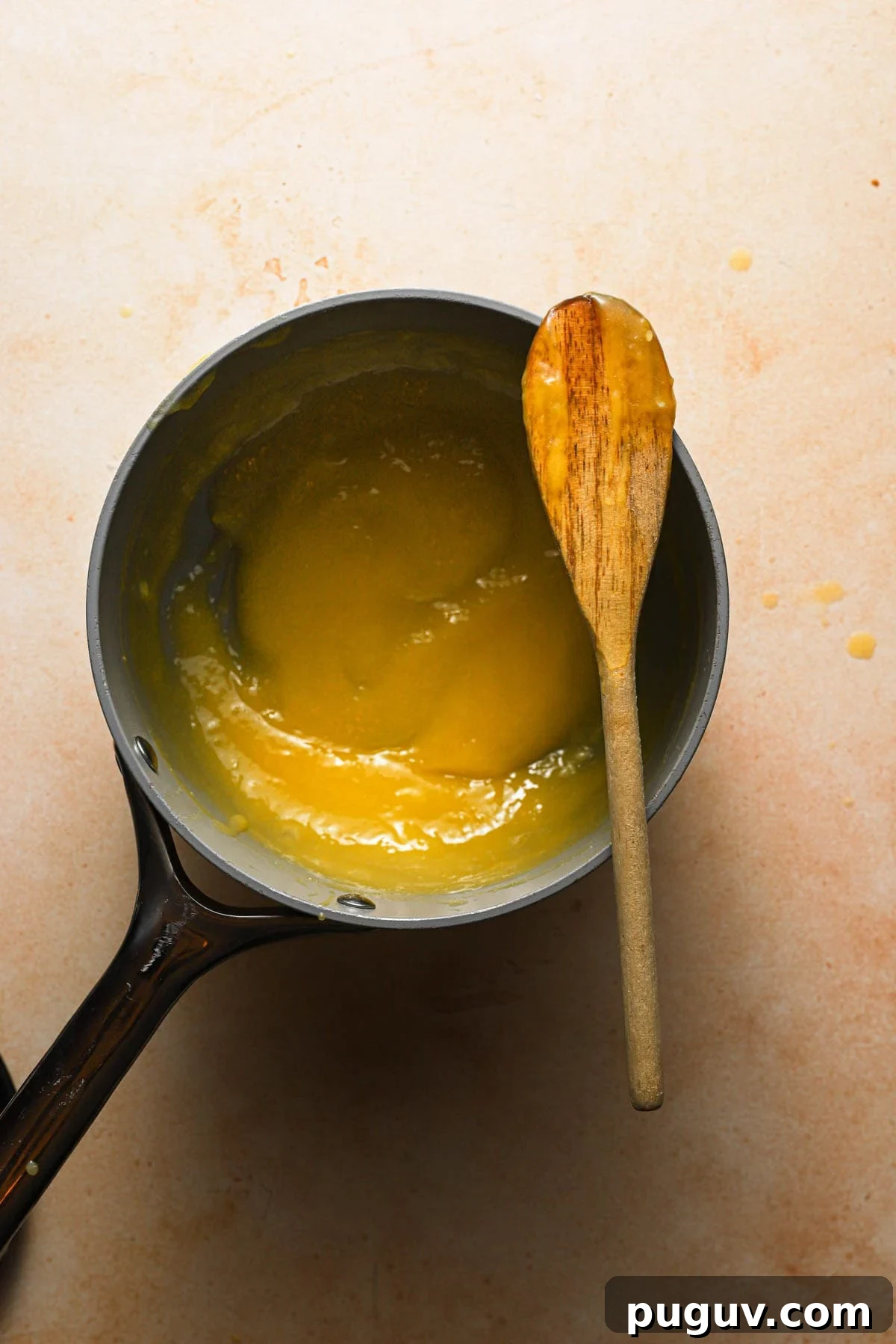
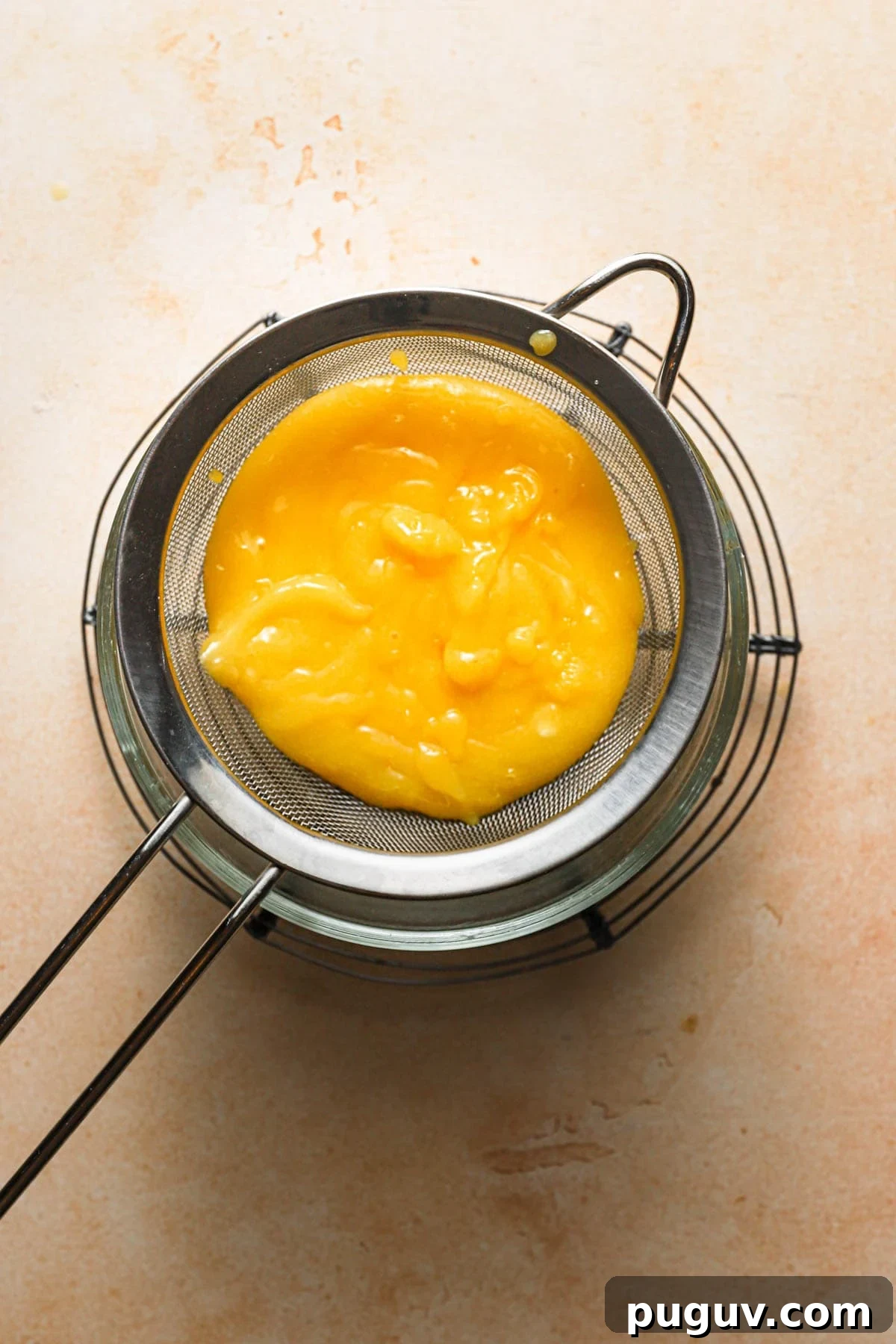
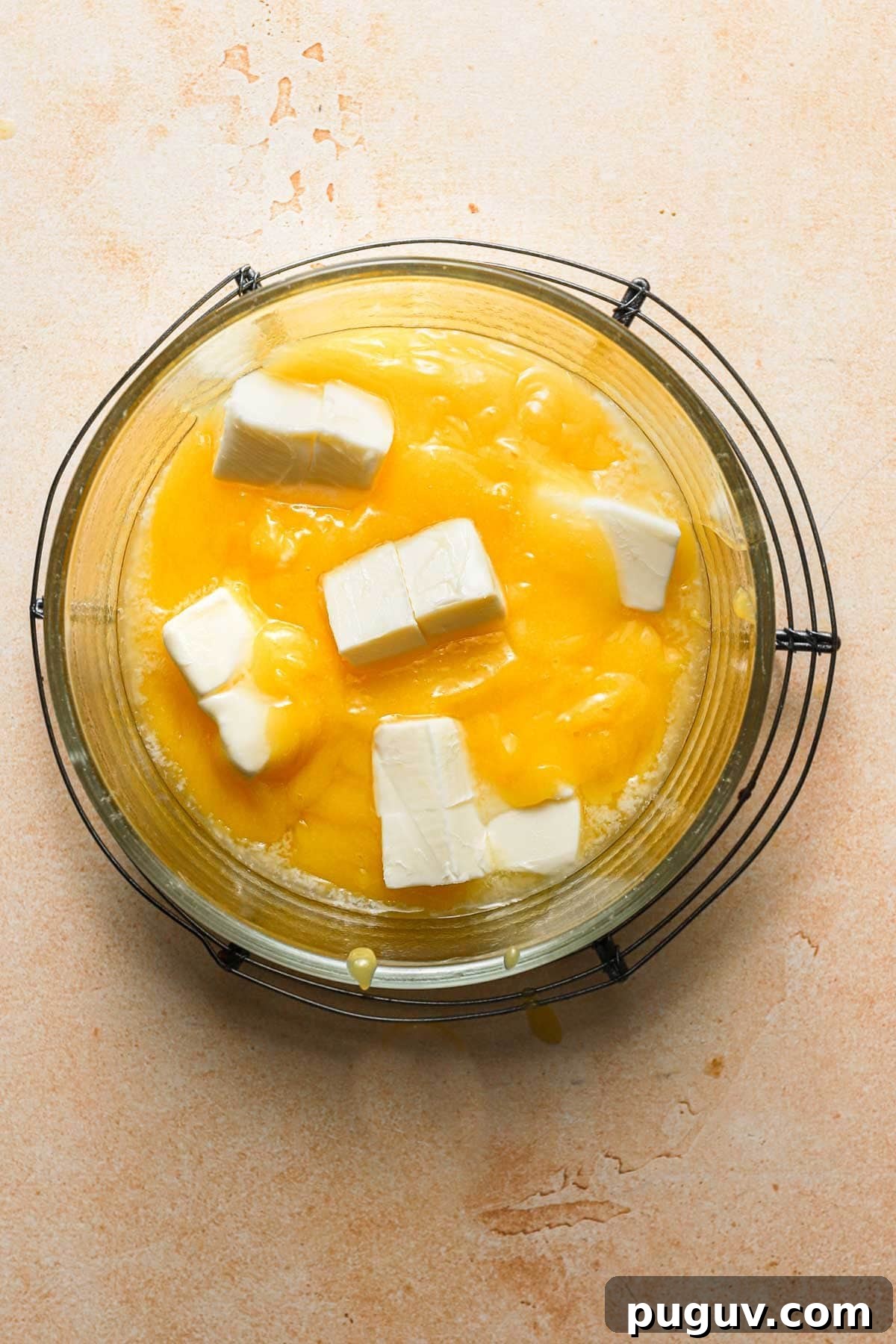
Below are step-by-step photos for a visual guide and practical tips to help you avoid common mistakes. The full recipe is in the card at the bottom.
- Use room-temperature ingredients. They blend together more evenly and help prevent separation for a smooth curd from the start.
- Stir with a rubber spatula or wooden spoon. Some metal utensils can react with eggs and heat and may discolor the curd.
- Cook over steady, low heat and stir constantly. This prevents the eggs from curdling or scrambling.
- Test readiness by coating the back of a spoon: run your finger through the center and if the line remains clear and the curd doesn’t run back together, it’s ready.
- For a thicker curd, add 2–3 extra tablespoons of butter.
- The curd may appear thin while warm but will thicken as it cools.
Recipes To Use Lemon Curd With
- Layer or fold into a Limoncello Tiramisu for an intense citrus note.
- Serve over pound cake or angel food cake; it’s excellent with simple butter cake or ciambellone.
- Spread on slices of Limoncello Cake or use as a filling between cake layers.
- Fill tart shells or sand between lemon curd cookie layers for bright, tangy cookies.
- Drizzle over pancakes, mini pancakes, waffles, or ice cream for a citrusy finish.
- Fold into stabilized whipped cream for a lemon-flavored cream to fill pre-baked Pâte Sablée crusts.
Storing
Refrigerate the curd in an airtight container for up to five days. To freeze, transfer to a freezer-safe bag or container, remove excess air, and freeze for up to eight weeks. Thaw in the refrigerator overnight before using.
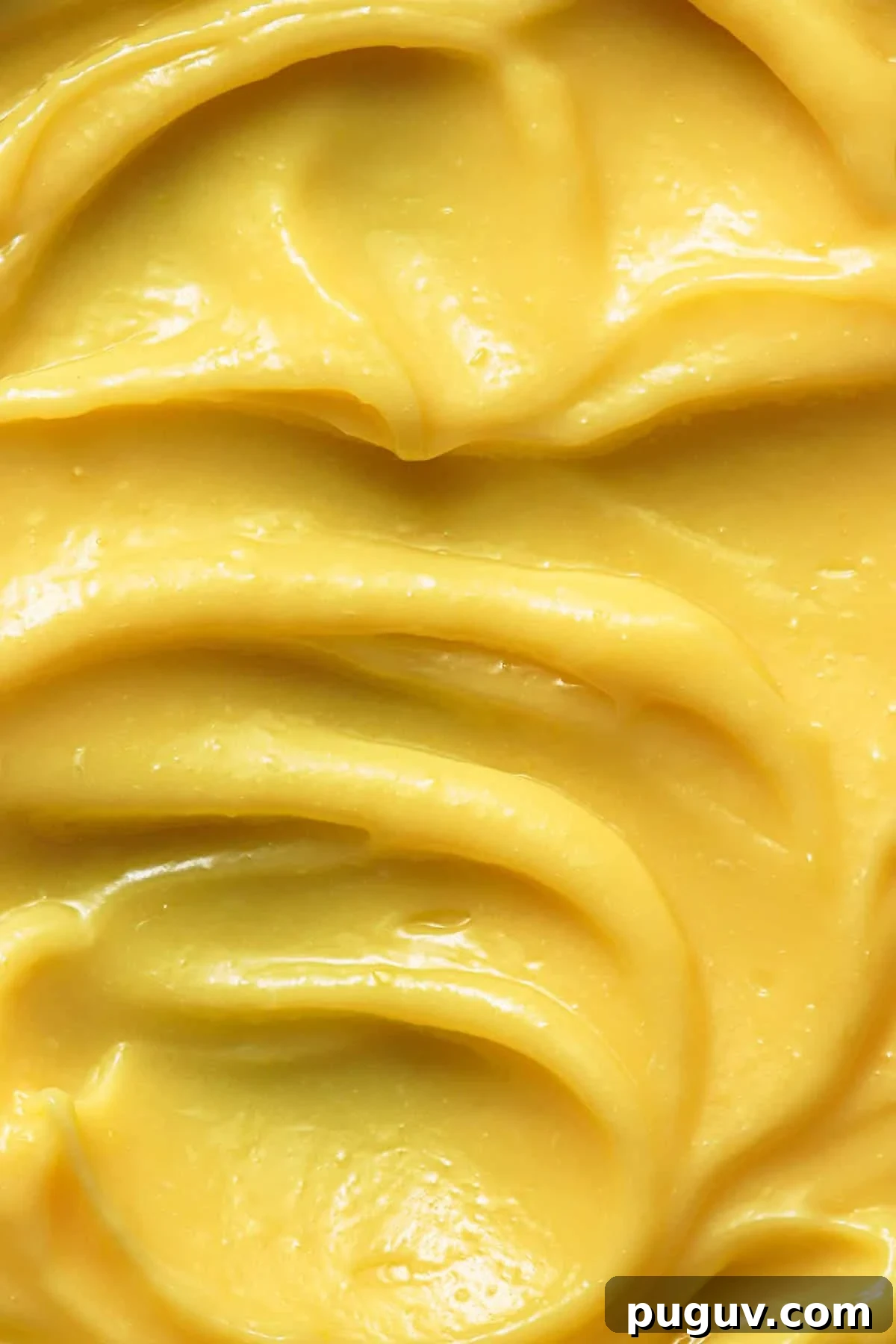

Homemade Lemon Curd | Four Ingredients
15 minutes
0.75 Cup
Dikla Levy Frances
Ingredients
- 1/2 Cup (100g) Sugar
- 1 Tablespoon Fresh lemon zest (about 2 medium lemons)
- 1 Large Egg at room temperature
- 2 Large Egg yolks at room temperature
- 1/2 Cup (120ml) Freshly squeezed lemon juice
- 6 Tablespoons (85g) Unsalted butter, cut into small pieces
Instructions
-
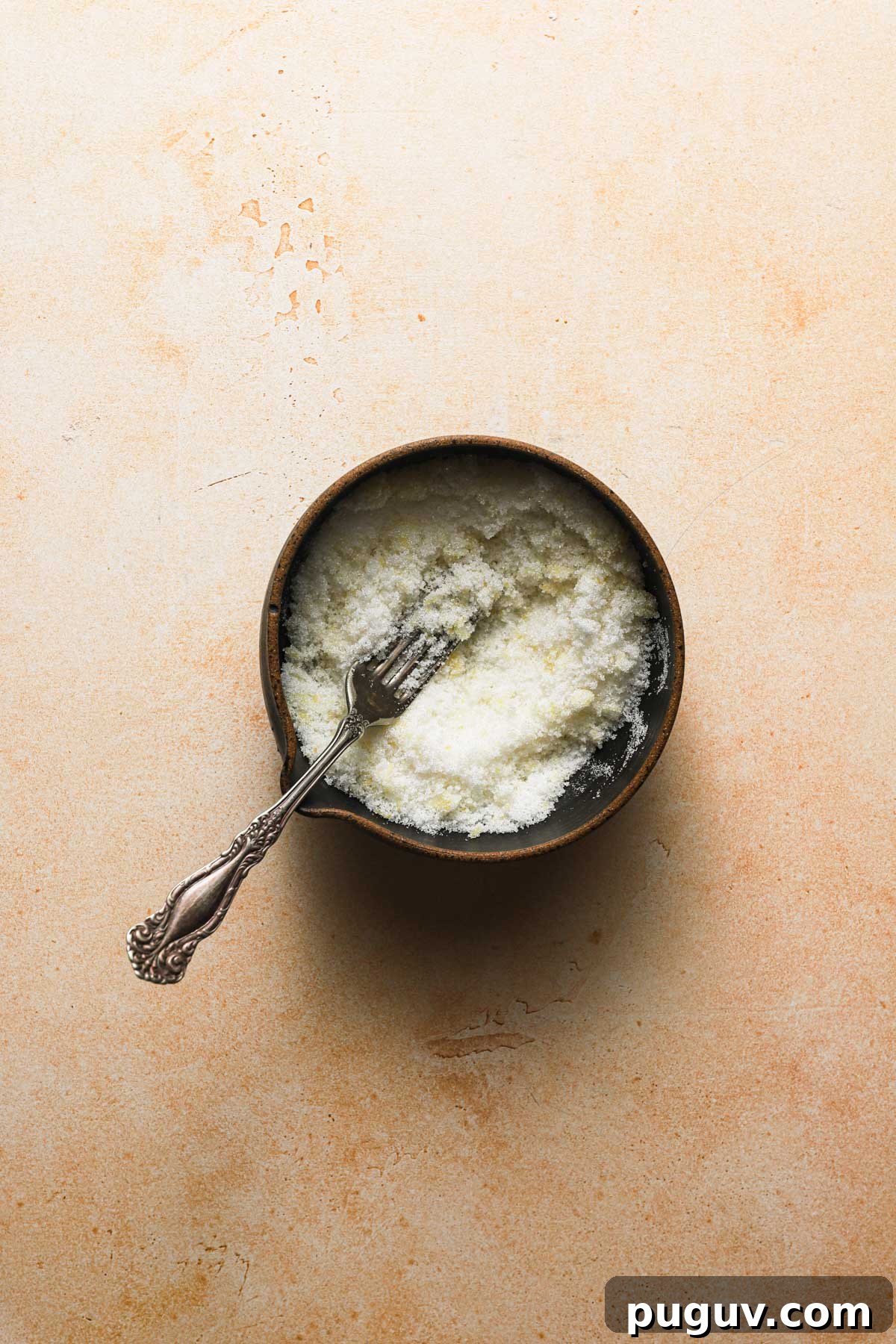
Rub the lemon zest into the sugar until the mixture smells bright and slightly yellow.
-
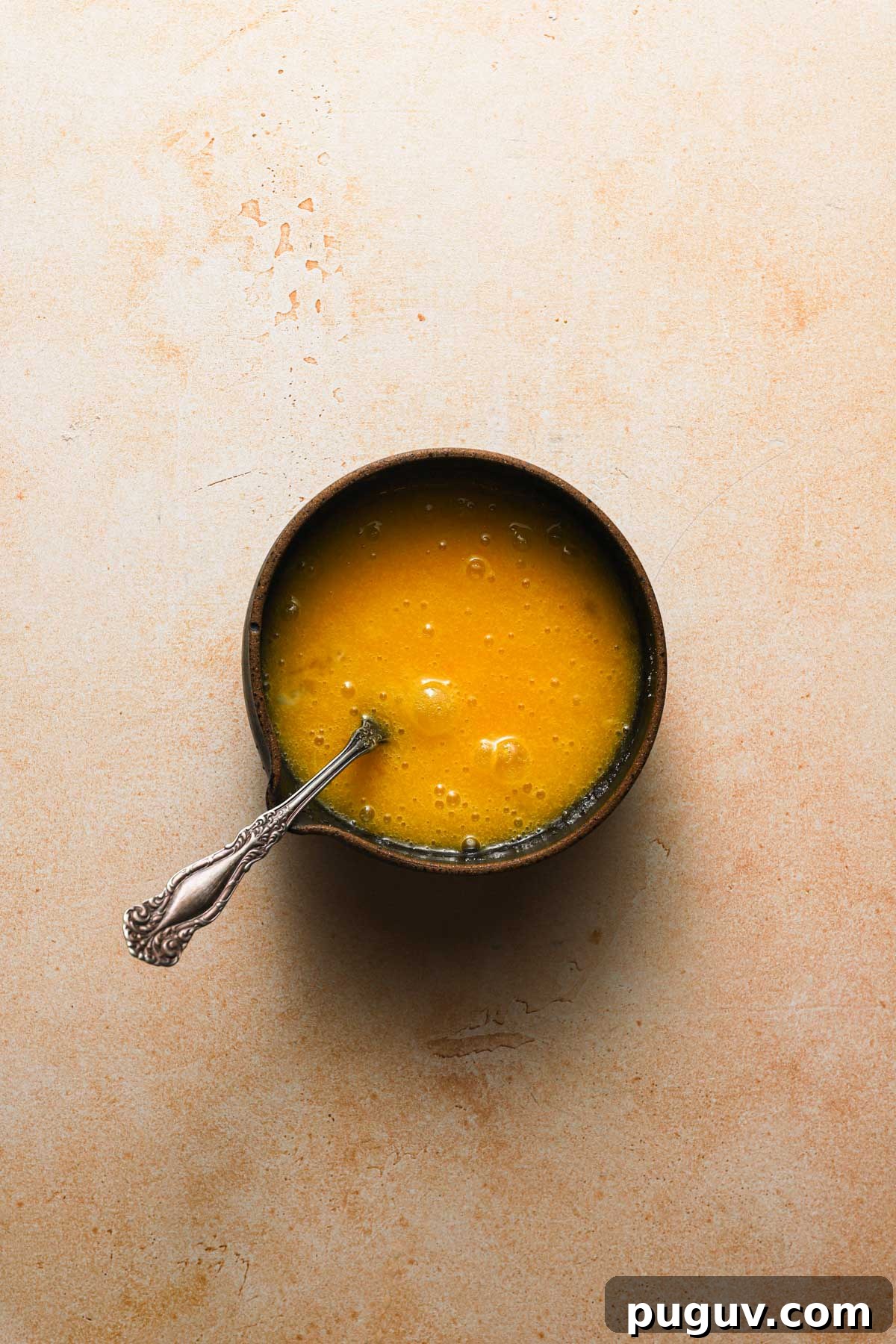
Whisk in the whole egg and the egg yolks until smooth.
-
Add the lemon juice and combine thoroughly.
-
Transfer the mixture to a medium saucepan and cook over low to medium-low heat, stirring constantly, until it thickly coats a wooden spoon and holds a line when you swipe your finger across the back of the spoon.
-
Pass the curd through a fine sieve into a bowl to remove any bits and ensure a silky texture.
-
Stir in the butter pieces until fully melted and incorporated, creating a glossy finish.
-
Let the curd cool, then refrigerate in a sealed container for up to five days or freeze for longer storage.
Notes
- Use vegan butter to make a dairy-free version.
- Refrigerate up to five days. Freeze in an airtight container for up to eight weeks; thaw in the refrigerator overnight.
- Check doneness by testing the back of a spoon—when the curd coats thickly and stays in place, it’s ready.
- Keep the heat low to avoid curdling. For extra protection from direct heat, cook over a double boiler while stirring.
- For a richer, firmer curd, increase the butter by a tablespoon or two.