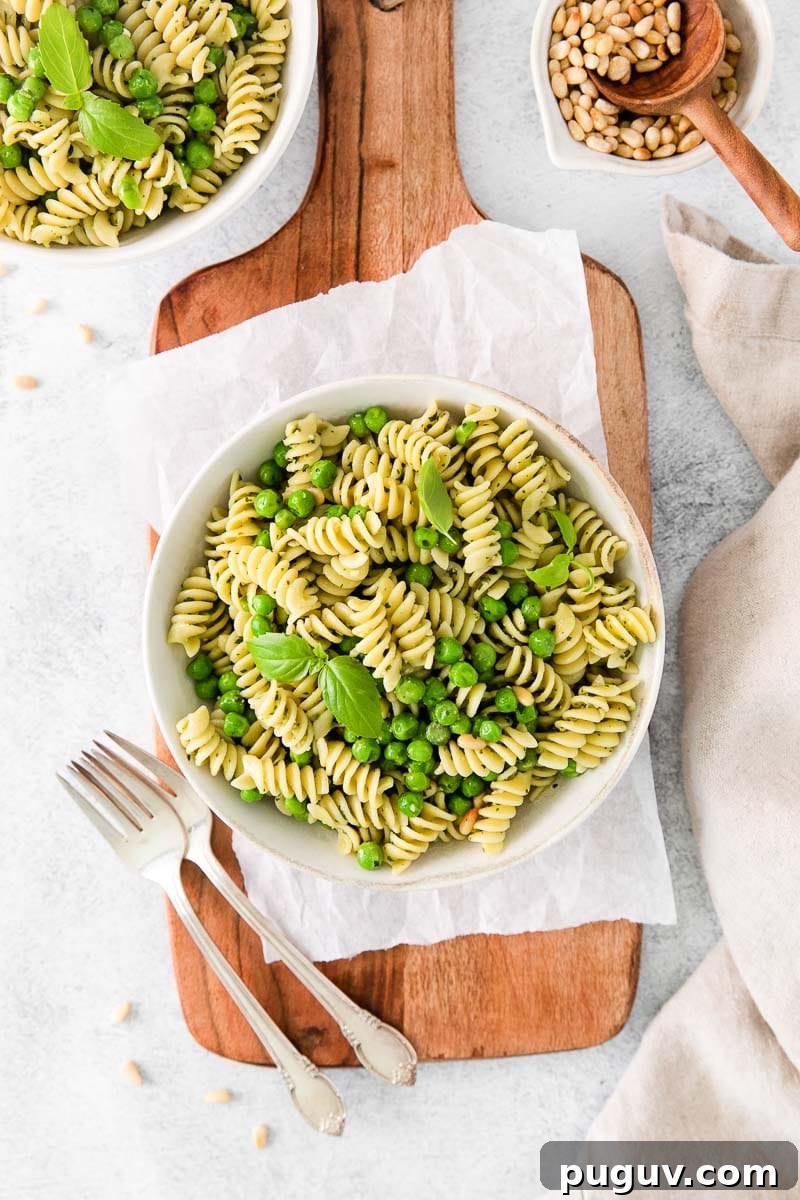
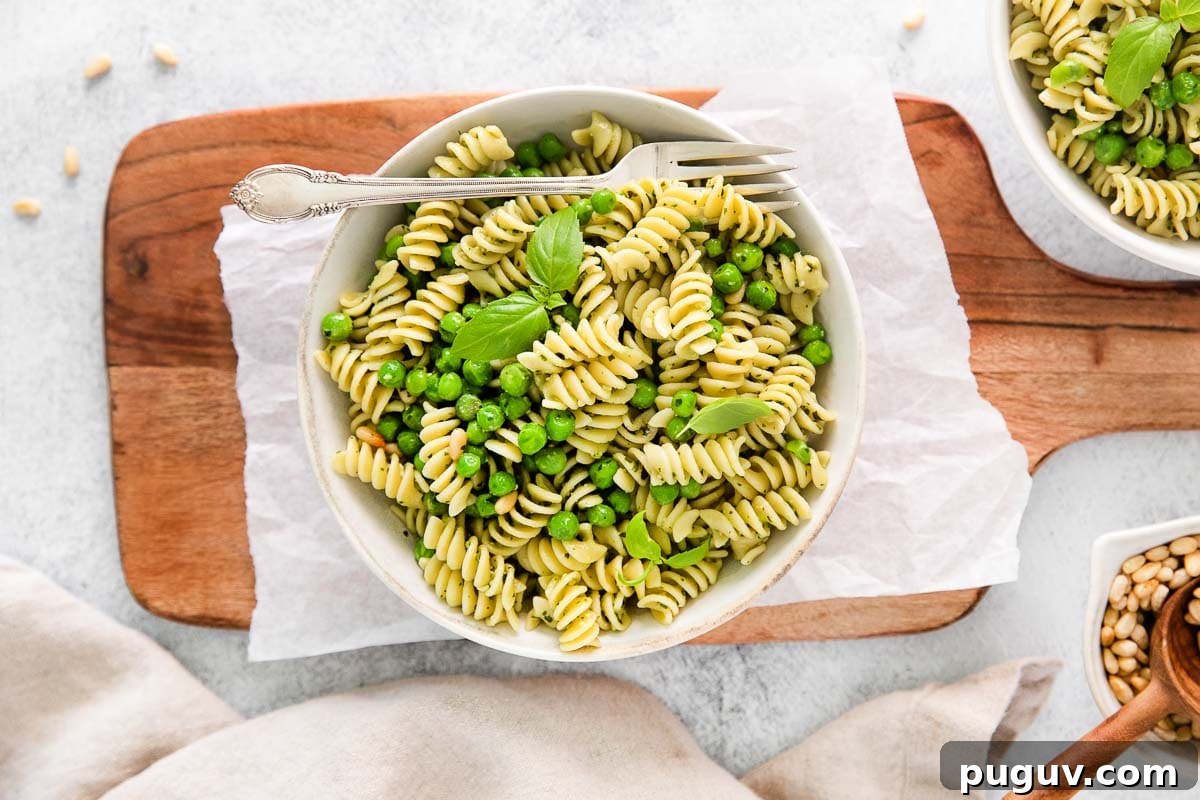
This pasta with peas recipe balances simplicity and fresh flavor for an ideal weeknight dinner. Ready in about 20 minutes, it works equally well served warm as a comforting main or chilled as a bright rotini and pea pasta salad. Tender pasta, sweet peas, and a light basil-parmesan pesto create a vibrant, satisfying dish that’s easy to customize for vegetarian meals, potlucks, or meal prep. A final sprinkle of Parmesan adds savory richness, while toasted pine nuts provide a pleasant crunch.
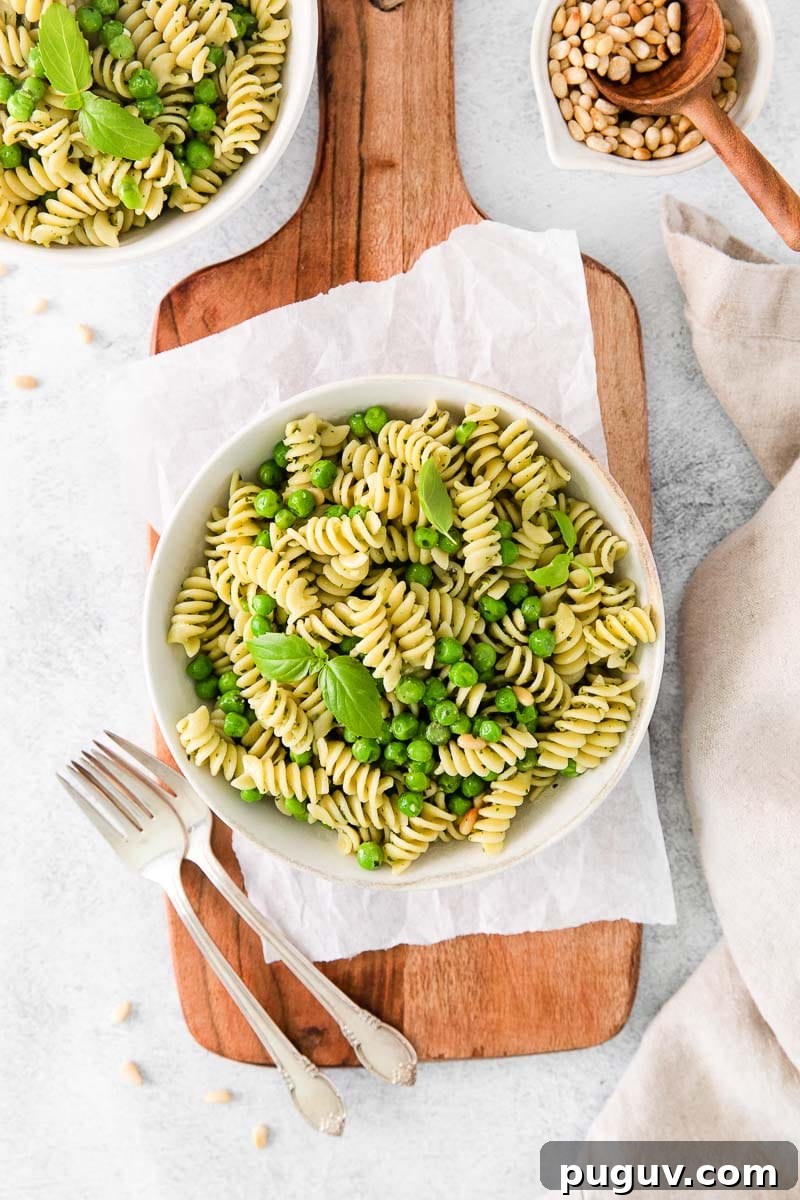
Cooking with seasonal vegetables brings out the best flavor in simple recipes. This pasta highlights sweet spring peas and fresh basil, turning pantry staples into a bright, flavorful meal in minutes. The pesto is quick to make and can be adapted—swap nuts, use a different hard cheese, or choose a vegan alternative if needed.
The recipe is forgiving: use frozen peas when fresh aren’t available, select any small pasta shape that holds sauce, and adjust seasoning and add-ins to taste. Whether you’re after a light vegetarian dinner or a pasta salad for a gathering, this dish hits the mark.
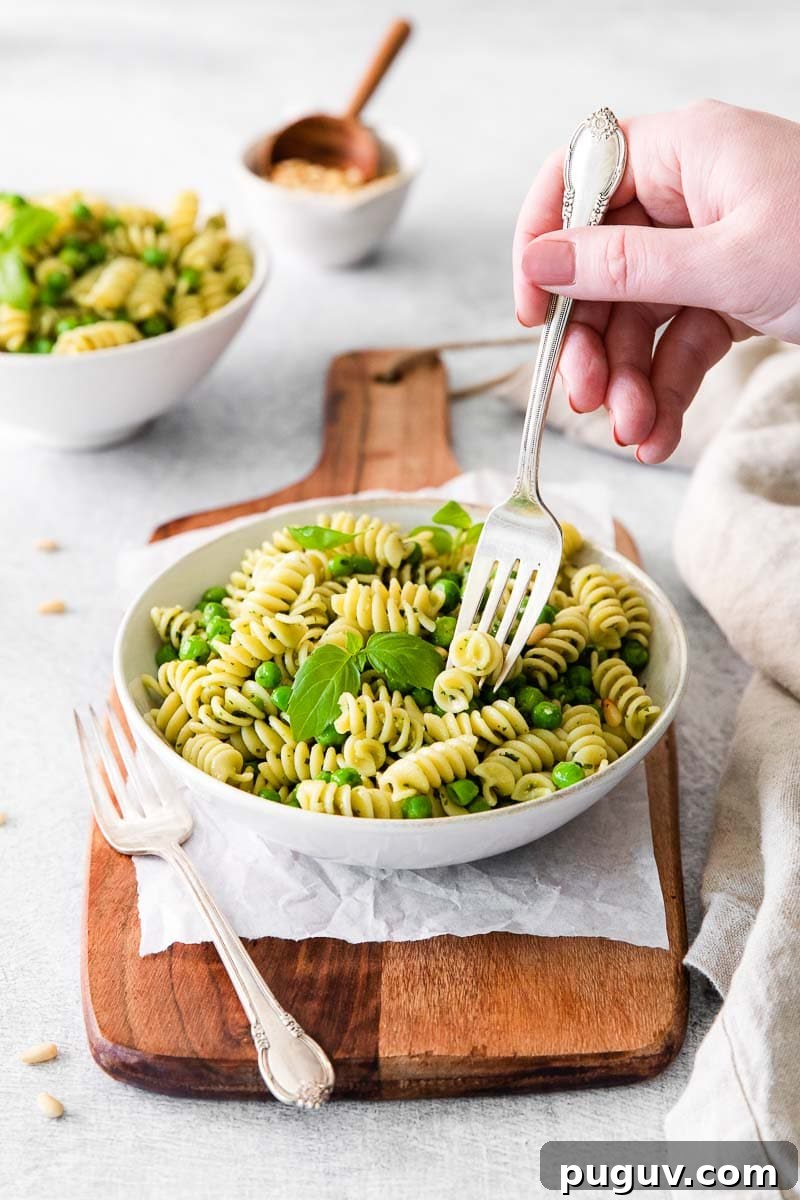
Content Covered Here
Why We Love This Pasta with Peas Recipe
- Adaptable and versatile. Use the pesto as a dressing, stir it into bread dough, or toss it with other vegetables for variety.
- Great for meal prep. Ready in about 20 minutes and stores well in the refrigerator for a few days, making lunches and quick dinners easy.
- Delicious warm or cold. Enjoy it as a light entrée or add protein like roasted chicken for a heartier meal.
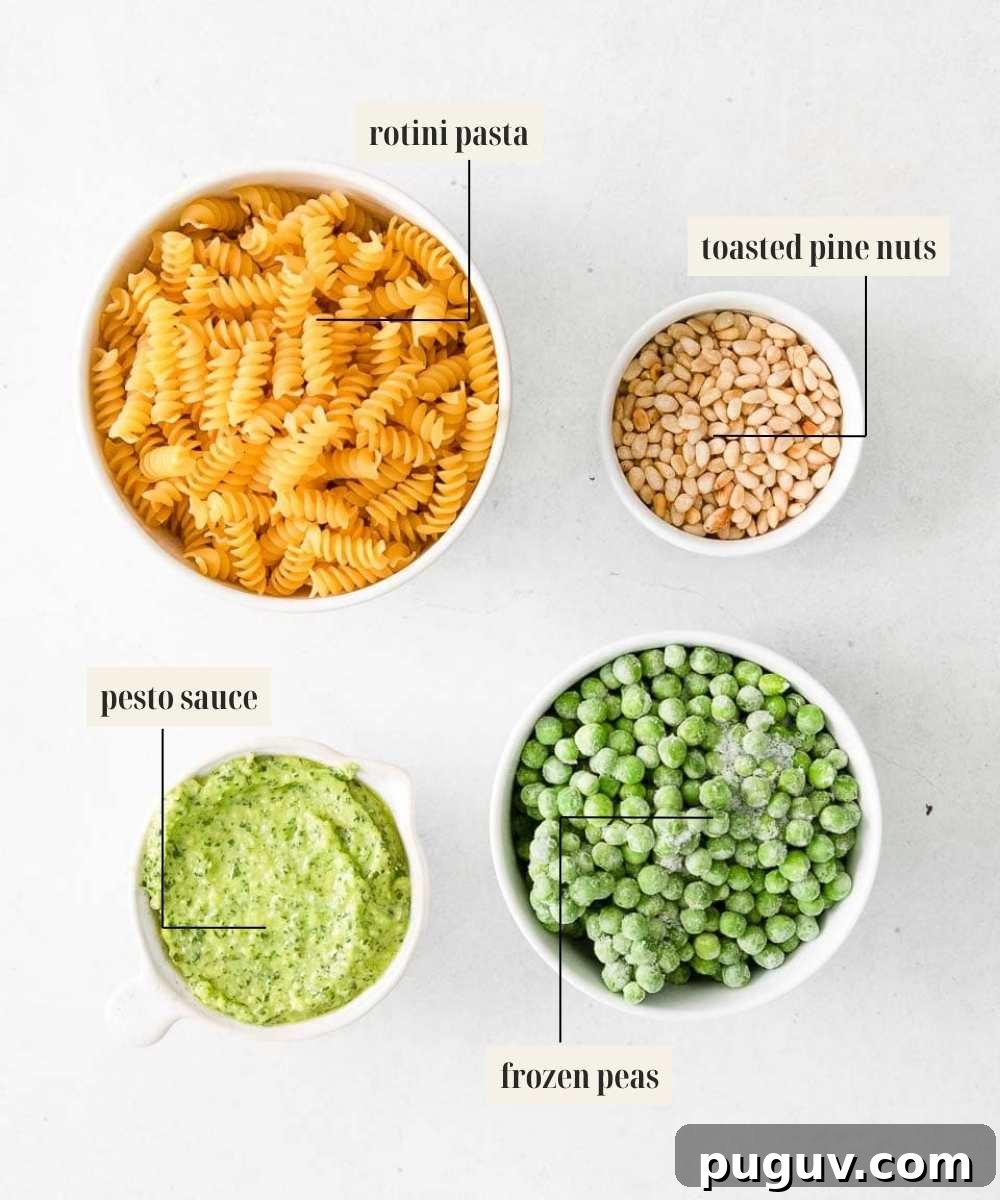
Ingredient Notes and Substitutions
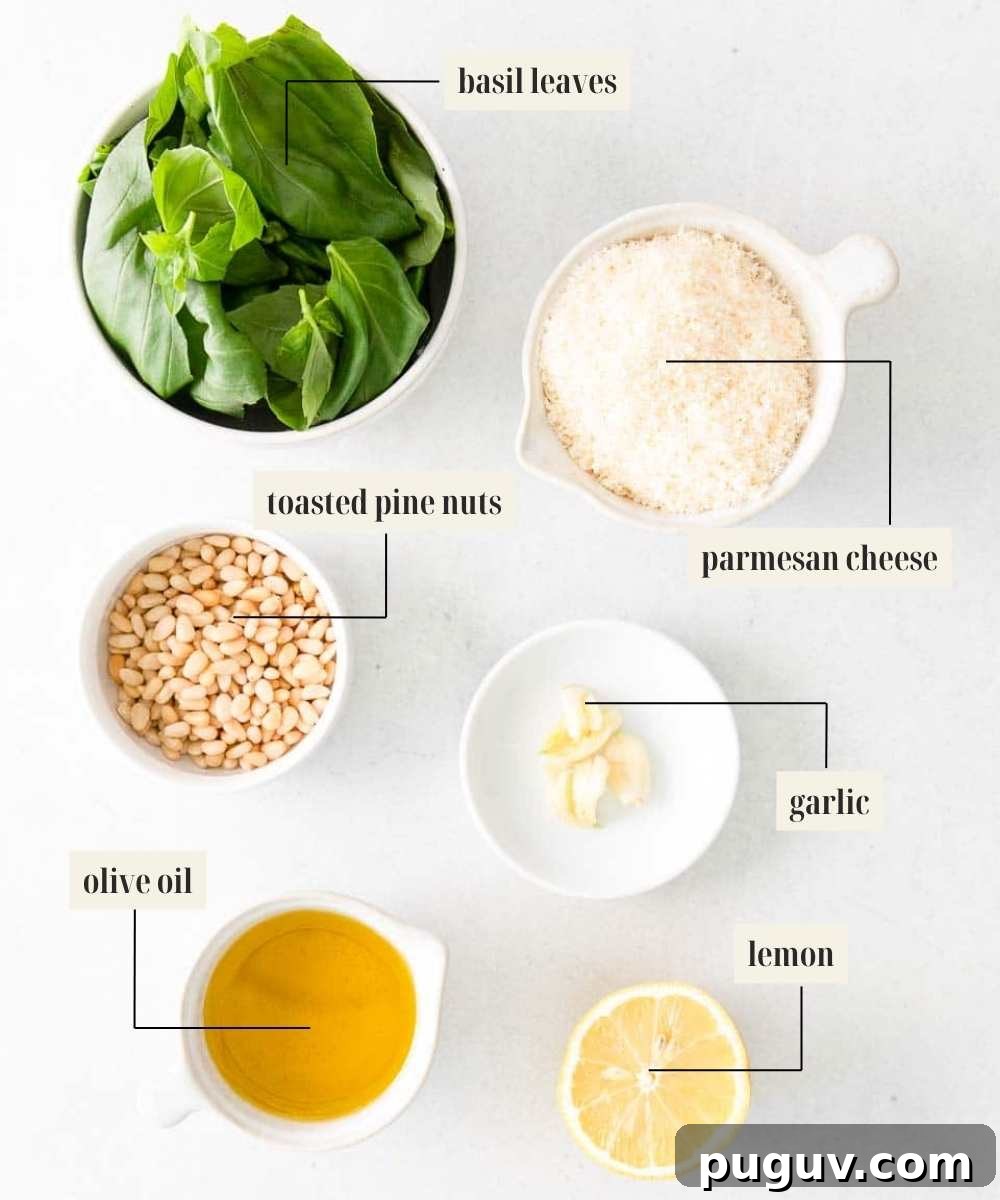
For the pesto:
- Pine nuts: Toasted pine nuts are traditional and add crunch. If they’re expensive or unavailable, use chopped walnuts, almonds, or sunflower seeds.
- Garlic: Fresh garlic gives the best flavor; garlic paste works in a pinch.
- Lemon juice: Fresh lemon brightens the pesto. If you must substitute, a splash of white wine vinegar or lime juice can work.
- Fresh basil: Use vibrant, green leaves for the best aroma and color.
- Parmesan: Grated Parmesan or Pecorino adds savory depth; nutritional yeast or non-dairy cheese makes a vegan option.
- Olive oil: Extra-virgin olive oil yields the richest flavor.
For the pasta:
- Pasta shape: Rotini is ideal because its twists hold the pesto, but small shapes like rigatoni, bowties, or ditalini work well.
- Peas: Frozen peas are a convenient substitute for fresh and are added during the final minutes of cooking.
- Garnish: Toasted pine nuts or chopped nuts add texture; a sprinkle of extra cheese finishes the dish.
Recipe Variations
- Gluten-free: Use your favorite gluten-free pasta to make the dish wheat-free.
- Creamy: Stir in a splash of heavy cream or blend some peas with cream to create a silky sauce.
- Spicy: Add red pepper flakes for a bit of heat.
- Meaty upgrade: Stir in crispy bacon or pancetta for a smoky contrast.
- Flavor boost: Sautéed onion and extra garlic add depth before combining with the pesto.
Equipment Used in this Recipe
- Food processor (for pesto)
- Large saucepan (for cooking pasta)
- Colander
- Large serving bowl
How to Make Pasta with Peas and Parmesan
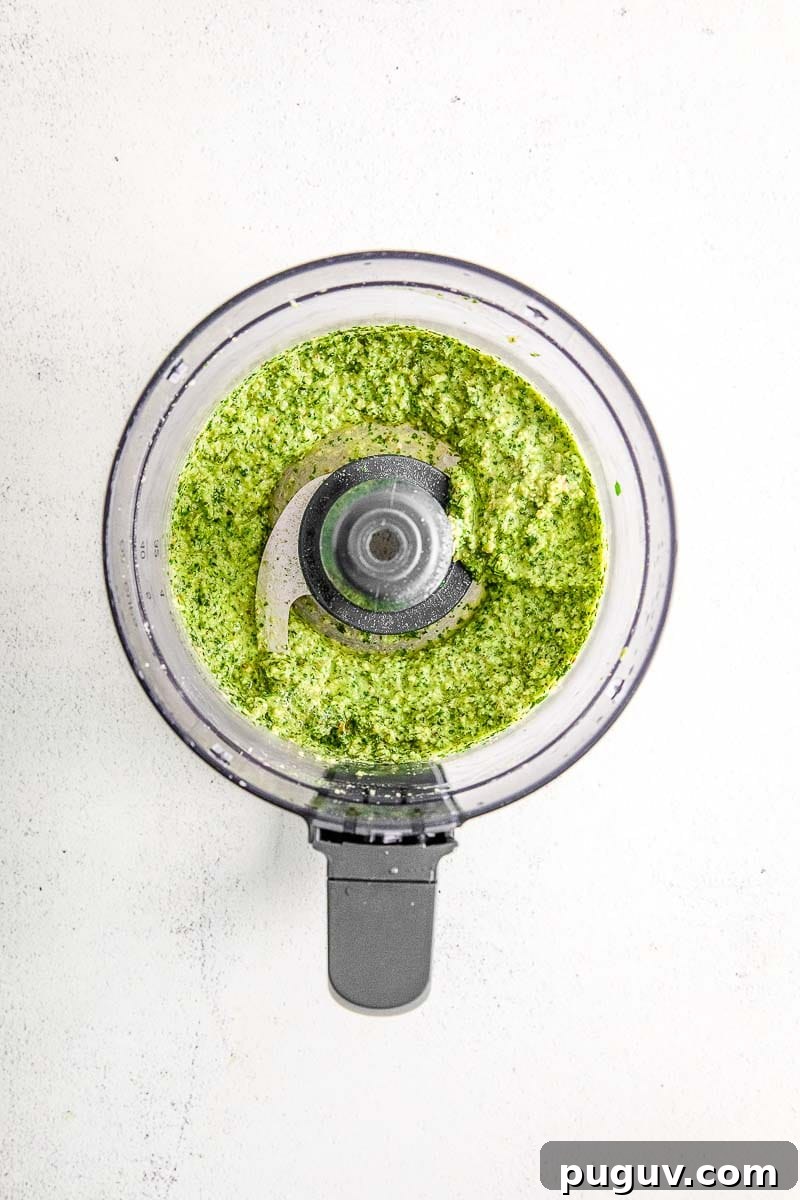
Making the pesto is quick but benefits from a few technique notes to get the right texture and flavor.
- Rinse basil briefly and dry it. Remove dirt with a quick rinse, then pat dry. Avoid soaking to prevent excess water in the pesto.
- Pulse, don’t over-process. Add basil and Parmesan to the food processor and pulse until the basil is chopped but still has texture.
- Add oil slowly to form an emulsion. With the processor running, drizzle in olive oil slowly so the basil and oil bind into a smooth, cohesive pesto.
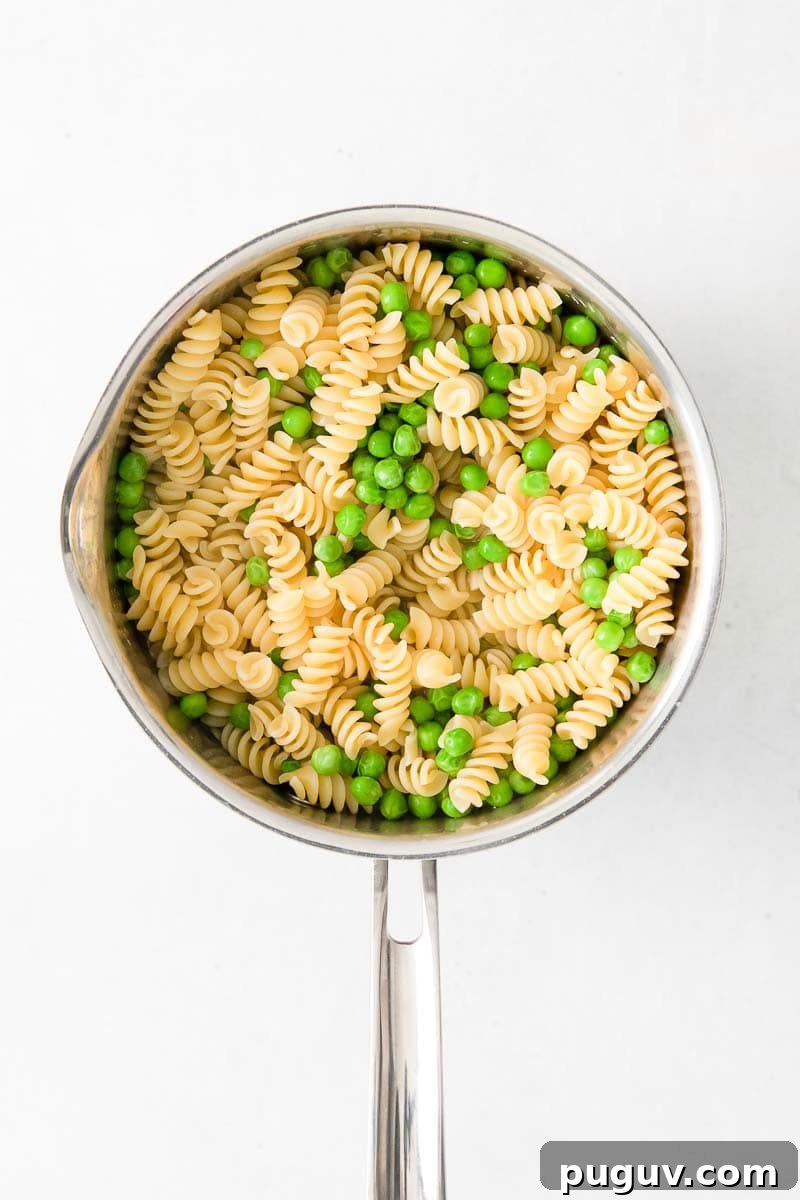
- Cook pasta to al dente. Follow package directions and cook for about one minute less than the suggested time, then add peas during the last 1–2 minutes.
- Reserve pasta water. Save about 1 cup before draining. Combine the pesto with 1/4 cup of pasta water, whisk, then toss with the pasta and peas. Add more pasta water if needed to loosen the sauce.
- Toast pine nuts. Toast them in a dry skillet over medium heat until fragrant for extra flavor and crunch.
🎯 Pro Tip
To create a stable emulsion, drizzle the olive oil in slowly while the food processor runs.
🎯 Time Saving Tip
Add frozen peas directly to the pot with the pasta for the last 2–3 minutes of cooking to save time and dishes.
Serving Suggestions
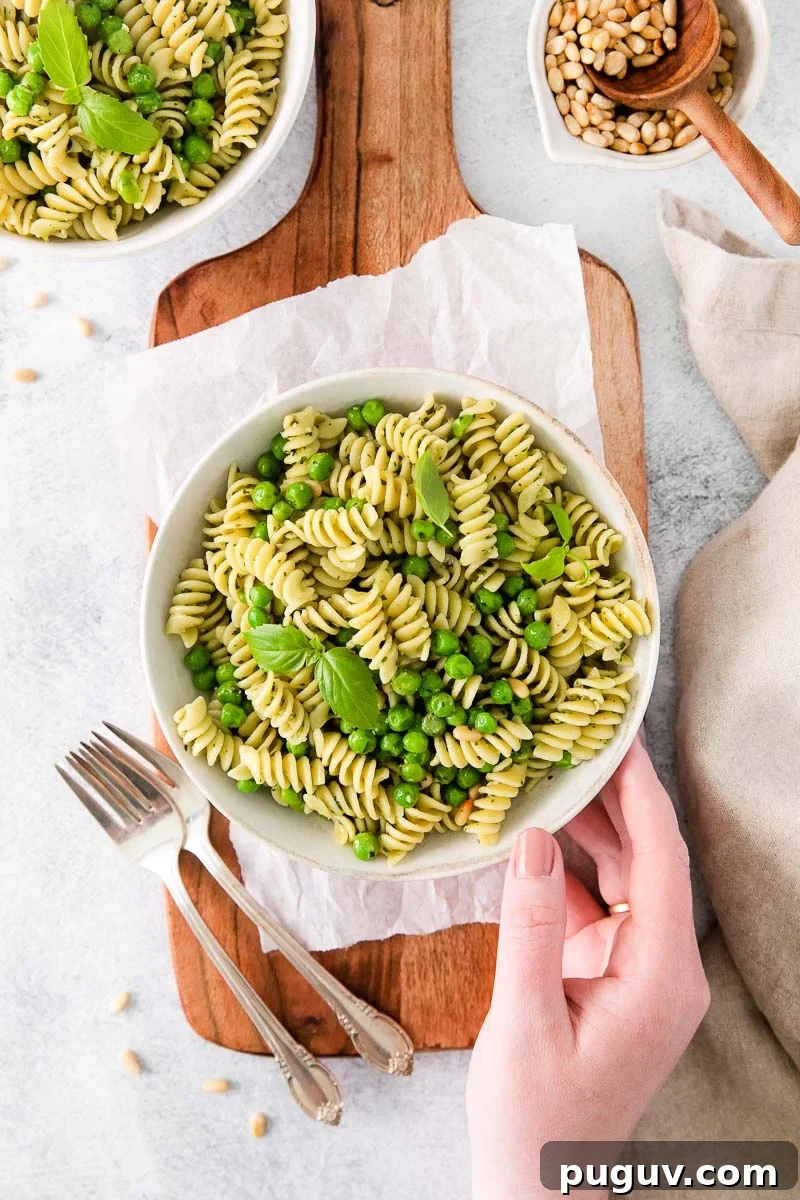
Hot: Serve warm as a quick main course with crusty bread or rolls. The heat enhances the creaminess of the cheese and the aroma of the pesto.
Cold: Chill for a refreshing pasta salad—add cherry tomatoes and mozzarella for extra color and texture. It’s great for potlucks, picnics, or packed lunches.
Need other pasta ideas? Try a hearty pasta with meat sauce for a different weeknight favorite.
Recipe FAQs
Yes. Peas offer fiber, vitamins, and antioxidants. Choose whole-grain pasta for added fiber and nutrients if you want a healthier version.
Store leftover pasta in an airtight container in the refrigerator for up to three days. Toss with a little olive oil to prevent sticking.
Reheat in a skillet over low heat with a splash of water or broth, or microwave in short intervals, stirring between heats to restore moisture.
Add lemon zest, extra garlic, red pepper flakes, or mix in crispy bacon or pancetta. A drizzle of extra pesto before serving also boosts flavor.
Love pesto? This basic basil pesto pairs well with chicken, bread, and many pasta dishes—use it as a foundation for other recipes or dressings.
- Instant Pot pesto chicken variations are great for weeknights.
- Twisty pesto bread makes a flavorful appetizer.
If you make this pasta with peas, consider leaving a rating and a brief comment about what you changed or enjoyed.
Quick Pasta with Peas
Renae Gerhardstein
Ingredients
For the Pesto
- ¼ cup toasted pine nuts
- 2 cloves garlic (or 1 tsp garlic paste)
- ½ large lemon, juiced
- 2 cups fresh basil leaves, tightly packed
- ½ cup shredded Parmesan (or Pecorino)
- ⅓ cup extra virgin olive oil
For the Pasta
- 16 ounces rotini (or rigatoni, bowtie, or other small pasta)
- 2 cups frozen peas
Garnish
- ¼ cup toasted pine nuts (optional)
Instructions
For the Pesto
- Combine pine nuts, garlic, and lemon juice in a food processor and pulse until broken into small pieces.
- Add basil and Parmesan and pulse until roughly chopped.
- With the processor on low, slowly add olive oil until smooth. Season with salt and pepper to taste. Set aside.
For the Pasta
- Bring a large pot of salted water to a boil. Add pasta and cook about 1 minute less than al dente.
- Add peas for the last minute or two of cooking. Reserve 1 cup of pasta water, then drain pasta and peas.
- Whisk pesto with ¼ cup of pasta water in a large bowl. Add pasta and peas and toss to combine; add more pasta water if needed. Season with salt and pepper.
- Garnish with toasted pine nuts and serve warm or chilled. Store leftovers in an airtight container in the fridge for up to three days.
Notes
- Toast raw pine nuts in a dry skillet over medium heat for 2–3 minutes, tossing, until fragrant.
- Frozen peas are a convenient shortcut; fresh peas work when in season.
- Keep the olive oil drizzle slow when emulsifying the pesto to ensure a smooth sauce.
- Add peas to the pot with pasta to save time and dishes.
Storage & Reheating:
- Refrigerate leftovers in an airtight container for up to three days. Toss with a bit of olive oil before storing to prevent sticking.
- Reheat gently in a skillet with a splash of water or broth, or microwave in short intervals, stirring between heats.