It’s upsetting to watch beloved houseplants suffer from pest infestations, and it can be hard to know where to start. Indoor plants are often more vulnerable to pests in winter when they enter a dormant state and become stressed by issues like overwatering, low light, fluctuating temperatures, or root rot. Stressed plants are more attractive to insects, so prioritizing proper care helps reduce infestations.
A healthy plant is a resilient plant. After checking and correcting the specific care needs of your plants, the next step is identifying the pests and taking targeted action to eliminate them.
Kill Houseplant Bugs With These Foolproof Methods
The most common houseplant pests:
Aphids — often found in flower buds or new growth; they appear as small brown, green, or red specks;
Gnats — usually hover around soil and stems and resemble tiny fruit flies;
Mealybugs — white, cottony-looking dots along leaves and stems that leave sticky residue;
Scale — look like flat brown scabs or dots on leaves and stems and often leave sticky goo;
Spider mites — tiny freckle-sized arachnids; you may notice fine webs or clusters on the undersides of leaves.
Once you know which pest you’re facing, try one of the following effective, gardener-recommended home remedies. Always test a spray on one or two leaves and observe for 2–3 days to ensure the plant tolerates the treatment. Keep treated plants out of direct sunlight to prevent leaf burn and isolate infested plants from healthy ones to avoid spreading pests.
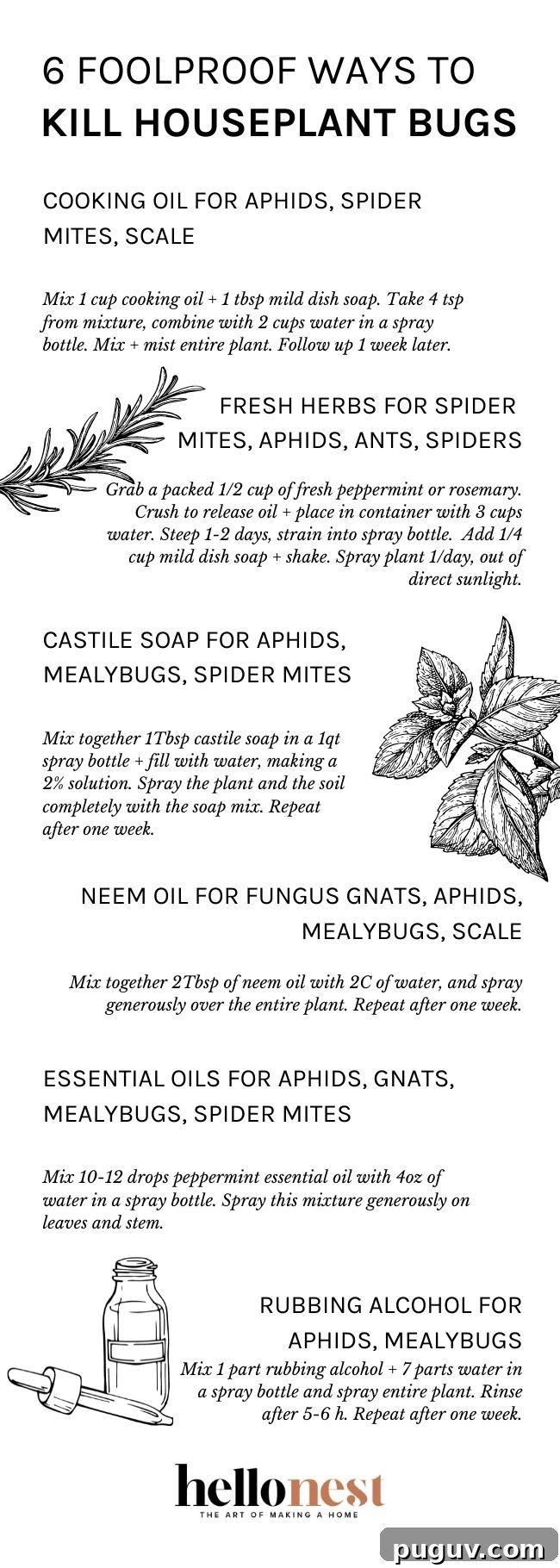
1. Cooking oil to kill houseplants bugs
Good for: aphids, spider mites, scale
Make an easy oil-based spray using common kitchen ingredients. In a jar combine 1 cup of cooking oil (canola, olive, etc.) with 1 tablespoon mild dish soap. From that mixture, take 4 teaspoons and add to 2 cups of water in a spray bottle. Shake well and mist the entire plant, including undersides of leaves. Repeat after a week if needed; several treatments may be required to fully remove pests.
2. Fresh herbs that kill houseplant bugs
Good for: spider mites, aphids, other pests (ants and spiders)
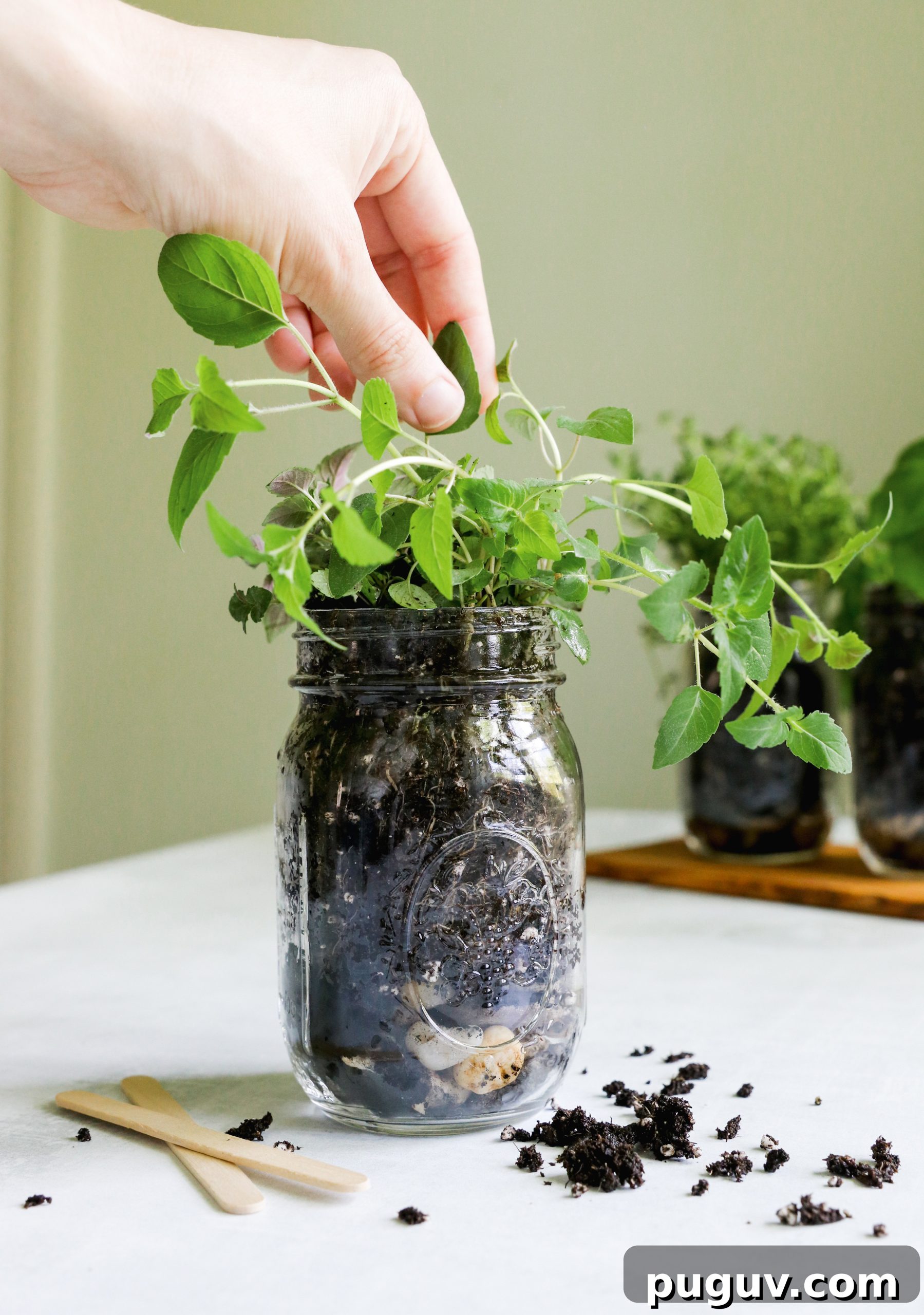
Steep fresh aromatic herbs to harness their natural repellant oils. Pack 1/2 cup of fresh peppermint and rosemary, crush them, and place in 3 cups of water. Let steep for 24–48 hours, then strain into a spray bottle. Add 1/4 teaspoon mild dish soap, shake, and apply to plants. This mild spray can be used daily while treating plants, but avoid direct sunlight after application.
3. Castile soap
Good for: aphids, mealybugs, spider mites
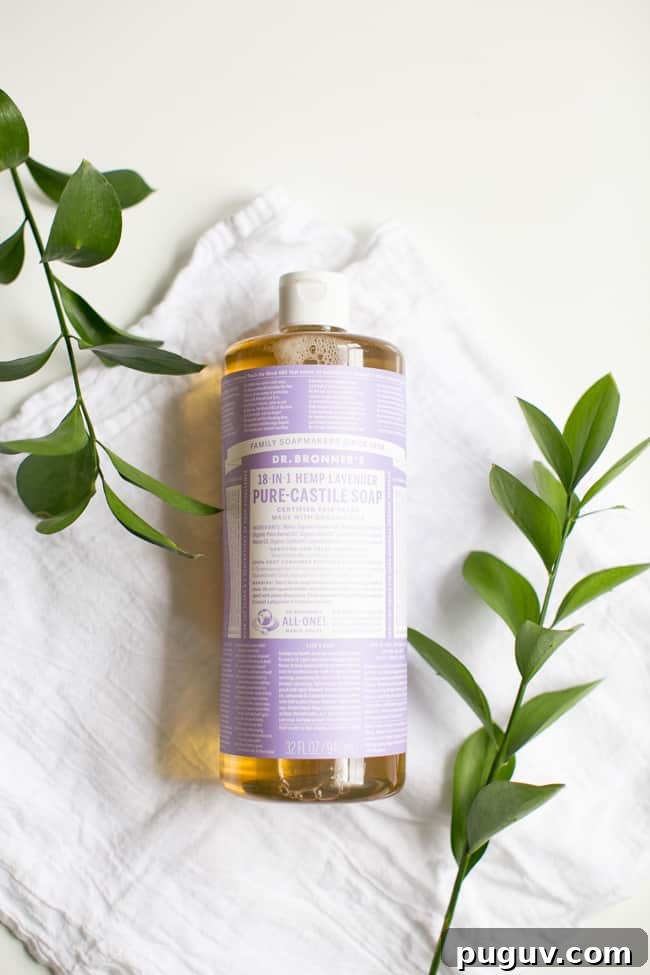
Insecticidal soap sprays are affordable and effective. Make a roughly 2% solution by mixing 1 tablespoon Castile soap in a quart (about 1 liter) of water. Spray the plant and the soil thoroughly, targeting undersides of leaves and crevices. Wait a week before repeating. If you notice a waxy soap buildup on foliage, rinse the plant well before reapplying.
4. Neem oil
Good for: fungus gnats, aphids, mealybugs, scale
Neem oil is a widely recommended natural insecticide that targets pests while being safe for beneficial insects, humans, and pets when used properly. Mix 2 tablespoons neem oil with 2 cups of water and spray the entire plant thoroughly. For soil infestations, soak the soil with a dilution of 1 teaspoon neem oil in 2 cups of water. Allow a week between applications and avoid fertilizing until pests are gone.
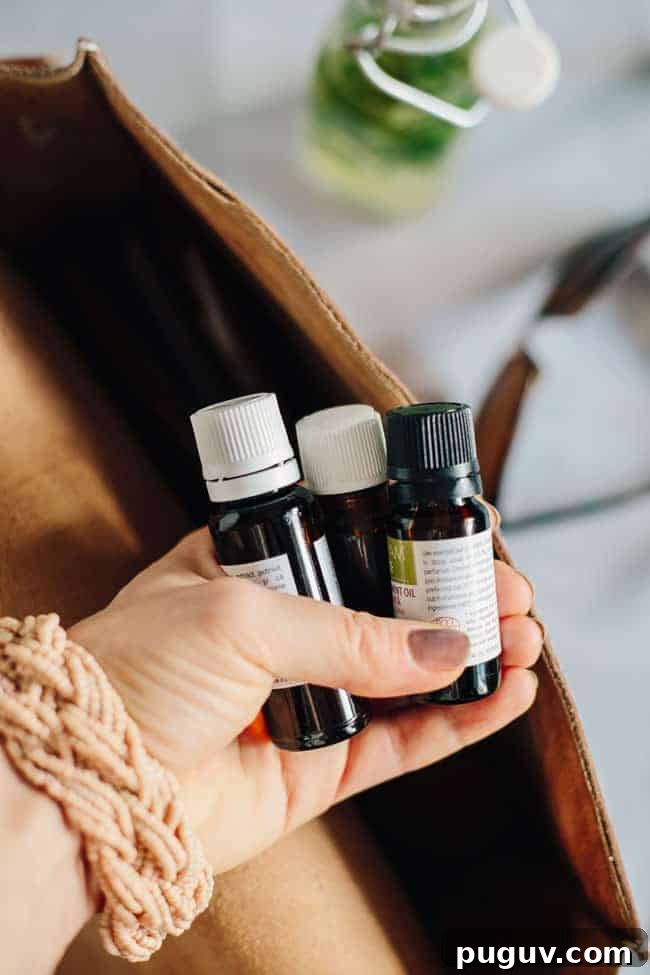
5. Essential oils that kill houseplant bugs
Good for: aphids, gnats, mealybugs, spider mites
Create a light essential oil spray by combining 10–12 drops of essential oil with 4 ounces (about 120 ml) of water. Options include 10 drops of peppermint oil or a blend of 3 drops each of clove, peppermint, rosemary, and thyme. Shake before use and spray stems and leaves to deter pests. Test first and avoid placing treated plants in direct sunlight.
6. Rubbing alcohol
Good for: aphids, mealybugs, and other resistant pests
For stubborn infestations, try a diluted rubbing alcohol treatment. Mix 1 part rubbing alcohol with 7 parts water in a spray bottle, spray the whole plant, and let it sit for 5–6 hours before rinsing the foliage thoroughly. Repeat after a week if necessary, and be cautious with sensitive plant varieties—always test on a small area first.
Rules of Thumb
Keep these practical tips in mind to prevent future problems: inspect new potting soil before using it and check for signs of pests; quarantine new plants for several days to ensure they aren’t carrying insects; and rinse leaves, stems, and soil before bringing plants indoors after outdoor exposure. Watch for yellowing leaves, cottony webs, sticky residues, or a sweet “honeydew” odor—these signs often indicate pest activity even before you see the insects themselves. With consistent care and a few simple remedies, you can restore plant health and keep pests under control.