
For an in-depth discussion on how I use these 10 ingredients, be sure to check out the YouTube video!
1. Sweet Potatoes
Bake whole sweet potatoes for an easy, versatile base. Pierce unpeeled, washed sweet potatoes and roast at 400–425°F (204–218°C) for 45–60 minutes, until tender and buttery inside.
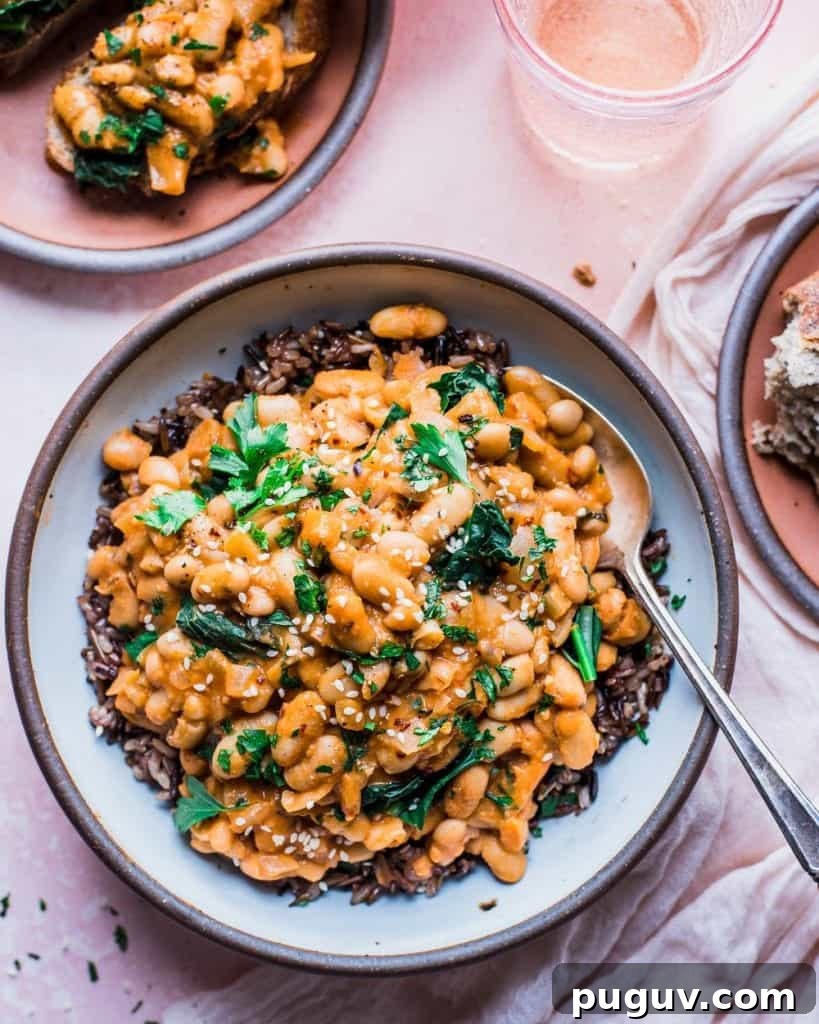
For lunch or dinner, scoop out the flesh and stuff the potatoes with chickpeas, lentils, sauerkraut, avocado, hummus, or sautéed vegetables. For breakfast, top a baked sweet potato with nut butter, jam, and fresh fruit, or blend cooked sweet potato into smoothies for natural sweetness.


Sweet potatoes also shine in curries and stews, and they become extra tender in a pressure cooker. Their sweetness and texture enrich savory dishes, and they pair beautifully with spices, legumes, and coconut-based sauces.

2. Kale
Massage kale with lemon juice or olive oil to soften the leaves, then toss with a simple vinaigrette or tahini dressing for a satisfying salad. Kale also works well in grain bowls, soups, pastas, and stews where it adds color and nutrients.
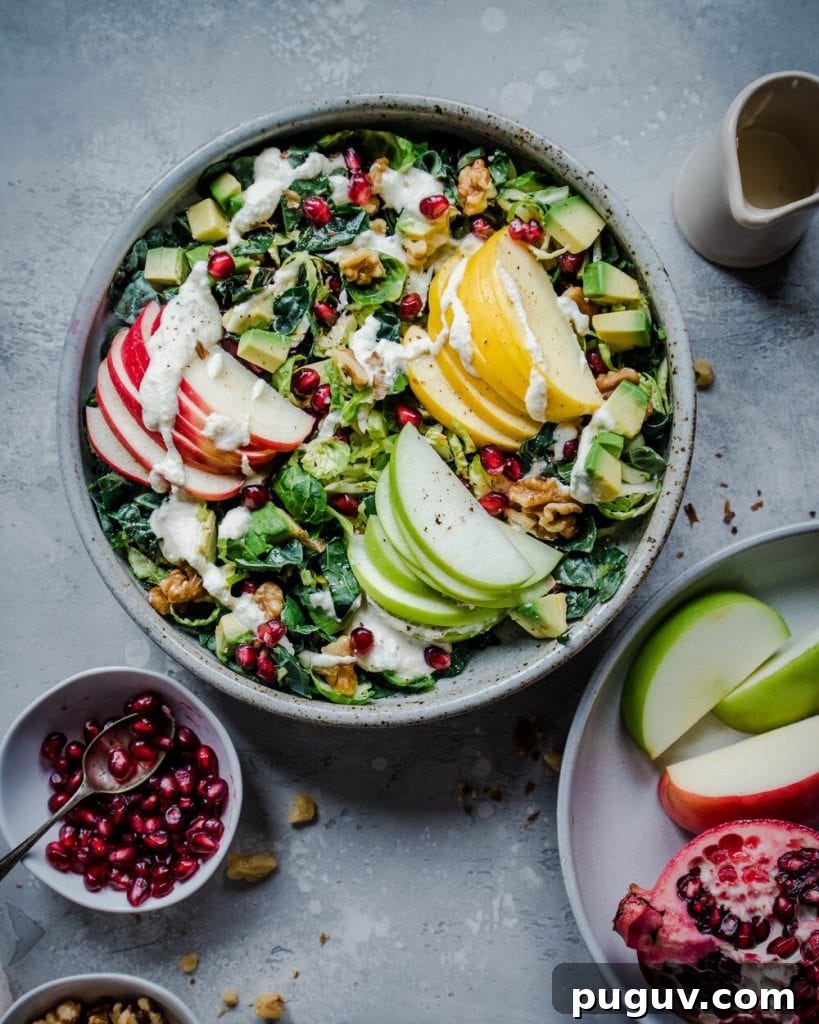
Try kale in morning smoothies for a green boost, or roast it into crispy kale chips as a healthy snack. It’s a dependable way to increase your vegetable intake without much fuss.
3. Avocados
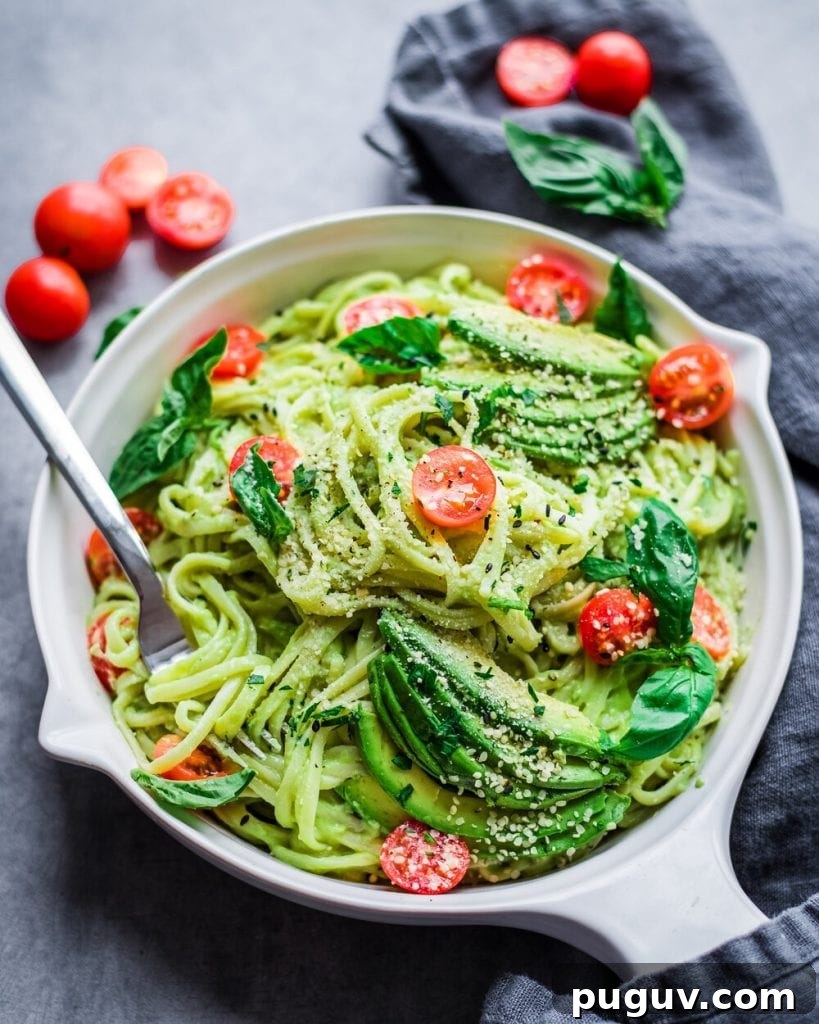
Avocado adds creaminess and keeps you feeling full. Use half an avocado to bulk up salads and grain bowls, mash it for toast or sandwiches, or blend it into dressings and sauces for extra richness.
To ripen avocados quickly, place them in a brown paper bag with a banana. When choosing a ripe fruit, remove the stem and look for green flesh beneath.
Avocado also makes an excellent base for creamy pasta, and it creates silky smoothies when blended with plant milk and fruit.
4. Almond Butter
Almond butter is great on toast topped with banana, apples, or berries. Add any nut butter to smoothies for healthy fats and lasting fullness, or swap it for oil in cookie and brownie recipes for extra flavor and texture.

5. Hummus
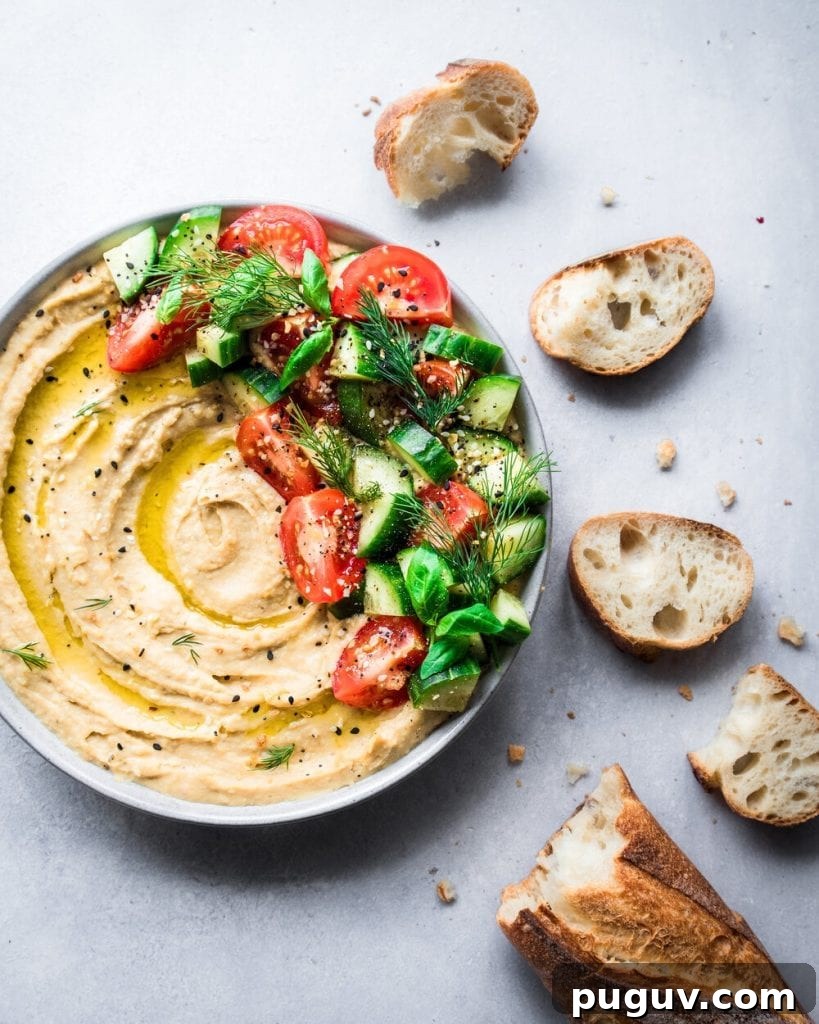
Hummus is a versatile, protein-rich spread: scoop it onto pita, dollop it over salads and grain bowls, or use it as a sandwich spread instead of mayo. It also makes a creamy, oil-free base for dressings.
Homemade hummus offers the best flavor, but store-bought varieties provide convenience when you’re short on time. Use hummus as a dip for raw vegetables or toasted bread for an easy snack.
6. Lemons
Fresh lemon juice brightens dressings, marinades, and finished dishes. Start the day with warm water and lemon to stimulate digestion, or add lemon slices to a jug of water for a refreshing drink that encourages hydration.
Use lemon zest to lift sauces, pestos, and vegan cheeses, or fold it into baked goods for a lively citrus note.

7. Tahini
Tahini makes a creamy, oil-free dressing when thinned with water, lemon juice, salt, pepper, and a touch of mustard or maple syrup. Drizzle tahini over grain bowls, roasted vegetables, and falafel for richness and depth.
For a simple dessert, combine tahini with raw cacao and maple syrup to form a thick paste and spread it on frozen banana slices. Tahini can also replace oil in many baked goods for a nutty, moist texture.

8. Garlic
Garlic is a foundation for savory cooking—sauté it at the start of many dishes to build flavor. Raw garlic also brightens condiments like gremolata, which pairs well with soups and roasted vegetables.
Roast whole heads of garlic by slicing the top, drizzling with oil, and baking until soft and caramelized; the mellow, sweet cloves mash into potatoes, sauces, or dressings.

9. Beans and Lentils
Cook large batches of beans and lentils in a pressure cooker or on the stove so you always have a reliable source of plant protein. They’re perfect for salads, stews, tacos, and grain bowls throughout the week.
Legumes are extremely adaptable: use chickpeas, black beans, lentils, or split peas to create hearty dishes from curries to shepherd’s pie. Keep a variety on hand for quick, nutritious meals.
10. Plant-Based Milk
Plant milks are indispensable for breakfasts like smoothies, chia puddings, oatmeal, and granola, and they also work in savory recipes such as creamy sauces and curries. Oat milk is my go-to for creaminess and sustainability, while canned coconut milk is ideal for rich, savory cooking.