Updated 1/22/2021
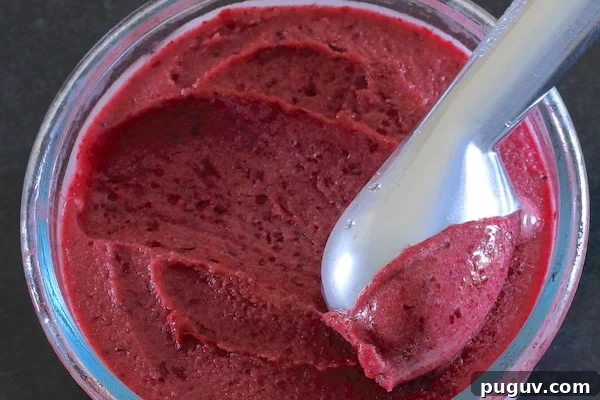
This primer explains how to make creamy sorbet with or without an ice cream maker, and examines the ingredients and techniques that ensure successful results every time. There are even sugar-free sorbet options.
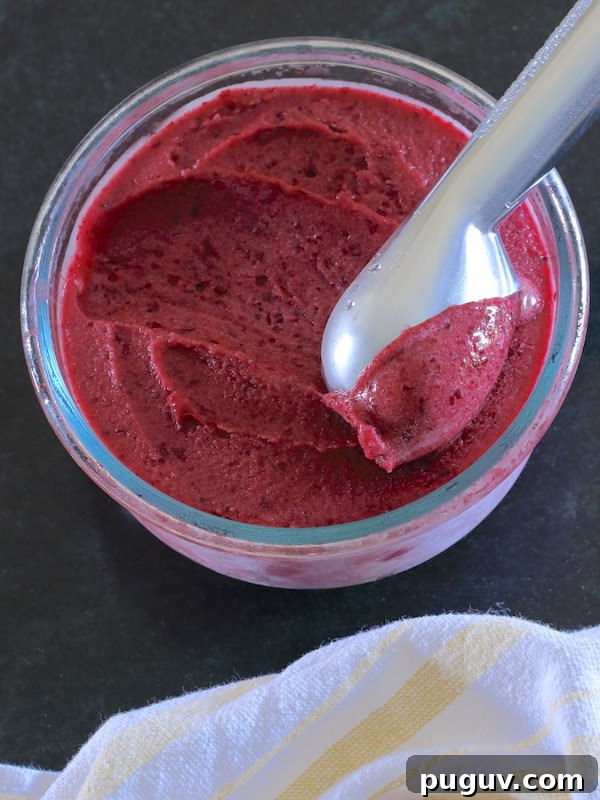
Sorbet offers endless colors and flavors that are especially welcome on hot days. Some varieties are intensely sweet, others are tart, mellow, floral, herbal, spicy, or even savory. There are also adult boozy sorbets for special occasions.
There are several common methods for making sorbet, and each produces slightly different textures. After researching and testing many batches, I distilled the key principles that make a scoopable, freezer-stable sorbet. Below I share those findings and practical instructions for multiple methods.
THE GOLDEN RULES
Too little sweetener will yield an icy sorbet; too much will make it mushy.
Freeze the base quickly and churn or stir while freezing to limit large ice crystals.Note: the “Easy (no keep)” method doesn’t require added sweetener or stirring/churning.
The Secret to Making Creamy Sorbet
If you freeze pureed fruit or juice without adjustment, it will become a hard block of ice crystals. To achieve a creamy, scoopable sorbet that keeps in the freezer, you need to:
- Increase the dissolved sugar level in the sorbet base
- Freeze the mixture quickly
- Churn or intermittently stir while it freezes to prevent large ice crystals
FAQs
Usually by adding simple syrup made with equal parts water and sugar. Honey, maple syrup, or agave can also be used but will influence flavor; light raw honey is a good choice. Dates provide natural sweetness as an alternative.
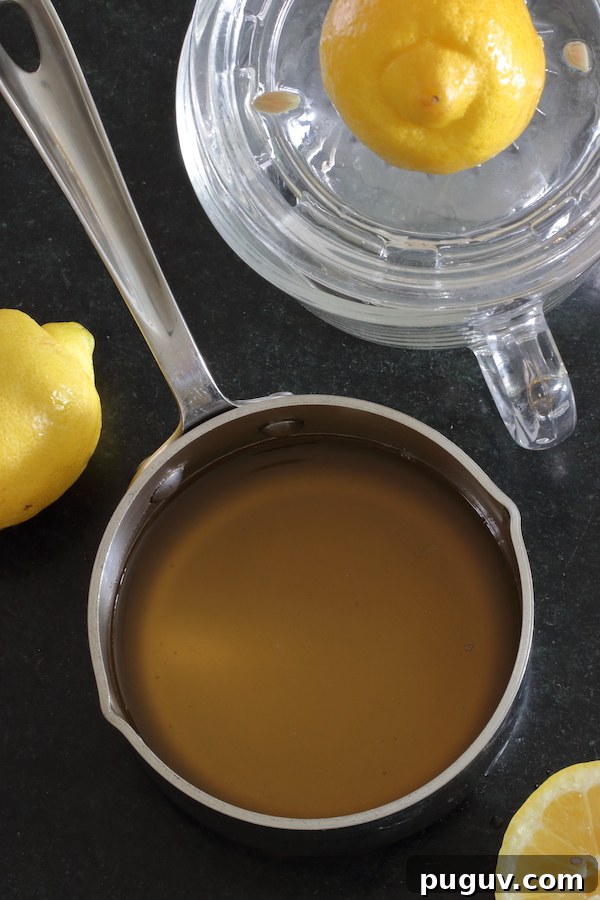
Warm equal parts water and chosen sweetener over medium heat, stirring until combined. Cool, then refrigerate in a sealed jar. Properly stored, simple syrup lasts about a month in the refrigerator.
Date syrup is a tasty alternative; it requires simmering dates and water, then straining. Experimentation is recommended to balance sweetness and consistency.
No. Syrups made with honey, maple, or agave are sweeter than granulated sugar syrup. When substituting, reduce the quantity slightly—about 3/4 cup of honey/maple/agave syrup can replace 1 cup of sugar syrup in many recipes.
Follow well-tested recipes and use fully ripe fruit. For precision you can use a refractometer to aim for 20–30% soluble solids. An old-fashioned egg float test can indicate adequate sugar concentration for juice-based bases.
Yes. A machine both freezes quickly and disrupts ice crystals. You can mimic that by periodically stirring or reprocessing the base while it freezes (the “freeze & stir” approach) or by freezing in cubes and re-blending before serving.
Aim for 0ºF (-18ºC). Place containers in the coldest part of the freezer—usually the back.
Lemon or lime juice brightens flavor, balances sweetness, and prevents browning in fruits like peaches and bananas. Use sparingly—about 1–2 tablespoons per quart.
Alcohol lowers the freezing point and helps prevent a rock-hard sorbet. Use sparingly—1 to 3 tablespoons per quart is sufficient. Too much will keep the sorbet too soft. Alcohol can also be added for flavor via spirits or extracts, but use extracts sparingly to avoid overpowering the base.
Sherbet contains dairy or non-dairy cream and sometimes egg whites; sorbet is dairy-free and typically contains only fruit, water, and sweetener.
Yes, unless it contains honey.
Yes. Use syrup made with honey, maple, or agave—or use the Easy (no keep) method that requires no added sweetener.
How To Make Sorbet WITHOUT an Ice Cream Maker
Three No-Churn Methods
1. Easy (no keep)
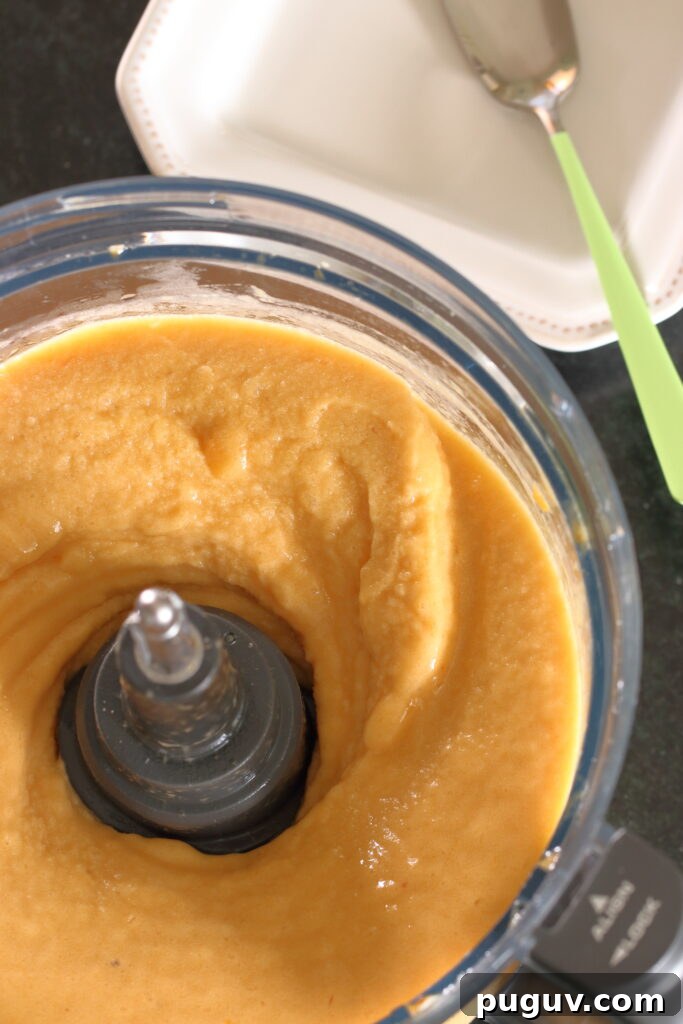
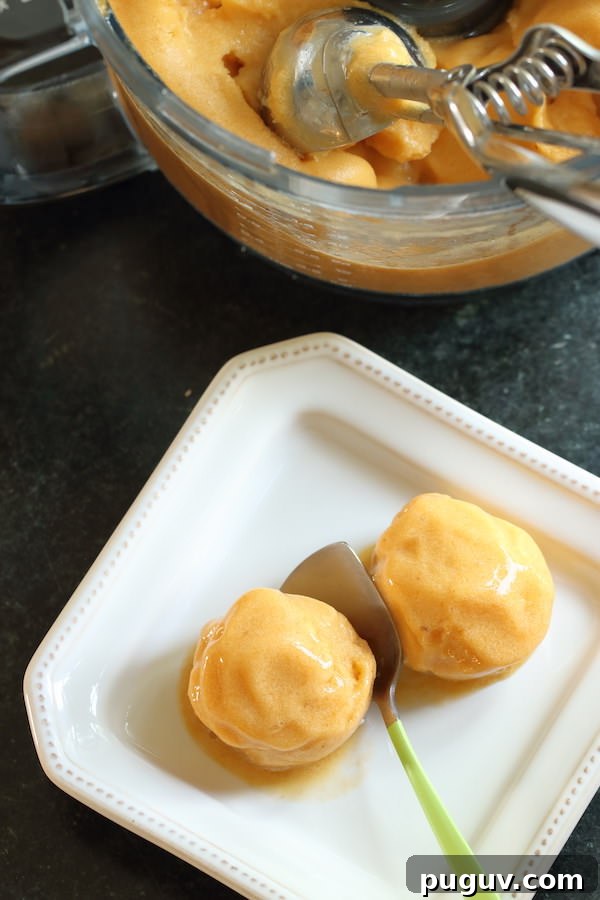
Blend frozen fruit in a high-speed blender or food processor. Add sweetener, citrus, or extracts only if desired, and serve immediately. This yields an ice-cream-like texture that cannot be stored long-term in the freezer.
Adding frozen banana improves creaminess and helps the mixture hold together for serving.
2. Freeze & Stir
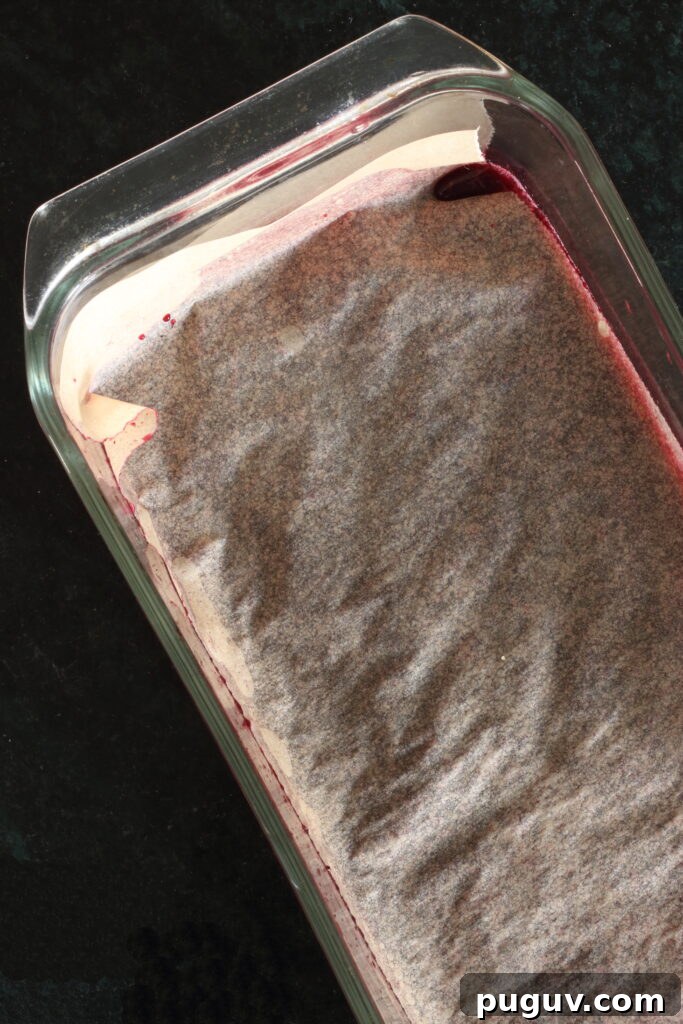
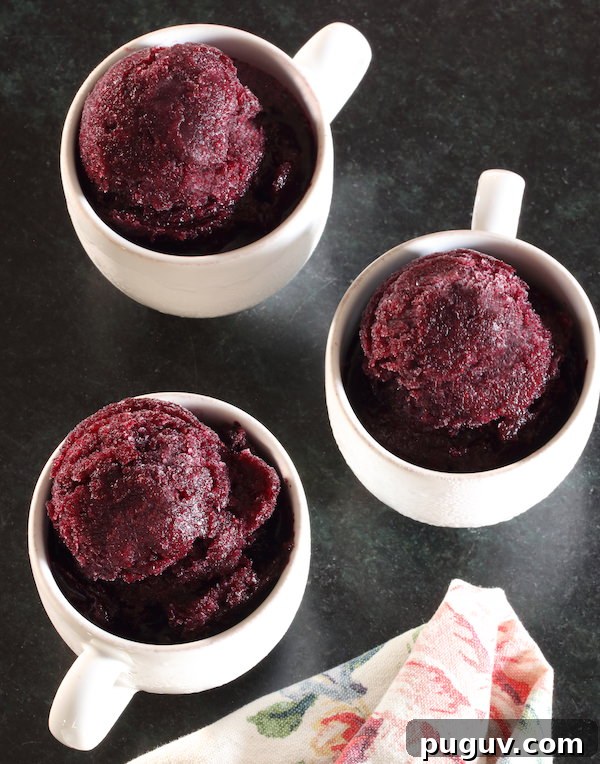
Blend fresh or frozen fruit with simple syrup until smooth. Pour into a shallow, freezer-safe loaf pan, cover with parchment to reduce ice formation, and place in the back of the freezer. After about 45 minutes, stir and mash the edges with a spoon to break forming crystals. Repeat every hour for several hours. Re-blend or mash just before serving.
3. Freeze & Blend
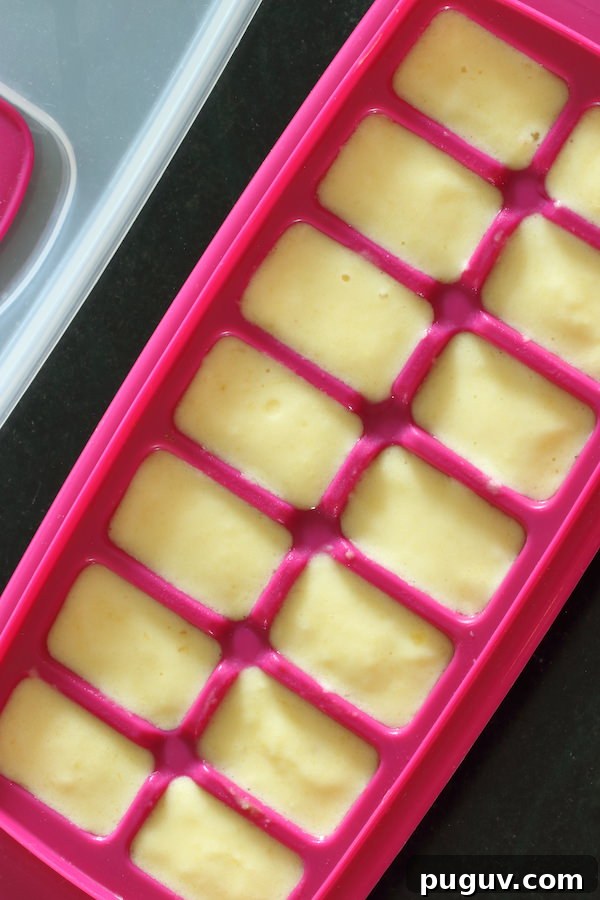
Blend fruit and simple syrup, then spoon into ice cube trays and freeze solid. When ready to serve, process several frozen cubes at a time in the food processor until smooth. Plan on 3–4 cubes per serving.
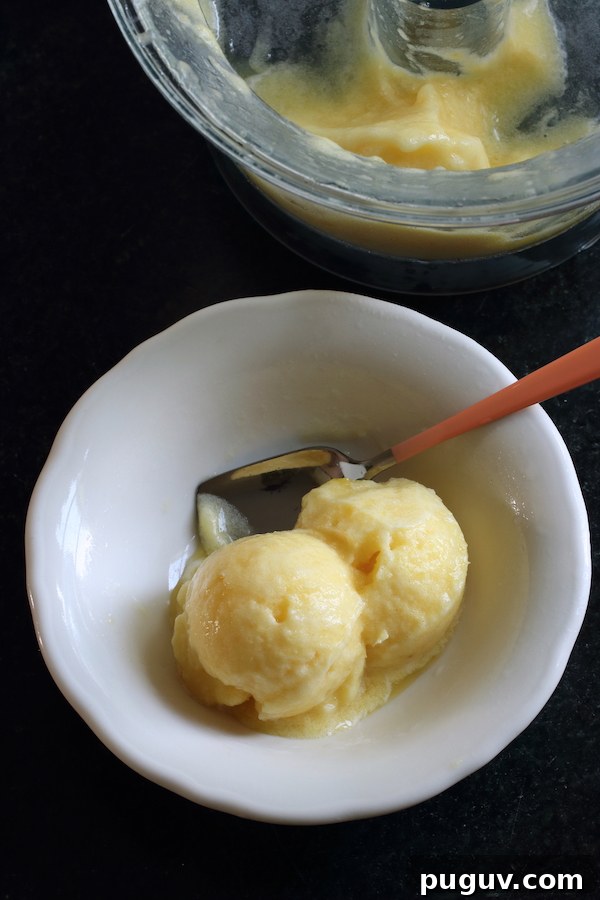
Serving Tip:
Serve sorbet with a chilled scooper in chilled bowls.
Pros & Cons of No-Churn Methods
1. Easy (no-stir)
Pros
- No added sweetener required
- Fast and simple
Cons
- Not freezer-stable—becomes icy and hard if stored
- Melts quickly and has a smoothie-like consistency
2. Freeze & Stir
Pros
- Produces scoopable sorbet that can be stored in the freezer
Cons
- Some ice crystals may still form
- Requires periodic attention while freezing
3. Freeze & Blend
Pros
- Relatively easy and produces scoopable sorbet
Cons
- Must reprocess frozen cubes in a food processor just before serving
If your sorbet has melted or become icy, reprocess it using one of the methods above and it will often regain a smooth texture.
How to Make Sorbet WITH an Ice Cream Maker (Churn Method)
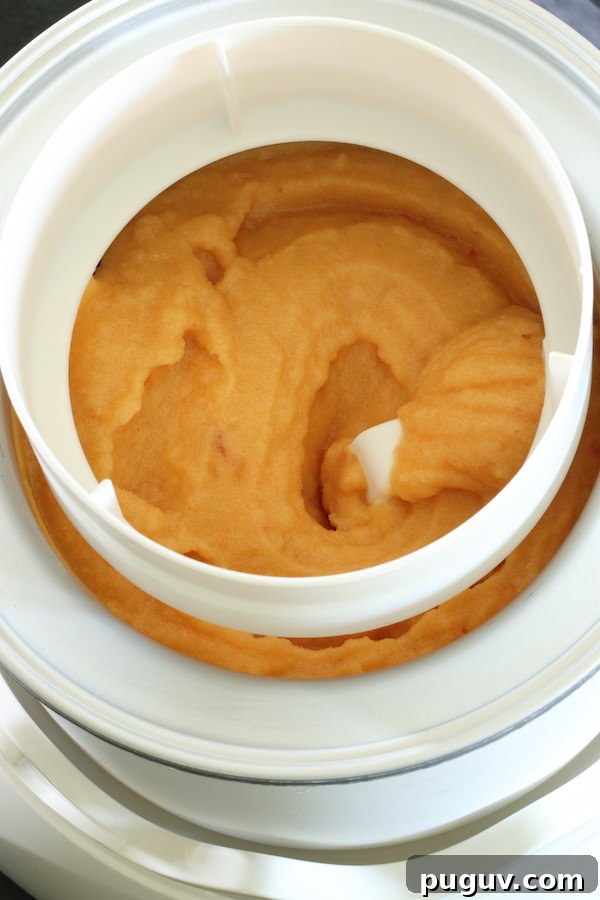
Method Overview
- Freeze the machine’s canister for 12–24 hours so the coolant is solid
- Prepare simple syrup in advance and chill
- Blend fruit and syrup, then chill the mixture thoroughly
- Churn the chilled base for 15–20 minutes per manufacturer instructions
- Freeze the churned sorbet for at least two hours for a firm scoopable texture
Churn-Method Tips for Success
To achieve the best texture, follow the machine instructions, keep the canister fully frozen (no sloshing), and ensure the sorbet base is very cold before churning. Use sufficient simple syrup or the result may be icy. After churning, give it a short freeze for serving consistency unless you prefer soft-serve.
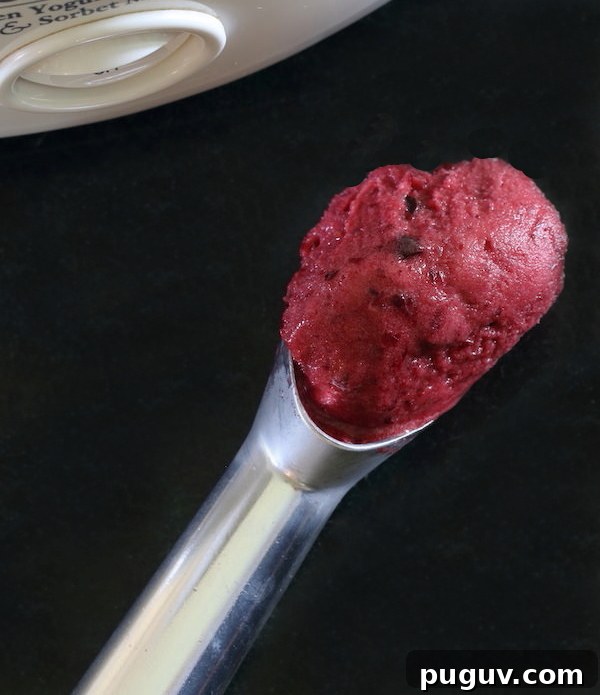
- Read and follow your ice cream maker’s directions closely.
- Freeze the canister 12–24 hours; set your freezer to 0ºF or lower and place the canister in the coldest spot.
- Chill the sorbet base thoroughly before churning; processing warm or lukewarm bases reduces quality.
- Use enough simple syrup to prevent an icy sheet; balance sweetness to avoid mushiness.
- Allow the churned sorbet to firm in the freezer for about two hours for ideal scoopability.
Pros & Cons of Using an Ice Cream Maker
Pros
- Produces the creamiest, smoothest, most scoopable sorbet
- Freezer-stable and convenient to store
- Relatively straightforward once pre-planning is done
Cons
- Requires an ice cream maker and pre-freezing the canister
- Needs well-chilled base and some planning ahead
More Tips for Making Sorbet (Any Method)
Types of Fruit
Any fruit or fruit juice can be used. Choose fruit at peak ripeness for the best natural sweetness. Fruits and vegetables can be combined for creative flavors. Firmer fruits like apples, pears, and rhubarb benefit from cooking and then cooling before blending; use the cooking liquid when preparing simple syrup if appropriate.
Savory Sorbets
Savory options are possible using tomatoes, cucumbers, avocado, or vegetable juices such as celery, carrot, or beet. Herbal teas, coffee, and chocolate can also be bases or flavor components.
How to Deal with Seeds and Skins
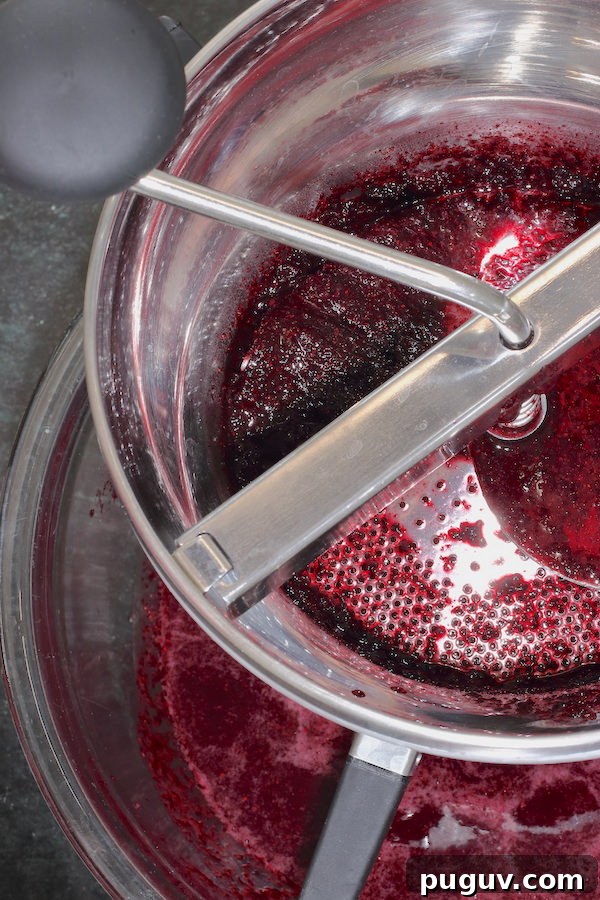
Removing seeds from berries yields a smoother texture. Use a food mill or blend and strain through a fine mesh sieve. Skins can often be left on soft fruits like peaches, cherries, grapes, apricots, and plums for color and nutrients. Peel thicker-skinned fruits like apples or kiwi to avoid gritty or coarse textures. Always remove inedible skins such as pineapple or mango peels.
Flavoring with Herbal Teas
Use brewed herbal teas (hibiscus, rose hips, ginger, mint, etc.) instead of water when making simple syrup for added flavor and complexity.
Citrus
Add 1–2 tablespoons of citrus juice per quart to brighten flavor and balance sweetness. Zest can also enhance aroma and taste.
Additional Ingredients
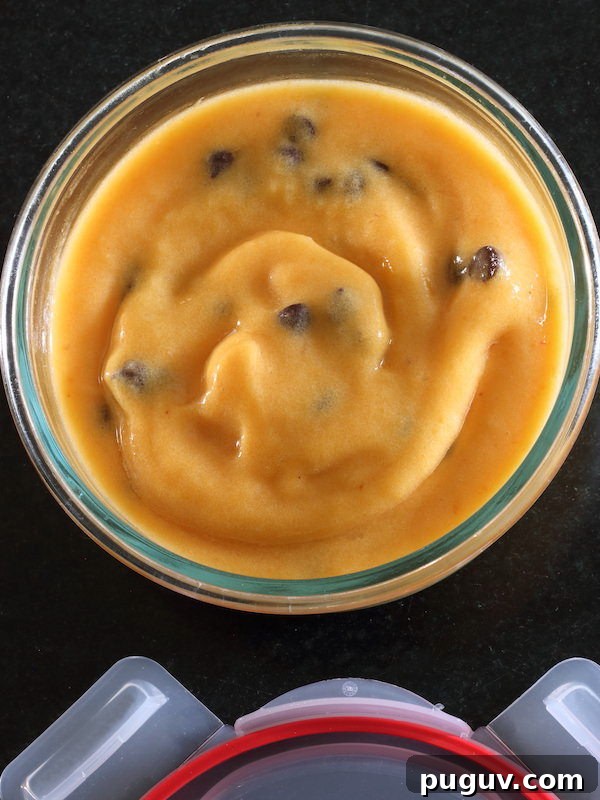
While sorbet is typically smooth, mix-ins like bittersweet chocolate chips, shredded coconut, or finely chopped dried fruit can add texture and interest—use sparingly for best results.
Containers for Freezing and Storing Sorbet
- For churned sorbet, one-quart freezer-safe glass containers with snap-on lids work well.
- For “freeze & stir,” use shallow glass loaf pans so the base freezes faster and more evenly.
- For “freeze & blend,” use covered BPA-free ice cube trays to freeze portioned cubes.
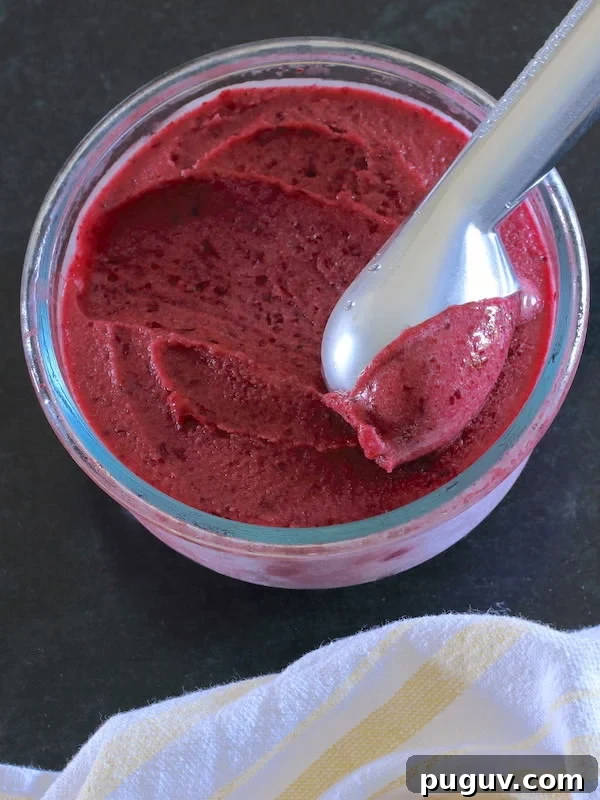
If you enjoyed this post, try other fruit sorbet recipes to explore different flavor combinations and techniques.