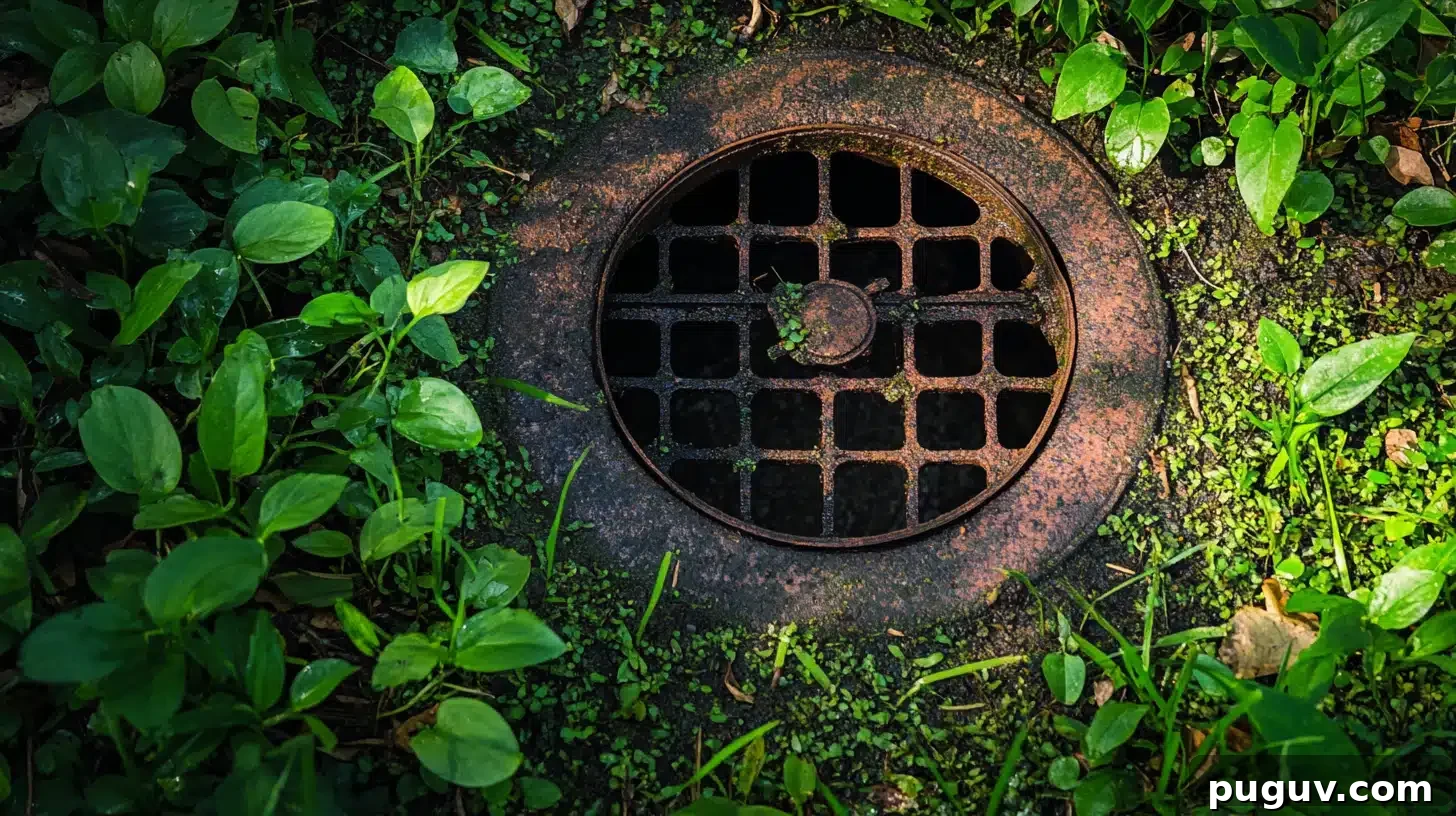
Maintaining a smoothly functioning homestead requires regular attention to many systems, and the plumbing network is among the most important. Well-maintained, free-flowing drains help prevent unexpected—and often costly—repairs, protect your home from water damage, and reduce stress for everyone who lives there.
Routine drain cleaning is a vital part of home maintenance. Removing build-up from hair, grease, soap residue, and other debris keeps water flowing freely and extends the life of your pipes.
This guide presents practical strategies and sensible tips for effective drain care so homeowners can take control of their plumbing proactively. By using eco-friendly approaches and understanding common drainage problems, you can maintain a reliable system and avoid unnecessary expense and disruption.
Introduction to Drain Maintenance
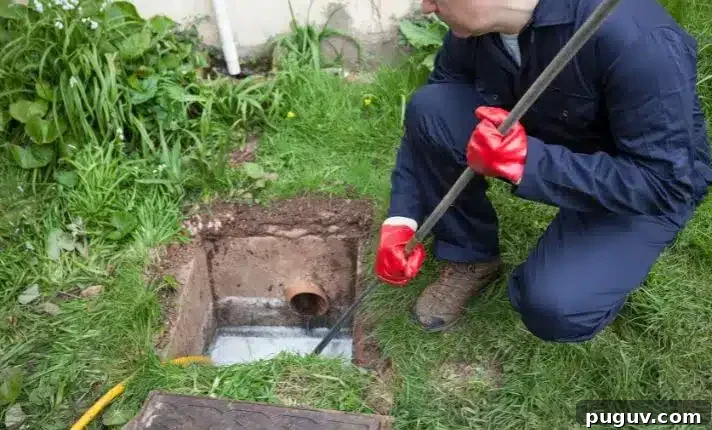
Regular drain maintenance is often overlooked, yet it plays a key role in keeping a home comfortable and functional. Prioritizing plumbing upkeep reduces the risk of blockages that can lead to water damage, costly repairs, and health hazards from standing water or sewage backups.
The most effective approach combines prompt repairs with preventive practices that minimize the chance of problems developing in the first place.
Understanding Common Drain Issues
Home drainage problems most often involve hair clogs, grease accumulation in kitchen lines, and tree root intrusion in outdoor pipes. Bathroom drains commonly become obstructed by hair and soap scum that collect over time, while kitchen drains can clog when grease and food fragments congeal and adhere to pipe walls.
Tree roots are a more serious concern for underground sewer lines; roots naturally seek moisture and can invade small pipe joints, causing blockages and leaks. Recognizing these frequent issues helps homeowners take targeted preventive steps and seek professional help when necessary.
Tips for Preventing Clogs and Blockages
Best Practices for Homeowners
- Install drain strainers in sinks and showers to catch hair, food particles, and other debris before they enter the plumbing.
- Collect cooking grease and oil in a container and dispose of it with household trash rather than pouring it down the sink.
- Periodically flush drains with hot water to help dissolve and clear minor buildups.
- Use commercial chemical drain cleaners sparingly; repeated use can damage pipes and harm septic systems.
Prevention depends on awareness. Avoid flushing wipes, sanitary products, coffee grounds, and other non-biodegradable items down toilets or drains, as they can form stubborn blockages requiring extensive repair.
Eco-Friendly Solutions for Drain Cleaning
Environmentally friendly drain-cleaning methods are both practical and responsible. A simple combination of baking soda followed by vinegar generates a foaming reaction that can help dislodge light clogs without harsh chemicals. After the reaction, flush the line with boiling water to clear loosened debris.
Mechanical options—such as a hand auger (plumbing snake) or a pop-up drain plunger—are effective for many blockages and avoid chemical exposure. Regular mechanical maintenance and gentle natural cleaners help preserve pipe integrity and protect the surrounding environment.
Maintaining Gutters and Outdoor Drains
Keeping gutters, downspouts, and exterior drains clear is essential for managing rainwater and preventing basement flooding or structural water damage. Seasonal cleanup—removing leaves, pine needles, and other debris before heavy storms—is especially important in areas with significant rainfall.
Inspect downspouts and drainage paths to ensure water is directed away from your home’s foundation. Consider gutter guards or leaf screens to reduce the frequency of cleaning, and check outdoor drainage after major storms to catch problems early.