
Wendy Stoltz
/ Last Modified On August 11, 2025
Cornstarch is a common pantry ingredient, but what exactly is it, is it gluten-free, is it healthy, and are there good substitutes? Below is a clear, practical guide to help you understand cornstarch and how to use it in everyday cooking and baking.
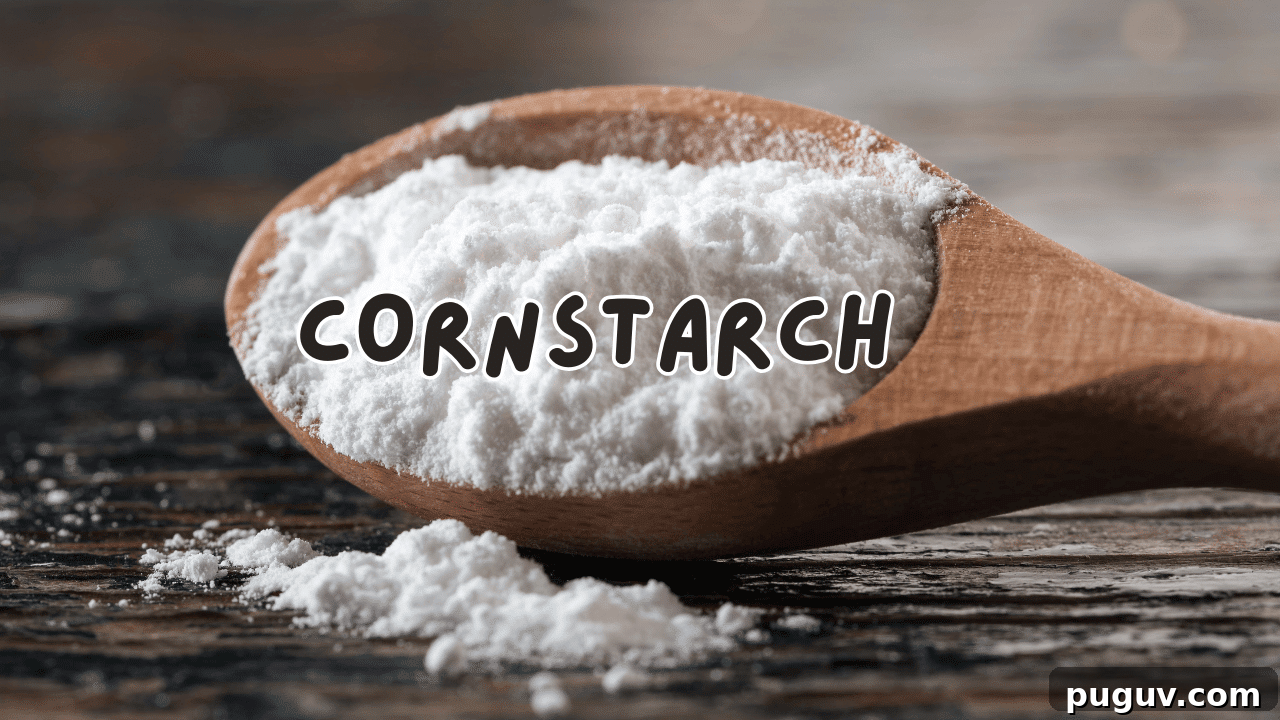
Cornstarch is a fine white powder made from the endosperm of corn kernels. It’s most commonly used as a thickening agent for gravies, pie fillings, soups, sauces and puddings. Because it is flavorless and becomes transparent when cooked, it’s a popular choice for clear sauces and glossy dessert fillings. It also has strong thickening power, often working with half the quantity of flour-based thickeners.
Table of Contents
What Is Cornstarch?
Cornstarch is the starch extracted from the starchy portion (endosperm) of corn kernels. It’s prized for being neutral in taste and producing a clear, shiny finish in sauces and fillings. It’s also very fine in texture, which makes it easy to disperse—though that same fineness can make a mess if you’re not careful when opening a new package.
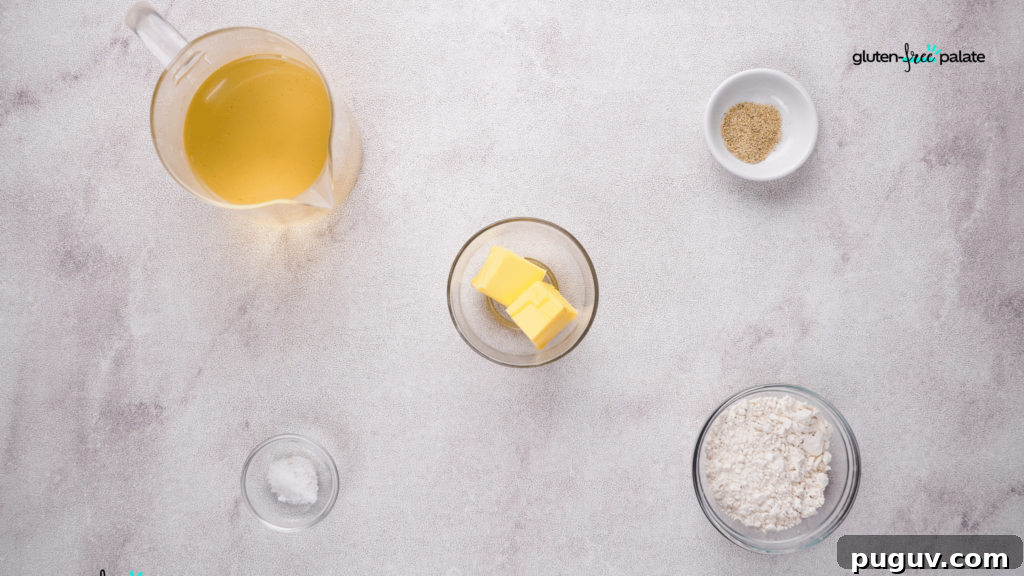
Because it thickens effectively at lower quantities than flour, many cooks keep cornstarch on hand as a reliable thickener and crisping aid for batters.
Is cornstarch gluten-free?
Yes — cornstarch itself is naturally gluten-free because it comes from corn, not wheat, barley, or rye. However, cross-contamination can occur if the product is processed in facilities that also handle gluten-containing grains. If you need to avoid gluten, choose cornstarch labeled or certified gluten-free to ensure it meets strict testing and manufacturing standards and contains less than 20 parts per million (ppm) of gluten.
Buying certified gluten-free cornstarch reduces the risk of cross-contact and gives peace of mind when cooking for those with celiac disease or gluten sensitivity.
Cornstarch Uses
Cornstarch is versatile in the kitchen and beyond. Common culinary uses include:
- Thickening agent for soups, gravies, sauces and pie fillings.
- Baking aid to tenderize and lighten baked goods when blended with other flours.
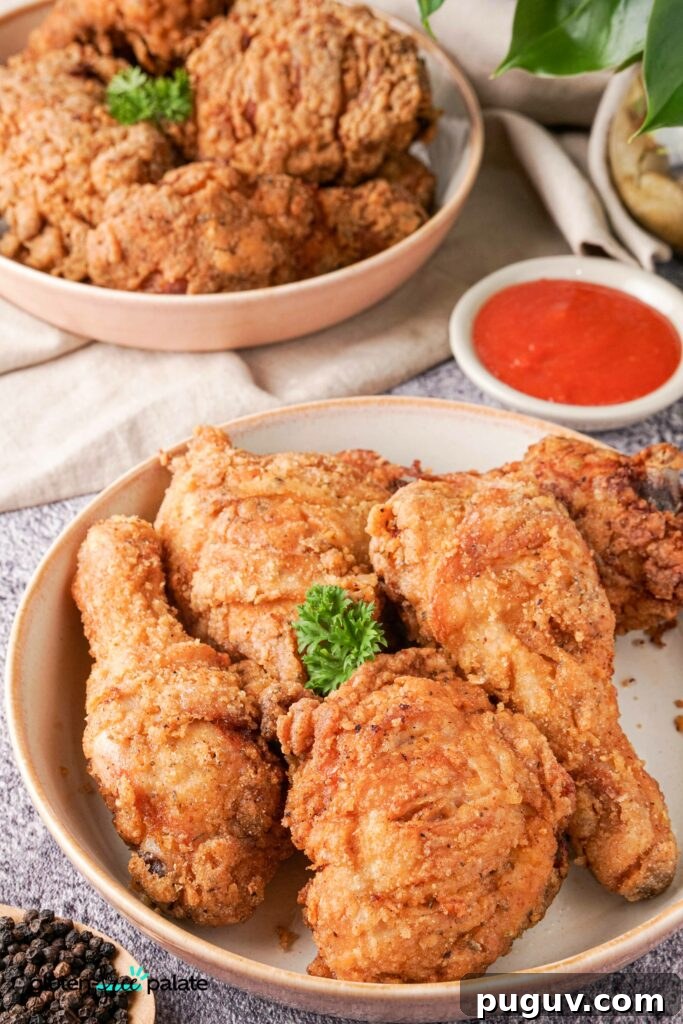
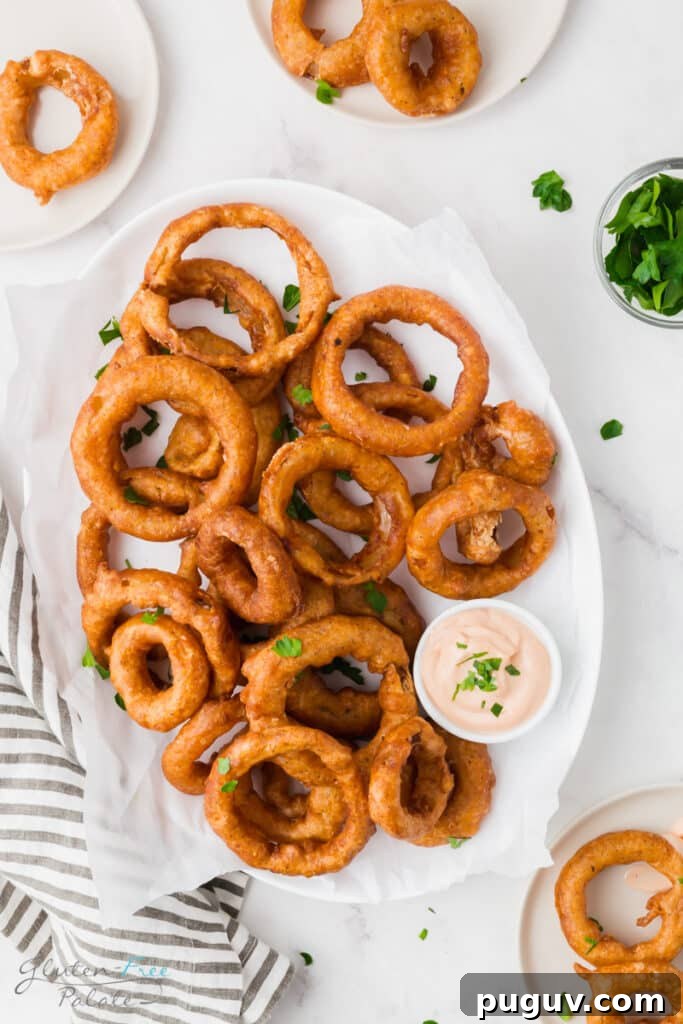
- Crisping agent in batters for fried foods to achieve a crunchy coating.
- Anti-caking agent to keep powdered sugar, grated cheese, or spice mixes free-flowing.
- Egg replacer in some vegan recipes when combined with water and other ingredients.
Is Cornstarch Healthy? What Are The Health Benefits Of Cornstarch?
Cornstarch is mostly pure carbohydrate and provides energy but contains very little protein, fiber, vitamins or minerals. It serves a useful functional role in recipes, but it’s not a significant source of nutrients. Whether it’s a good choice depends on your dietary needs and how often you consume it.
What are the health risks of cornstarch?
Because cornstarch has a high glycemic index, eating it in large amounts can spike blood sugar levels. It’s low in nutrients and, when overused, may contribute to excess calorie intake and weight gain. If you have diabetes or metabolic concerns, discuss cornstarch use with your healthcare provider. Some studies show no clear effect on cholesterol, but individual responses vary, so consult a professional if you have health concerns.
How To Add Cornstarch To A Recipe
To thicken liquids without lumps, use a cornstarch slurry:
- Make a slurry. Mix equal parts cornstarch and cold liquid (water, broth or milk) until smooth. A common starting point is 1 tablespoon cornstarch to 1 tablespoon liquid.
- Add slowly. Stir the hot liquid constantly while pouring in the slurry to prevent clumping.
- Heat briefly. Bring the mixture to a simmer for 1–2 minutes until it thickens. Continue stirring to maintain an even texture.
Tips and cautions:
- Avoid overcooking. Prolonged cooking can break down the starch and thin the sauce again.
- Adjust carefully. If it’s not thick enough, add more slurry a teaspoon at a time rather than dumping in a large amount.
- Don’t freeze. Sauces thickened with cornstarch can break and become watery after freezing and thawing.
- Not for canning. Cornstarch is not suitable for home canning; add thickeners after opening canned goods when reheating.
Cornstarch vs Corn Flour, What Is The Difference
Although both come from corn, cornstarch and corn flour are different. Cornstarch is pure starch from the endosperm and is used primarily as a thickener. Corn flour is made by grinding whole corn kernels and contains more fiber and nutrients, making it suitable for baking and savory dishes. Note that terminology varies by country: in the U.K., “cornflour” often refers to what Americans call cornstarch, so check recipes carefully when using international sources.
Popular Safe Brands of Gluten-Free Cornstarch
For those avoiding gluten, choosing certified gluten-free cornstarch ensures testing and manufacturing controls to limit cross-contamination. Certification indicates the product contains less than 20 ppm gluten. Brands commonly available with gluten-free or tested options include:
- Bob’s Red Mill — certified gluten-free options.
- Argo — often labeled gluten-free and widely available.
- Clabber Girl — cornstarch suitable for cooking and baking.
- Rumford — non-GMO and gluten-free in many markets.
- Anthony’s Goods — organic, gluten-free, non-GMO options.
Always check the package for current certification and labeling to ensure safety for those with celiac disease or gluten sensitivity.
Storage And Shelf Life
Store cornstarch in an airtight container in a cool, dry pantry. Properly stored, cornstarch can keep for a very long time; many home cooks rotate stock in one to two years, but it rarely spoils if kept dry and sealed.
What Can You Substitute Cornstarch For?
If you run out of cornstarch, several gluten-free alternatives work well depending on the application:
- Arrowroot powder — a good, neutral thickener with similar properties to cornstarch.
- Tapioca starch — creates a smooth, glossy finish ideal for puddings and sauces.
- Potato starch — effective for thickening soups and stews.
- Rice flour — usable as a thickener in a pinch.
- Gluten-free all-purpose flour — use approximately twice the amount of flour to achieve the same thickening power as cornstarch (about 2:1).
A Versatile Kitchen Staple
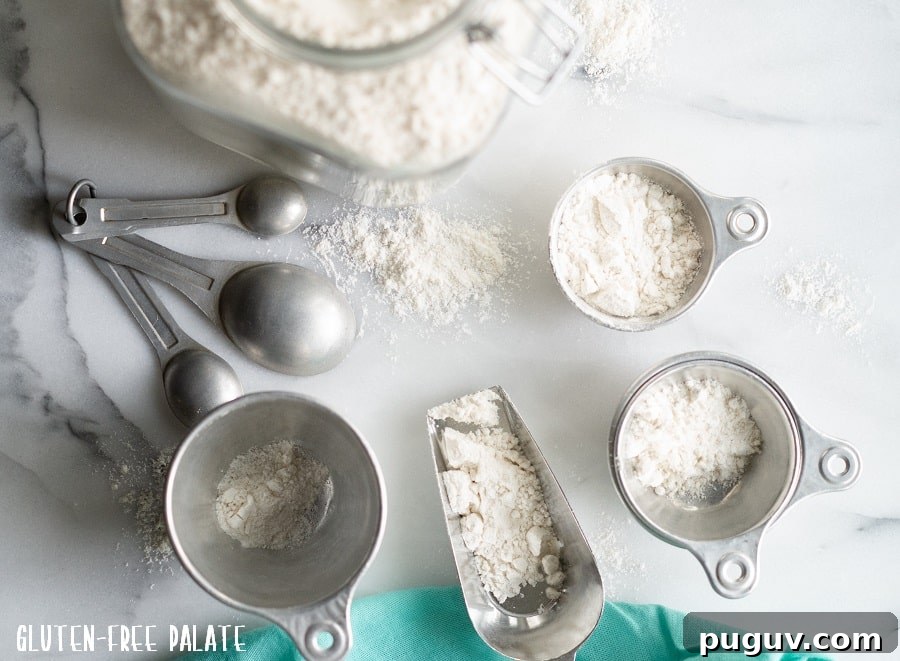
Cornstarch is a simple, effective ingredient for thickening and improving texture in many recipes. Use it sparingly, follow slurry methods to avoid lumps, and choose certified gluten-free brands if you need to avoid gluten. If you prefer more nutrient-dense or lower-GI options, consider the substitutes listed above.
And one final practical tip: store cornstarch safely away from curious kids who might enjoy a messy experiment—fine powder spreads easily!
DID YOU MAKE THIS RECIPE?
Tag @glutenfreepalate on Instagram and hashtag it #glutenfreepalatebaker so we can see all the deliciousness!