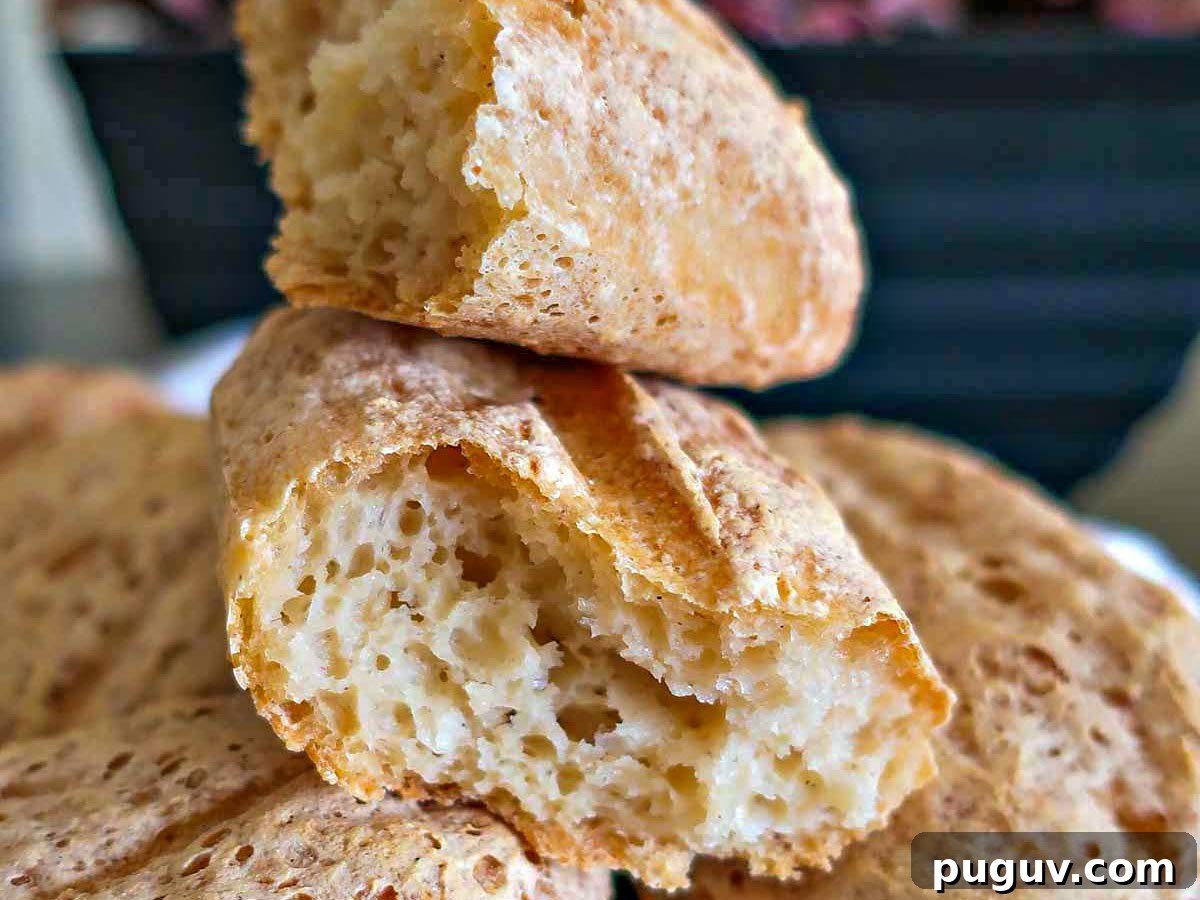
I’ve baked many gluten-free rolls and buns over the years, and not every recipe is worth repeating. Too often they end up dense, dry, or crumbly. I kept testing, adjusting flour blends, playing with hydration, and learning what truly affects texture. The recipes I return to are soft, tender, and hold together the way you want them to.
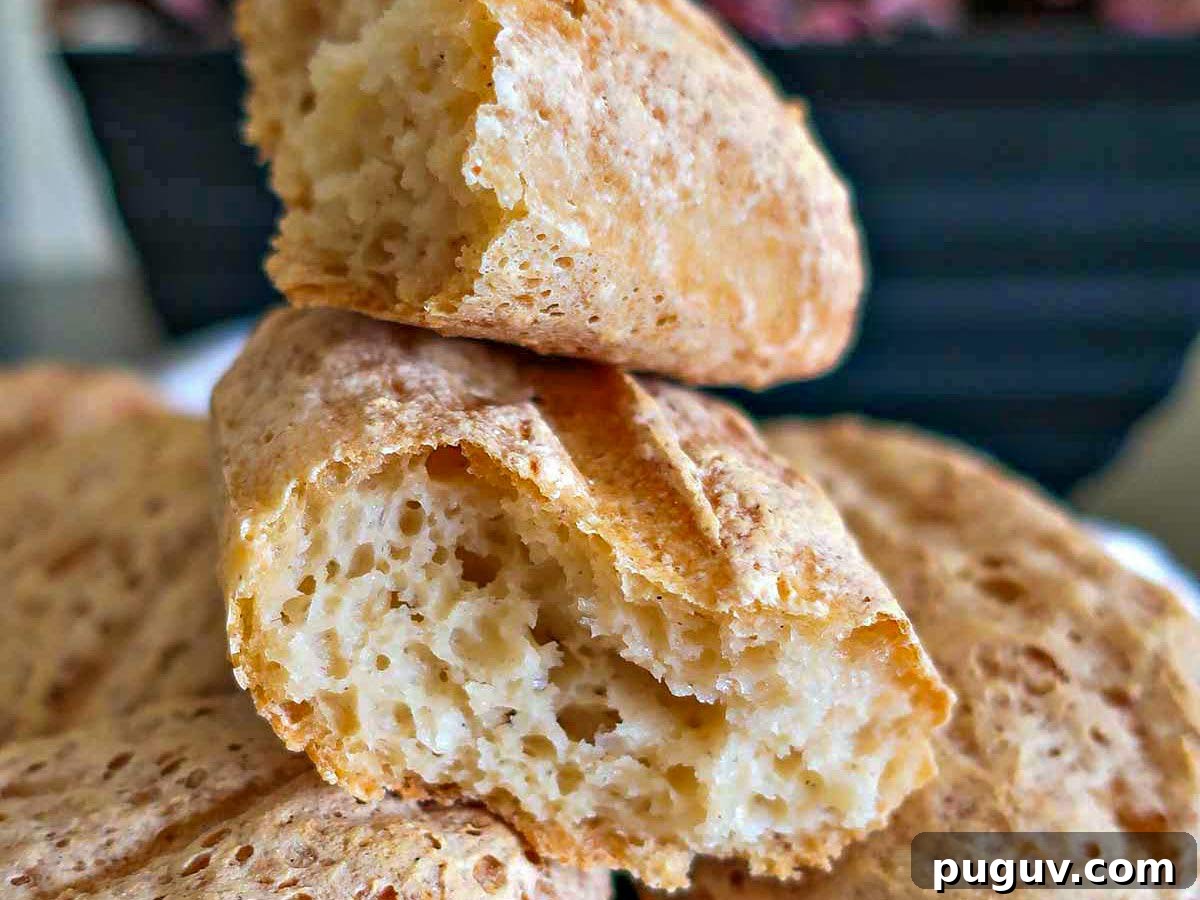
Whether you’re making dinner rolls, sandwich buns, or something special, these recipes are designed to deliver consistent results without unnecessary complication.
Why Gluten-Free Rolls and Buns Are So Hard to Get Right
Gluten-free baking behaves differently — it’s not a straight swap for wheat-based recipes.
Without gluten, the dough lacks the usual elastic structure, which means:
- It needs more moisture
- It relies on binders like eggs or psyllium husk
- It often seems softer or slightly sticky before baking
- It can go from perfect to dry quickly if overbaked
Once you accept and adjust for those differences, your results improve dramatically.
Why Your Gluten-Free Rolls Didn’t Turn Out
If your rolls have disappointed you, here are the main issues I’ve found:
- The flour blend matters most
Not all gluten-free flours behave the same. A well-balanced blend is essential. - The dough was too dry
Gluten-free dough should be softer than you expect and often a touch sticky; drying it out is a common mistake. - You skipped or reduced the binder
Ingredients like psyllium husk, eggs, or certain starches are what hold gluten-free dough together. - Not enough rise time
Gluten-free dough often benefits from more rise time, even if it looks different from wheat dough.
A practical change that made a huge difference for me is weighing flours instead of scooping. Gluten-free flours vary in density, and even small differences in measurement can change texture. Too much flour is a leading cause of dense, dry rolls, so a kitchen scale helps achieve consistent results.
How to Get Soft, Fluffy Gluten-Free Rolls Every Time
Soft, fluffy gluten-free rolls come down to a few simple but important practices. Let the dough rest so it fully hydrates — that improves both texture and structure. Use slightly wet hands when shaping instead of adding more flour; this keeps the rolls light. Don’t overwork the dough, and only add extra flour when absolutely necessary. These small adjustments preserve tenderness and prevent density.
Best Flour Blends for Gluten-Free Rolls and Buns
From testing, blends that combine:
- rice flour
- potato starch
- tapioca starch
tend to give the best balance of softness and structure for rolls and buns.
Gluten-Free Rolls and Buns: Common Questions & Troubleshooting
Can you make gluten-free rolls that are soft?
Yes. With the right balance of moisture, starch, and binders, gluten-free rolls can be as soft as traditional rolls. Follow the recipe measurements closely for reliable results.
Why are my gluten-free buns dense?
Density usually comes from too much flour or insufficient hydration. Gluten-free dough should feel softer than regular dough.
Do gluten-free rolls need to rise twice?
Most gluten-free doughs only need one good rise before baking. A single proper rise is often sufficient.
How do you keep gluten-free rolls from drying out?
Avoid overbaking and brush rolls with butter or oil right after they come out of the oven. Store them in an airtight container at room temperature for up to a day or refrigerate for a few days. For longer storage, freeze for up to two months and reheat gently to restore softness.
11 Soft Gluten-Free Rolls and Buns Recipes
Gluten Free Portuguese Rolls
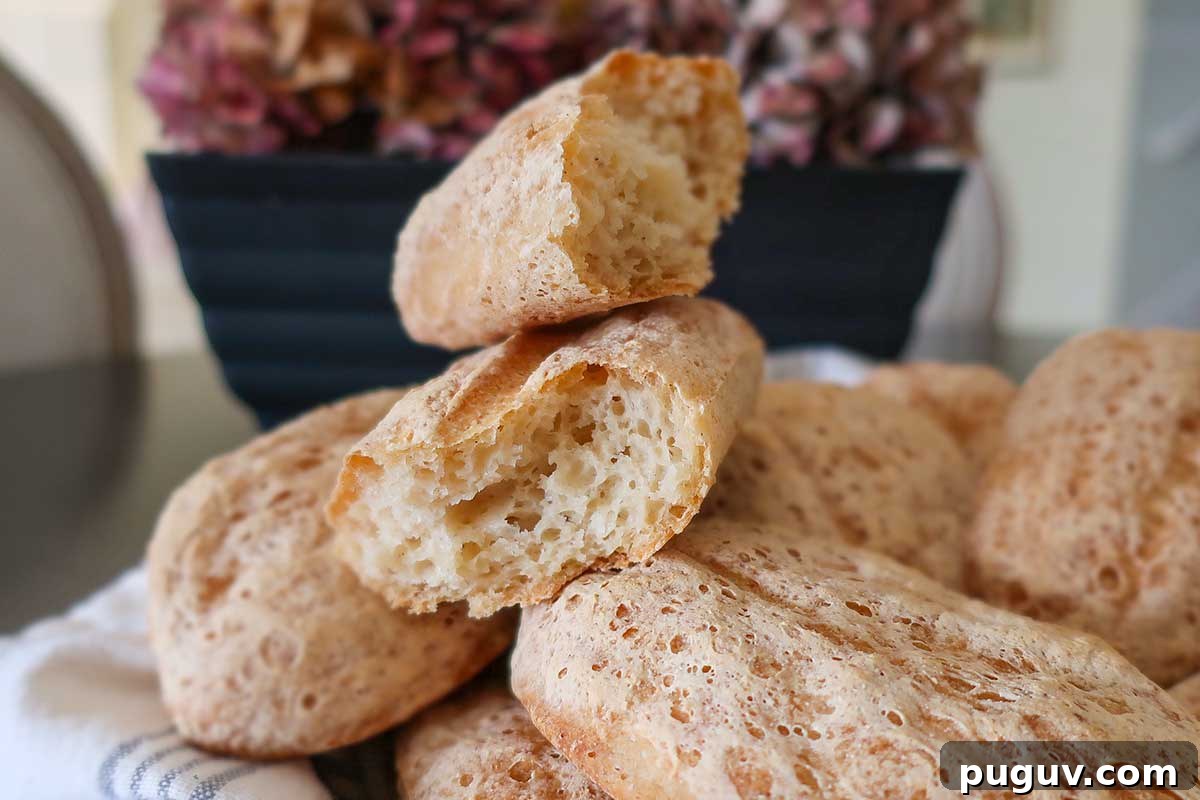
Soft and light gluten-free Portuguese rolls with a good crust. Dairy- and egg-free options using millet, sorghum, potato and tapioca flours with psyllium husk for structure.
Gluten-Free Potato Pan Rolls (Soft & Fluffy Pull-Apart)
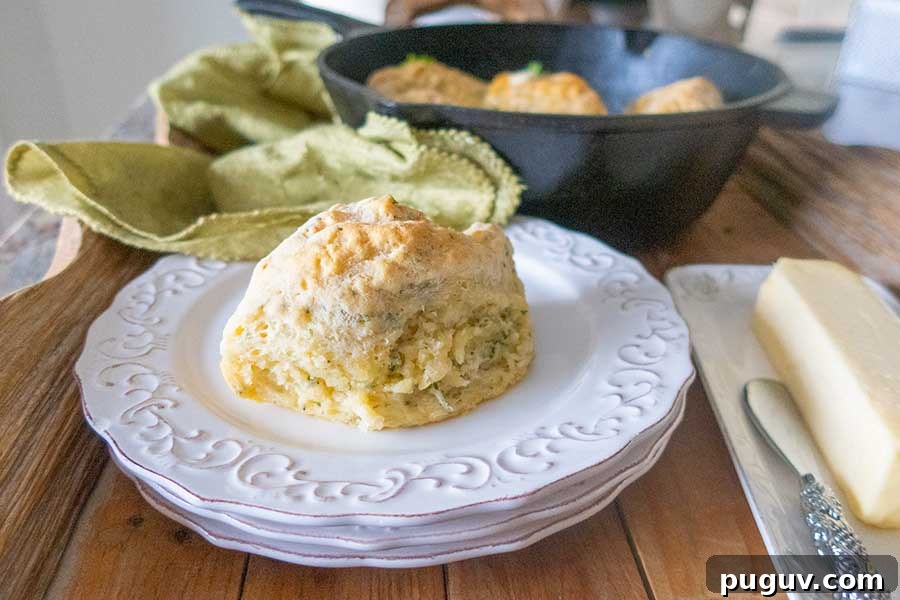
Potato pan rolls with mashed potatoes for added moisture and structure, creating pull-apart rolls that stay soft and never dry.
Gluten-Free Parker House Rolls
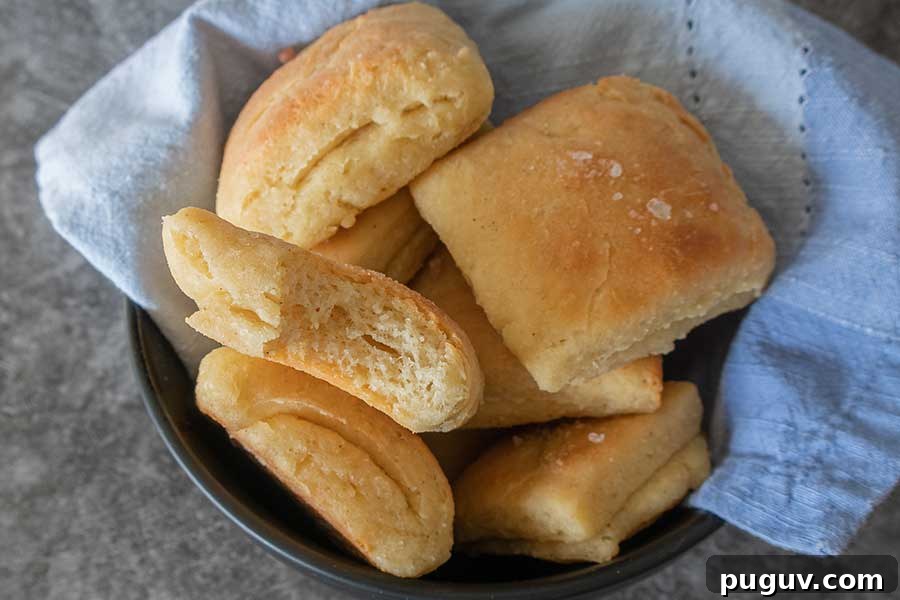
Buttery, folded Parker House rolls that are soft, airy, and perfect for holidays or special meals.
Easy Gluten-Free Butter Rolls
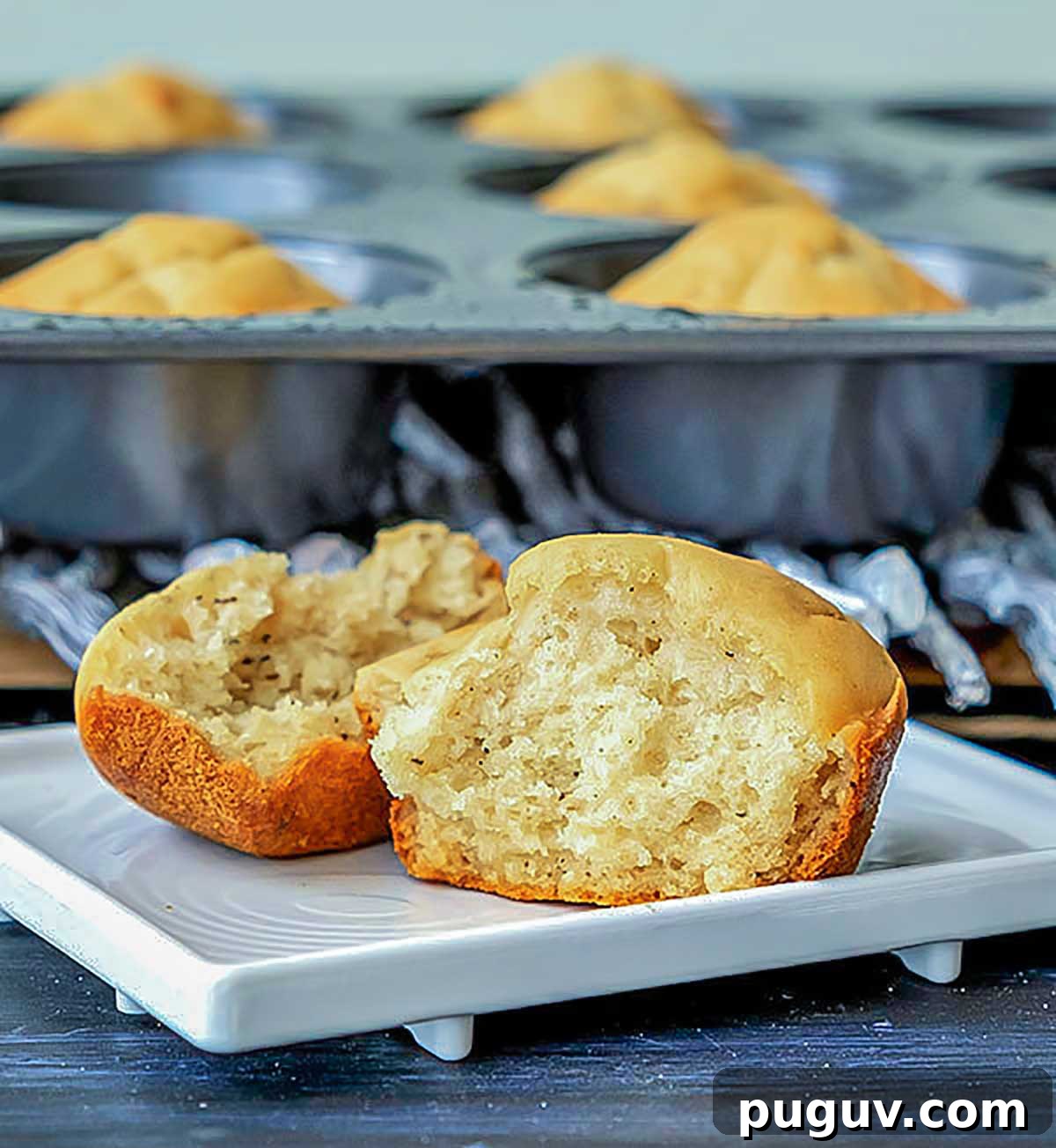
Yeast-free butter rolls that are soft and ready in about 30 minutes — ideal with soup, brunch, or as a breakfast topping.
Easy Gluten-Free Hot Dog Buns
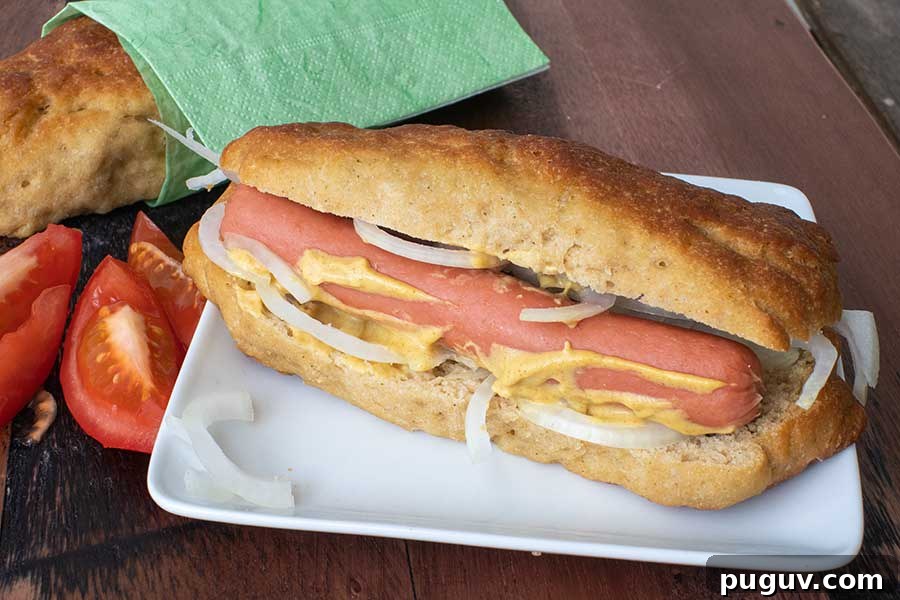
Soft homemade hot dog buns that work for hot dogs, burgers, or any casual meal. They’re versatile and reliable for BBQs and weeknight dinners.
Gluten Free Milk Rolls Recipe
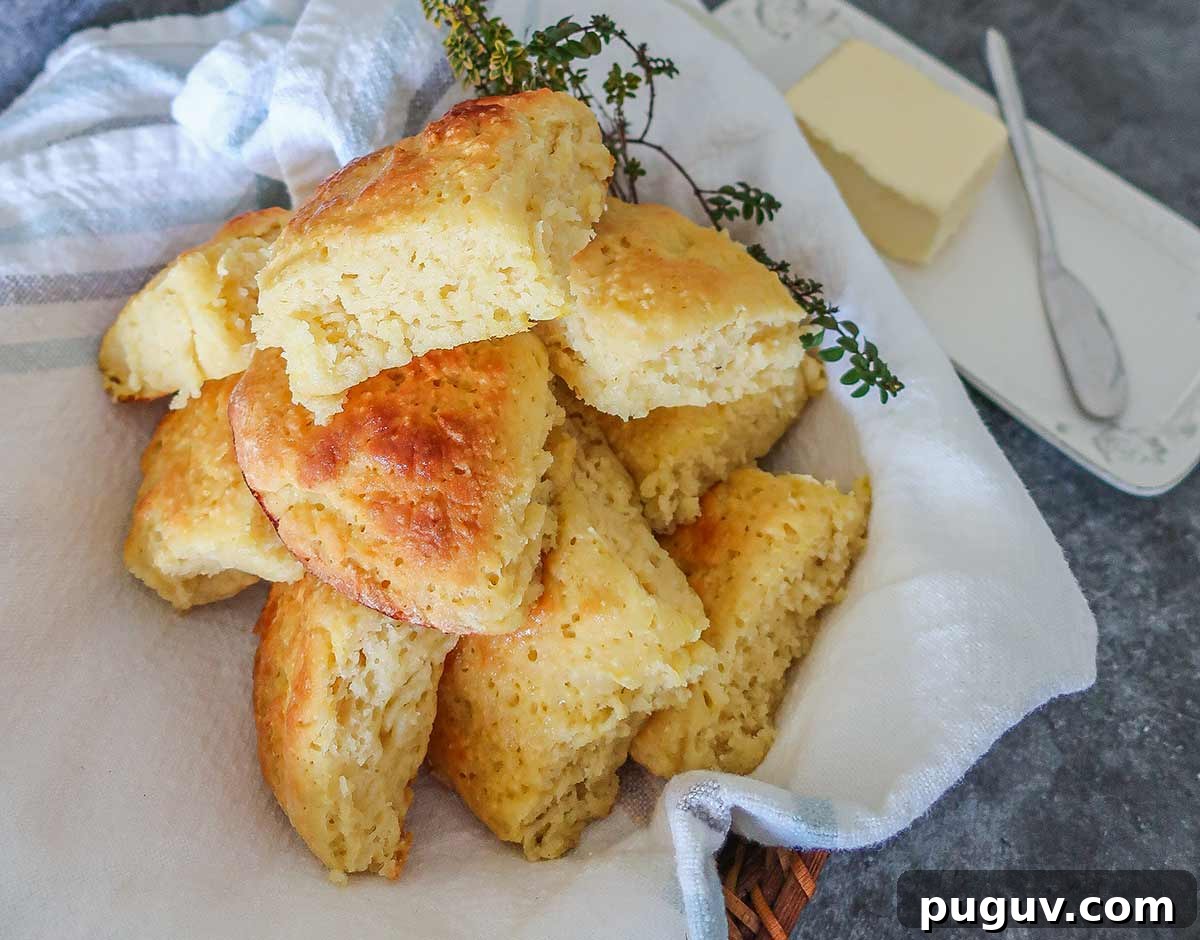
Milk rolls with a marshmallow-like texture: airy, moist, and perfect for sandwiches, dipping in gravy, or serving with stews.
Gluten Free Hot Cross Buns
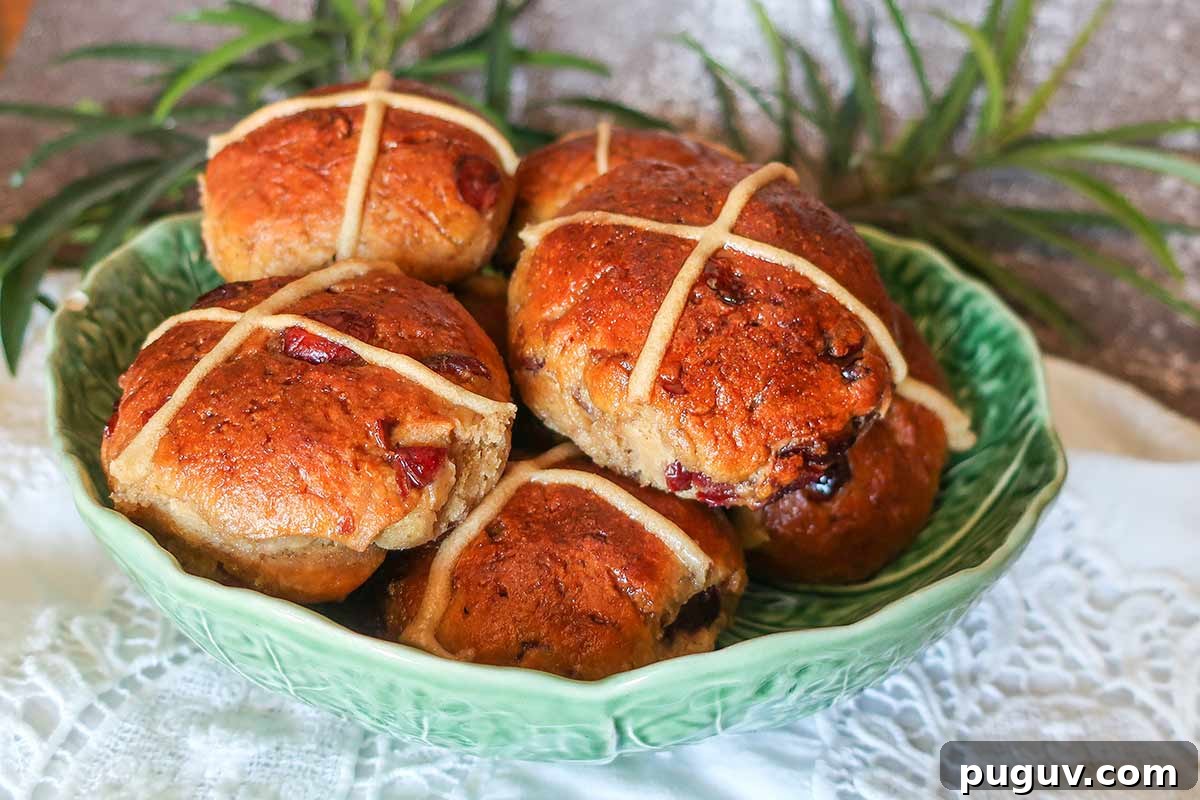
Lightly sweet hot cross buns with warm spices, orange zest, dried fruit, and a glossy apricot glaze — lovely for Easter or any special occasion.
4 – Ingredient Gluten-Free Cheese Buns
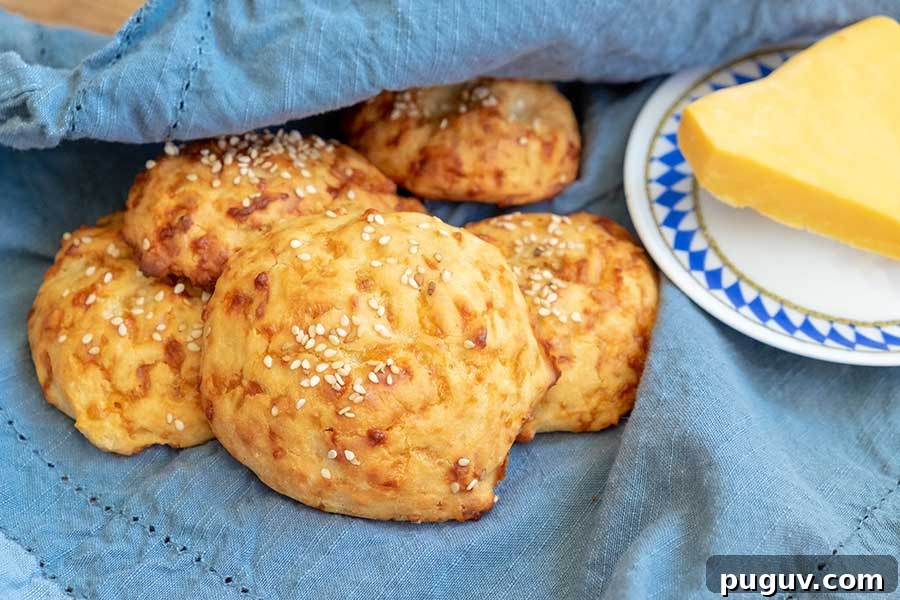
Simple, tender cheese buns made with just a few ingredients. Easy and nearly fail-proof with minimal hands-on time.
Best Gluten Free Pull-Apart Soft Rolls
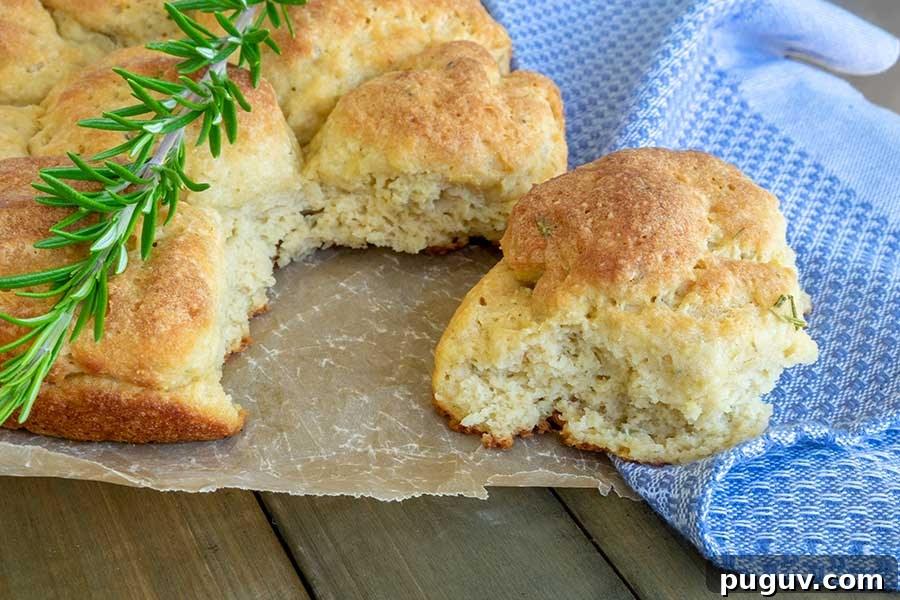
These pull-apart rolls are pillowy, moist, and perfect for holiday dinners or any time you want an impressive, tender roll.
Easy Gluten-Free Sub Rolls
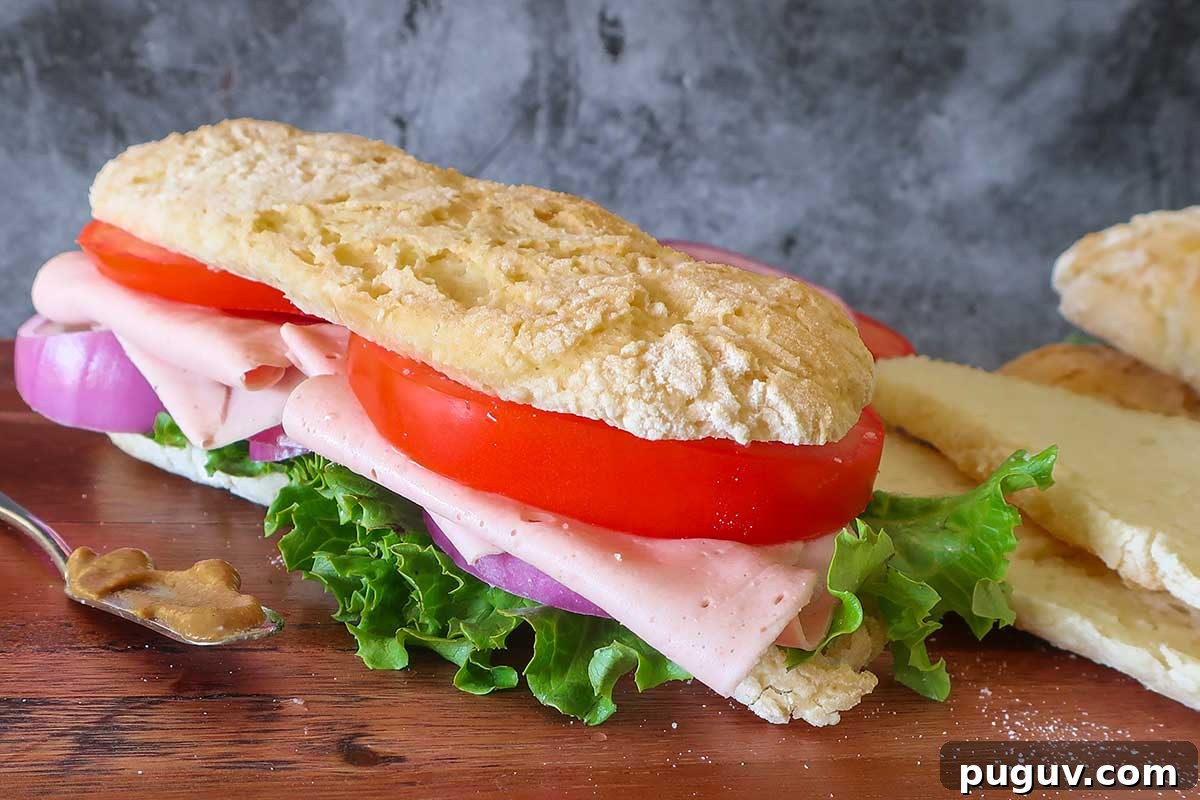
Versatile sub rolls that work well fresh or sliced for sandwiches, lunches, or more elevated meals.
Tools I Use for the Best Gluten-Free Rolls
Over time I’ve found a few tools that consistently help with gluten-free baking. A non-stick perforated baguette pan supports structure and a more even bake, creating a light crust without drying the rolls. A kitchen scale is essential for accurate flour measurements—small differences can change texture dramatically. A dough scraper helps manage softer, stickier dough, and a silicone pastry mat with measurements makes shaping and sizing easier without adding extra flour.
If you tried a recipe and enjoyed it, please leave a star rating and a review—feedback helps others find these recipes. Many thanks!
Kristina x