
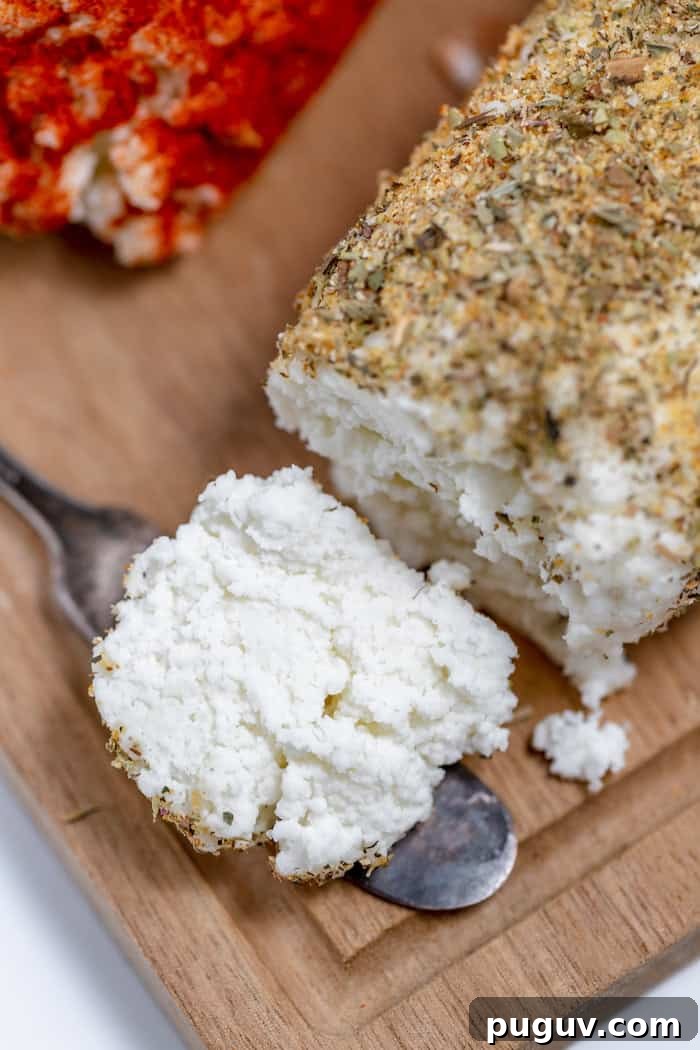
If you want to learn how to make goat milk cheese, this simple recipe is a perfect place to start. It’s quick, easy, and consistently well-received—ideal for a farm-to-table charcuterie board, potlucks, or simply enjoying at home. Because this cheese is fresh and not aged, it won’t have an overly “goaty” flavor unless the milk itself already has a strong scent. Properly handled fresh goat milk should be mild and pleasant.

Goats are a popular choice for small homesteads because they are smaller and easier to manage than cows, and many people find goat milk gentler on their digestion. A single milking goat typically produces between a half and two gallons a day, which is a manageable amount to use fresh or turn into dairy products like cheese.
One trade-off with goat milk is that it yields little cream for butter and can behave differently in cheesemaking compared to cow’s milk. Still, you can make several types of cheese from goat milk. A quick mozzarella adapts well, yielding a softer curd and slightly less final volume than cow’s milk mozzarella, but it works nicely on pizza. The easiest cheese to start with, however, is this fresh goat cheese (chévre-style). It’s made by acid coagulation—using lemon juice or vinegar—so no rennet or aging is required.
This is not a raw milk cheese recipe; it is a straightforward, cooked-and-strained method suitable for a quick fresh cheese you can enjoy the same day you make it.
A note on handling goat milk.
Good milk handling is essential to produce a mild, pleasant-tasting cheese. A few key practices help prevent off-flavors in fresh goat milk:
- Sterilize equipment before milking. Clean, sanitized buckets, strainers, and bottles prevent bacterial growth and stop old milk residue or goat hair from affecting flavor.
- Prevent contact with hair and skin. Goat hair can carry bacteria that influence the milk’s taste. Use a clean strainer or a layer of cheesecloth over the pail while milking to catch shedding hair.
- Strain immediately. Pour milk through a fine disposable milk strainer, jelly bag, or multiple layers of cheesecloth right after milking to remove debris and dandruff.
- Chill quickly. Cool the milk as soon as possible—transfer to small jars or set containers in an ice water bath to speed cooling. Heat is the biggest contributor to off-flavors, so minimize time at warm temperatures when using goat milk in recipes.
Some breeds are more likely to develop a strong flavor than others; for example, Alpines can be stronger than Nubians. But with careful handling and quick chilling, fresh milk should taste clean and neutral.
Ingredients for making goat milk cheese
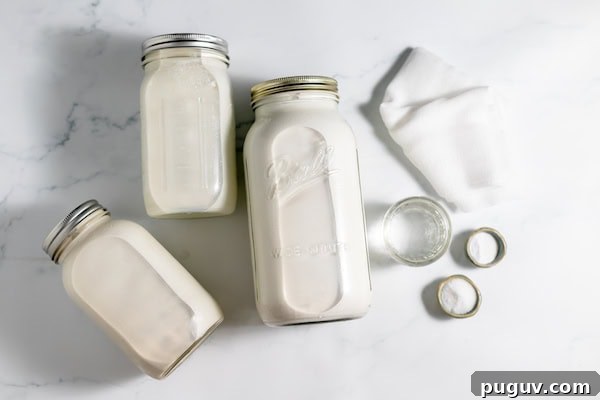
- Goat milk: Use whole goat milk. Milk that has been refrigerated for a day or two often separates into curds more readily because its pH has dropped slightly, so it’s fine to use fresh or a day-or-two-old milk.
- Lemon juice or vinegar: The acid that causes the milk to coagulate and separate into curds and whey.
- Baking soda: A small amount neutralizes the sharp acidic aroma left after coagulation, producing a rounder flavor.
- Salt: Non-iodized table salt or cheese salt to enhance flavor and help preserve the cheese.
- Herbs and spices (optional): Once the cheese is formed, roll logs or balls in herbs and seasonings. Popular coatings include garlic powder with basil, cracked pepper, smoked paprika, or dried rosemary.
How to make goat milk cheese
This fresh chèvre-style cheese is made by heating milk, adding acid to form curds, draining the whey, then neutralizing and seasoning the curds. It requires minimal equipment: a pot, thermometer, strainer or jelly bag, cheesecloth, and a bowl.
- Heat the milk gently over medium-low heat to 180–195°F (82–90°C). Higher temperatures yield firmer curds; if the milk isn’t warm enough it may not separate cleanly.
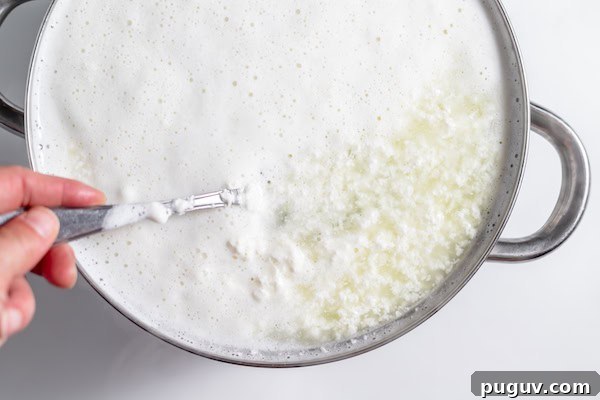
- Remove the pot from heat and stir in the lemon juice or vinegar. Stir gently and watch as the curds separate from the whey. The process often begins immediately and should be complete within a minute or two. If separation is slow, add the acid a tablespoon at a time until curds form.
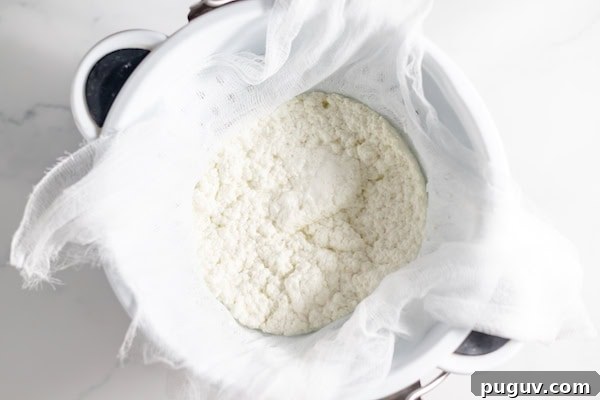
- Line a colander with 3–5 layers of cheesecloth or use a jelly strainer. Pour the curds and whey into the cloth to drain; the clear, yellowish liquid is whey.
- Let the curds drain for 15–30 minutes. For best results, tie the cheesecloth into a bag and hang it over a bucket or sink so gravity helps squeeze out the whey. Drain longer for a firmer texture and less for a softer spreadable cheese.
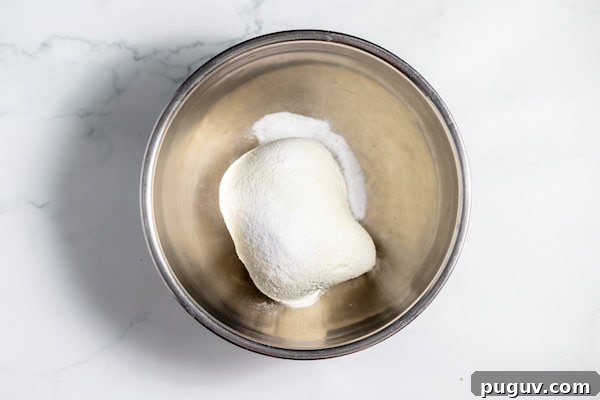
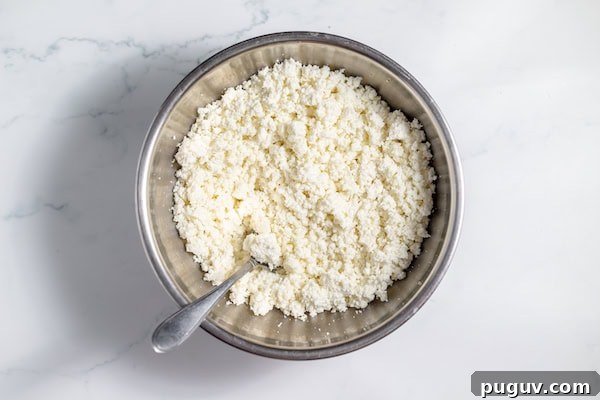
- Transfer the drained curds to a mixing bowl. Sprinkle the baking soda and salt over the curds and mix thoroughly. The baking soda tones down acidity and smooths the flavor—use sparingly and taste as you go.
- Shape the cheese into logs or small balls. Roll them in your choice of herbs or spices, or simply leave plain. Refrigerate and serve chilled with crackers, bread, or fresh vegetables.
Yield: Approximately 1 to 1.5 pounds of cheese from 1 gallon of goat milk, depending on milk composition and how thoroughly you drain the curds.
Variations and uses: roll in cracked pepper, basil and garlic powder (a very popular combination), smoked paprika, rosemary leaves, or Italian seasoning. Use this fresh goat cheese in place of ricotta in recipes, spread it on toast, serve it on a cheese board, or incorporate it into desserts that call for a mild, tangy cheese.
Tips: warm milk separates faster and produces firmer curds; drain time affects texture; and always handle milk and equipment cleanly to avoid off-flavors. Enjoy this easy, homemade goat cheese—simple to make and delicious to share.
Enjoy your fresh goat cheese—versatile, simple to make, and a wonderful way to use up surplus milk from your herd.