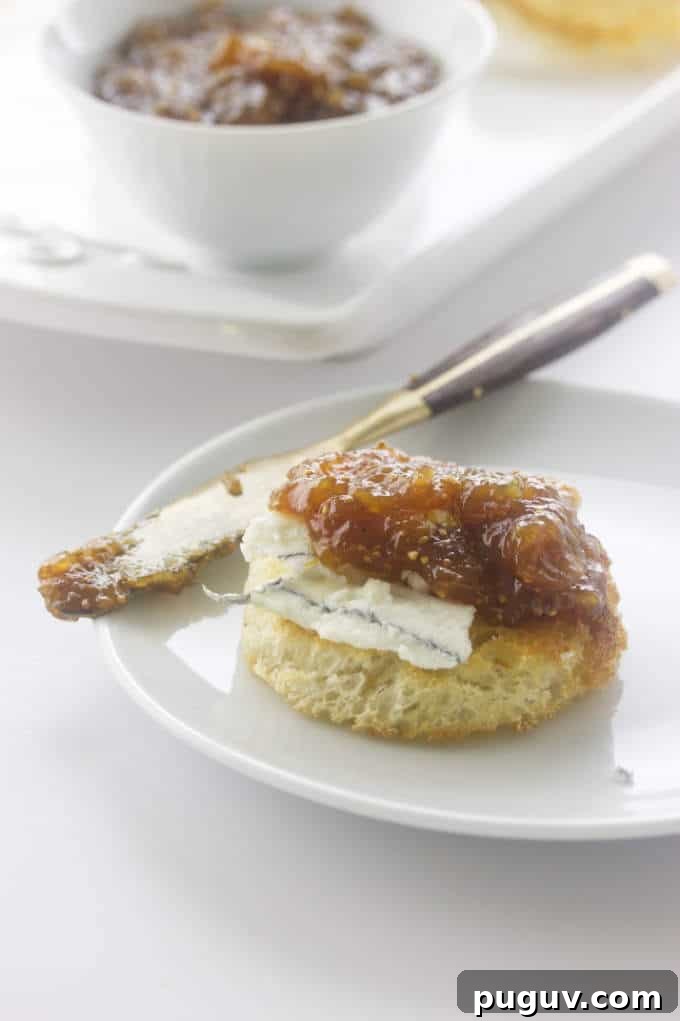
This fig jam is incredibly flavorful, quick, and simple to prepare using sun-dried figs. The concentrated sweetness of dried figs, a bright touch of lemon, and the pleasant crunch of fig seeds create a jam you won’t want to buy from the store again. Why pay six dollars for a small jar when you can make about six jars at roughly the same cost?
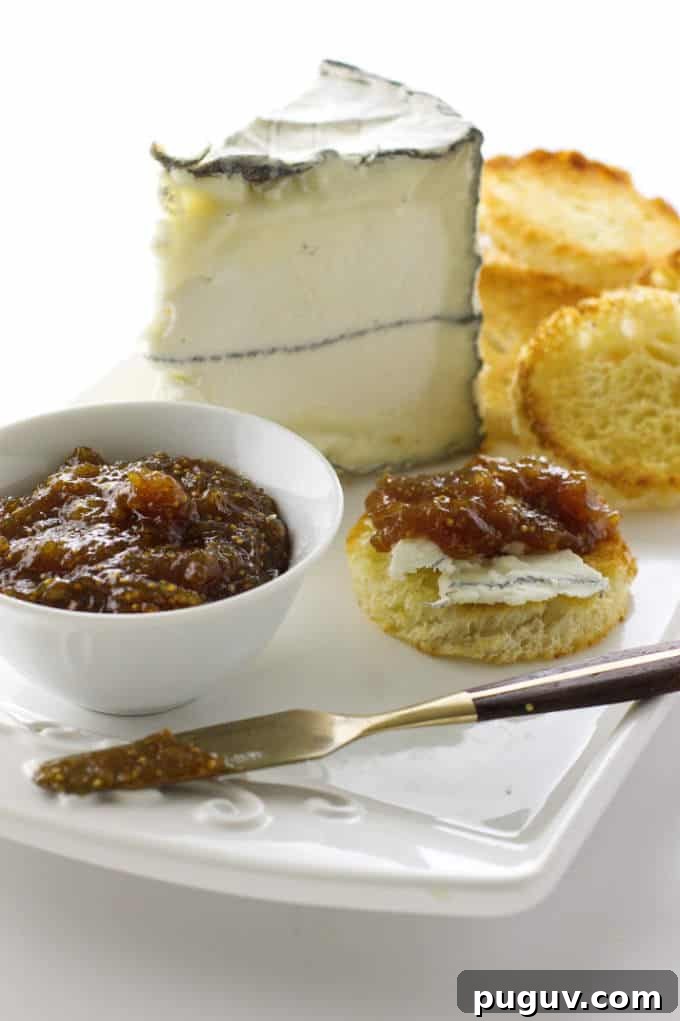
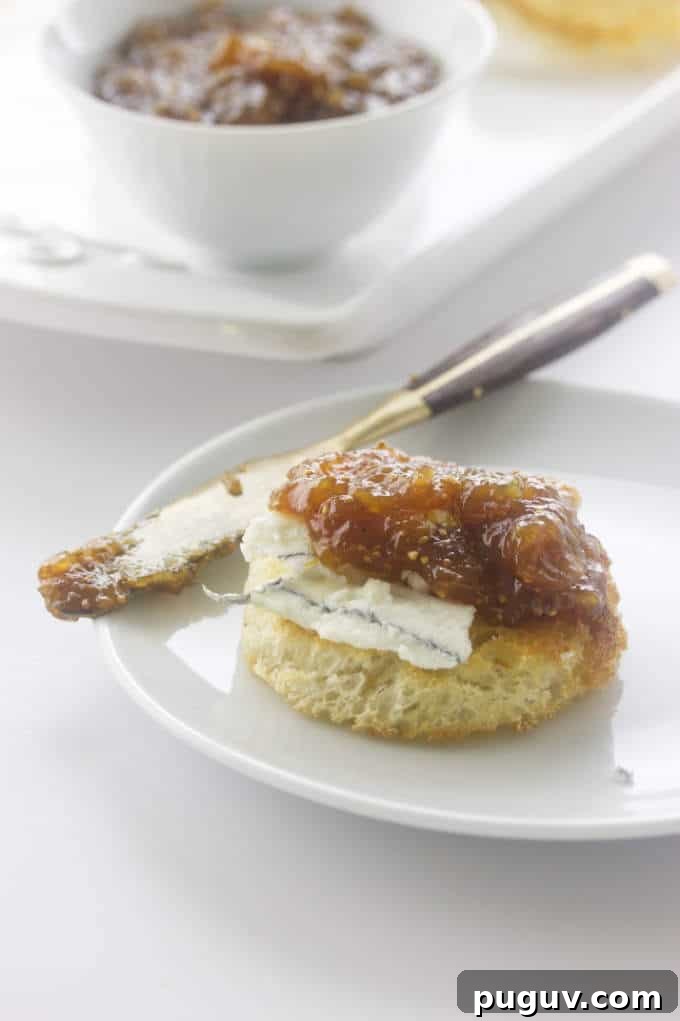
This jam is versatile and delicious. Spread it on a warm biscuit or toast for breakfast, add a dollop to bruschetta with soft goat cheese, or layer it into a hot turkey panini. Its balanced sweetness and texture make it perfect for both sweet and savory pairings.
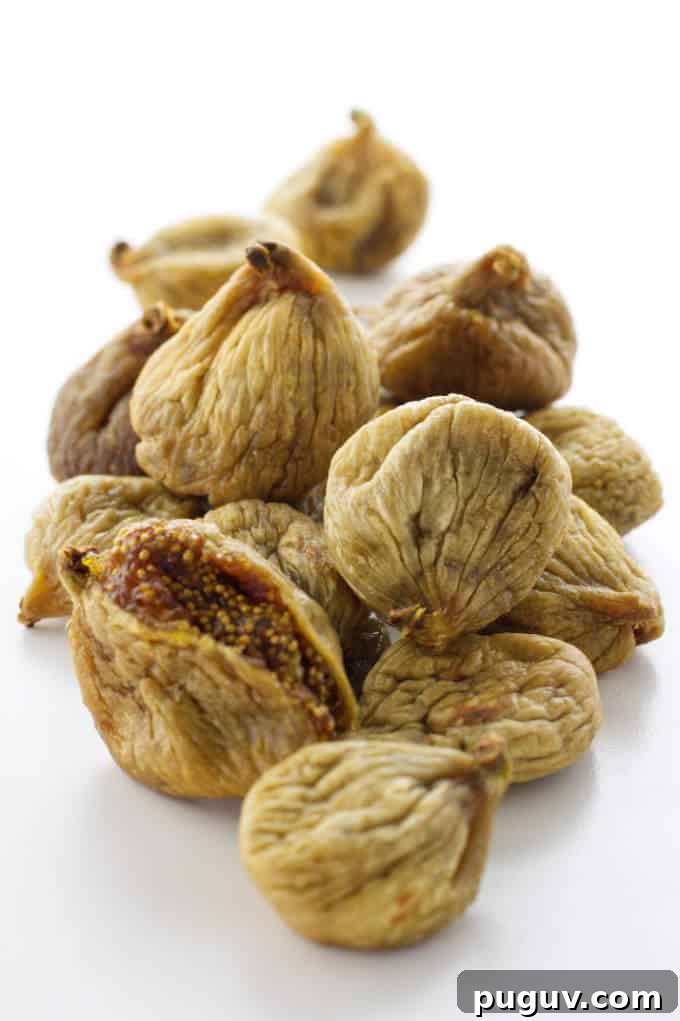
What are the best dried figs to use for fig jam?
Many fig varieties can be dried and work well for jam, but the flavor profile varies. This recipe uses dried Calimyrna figs, which offer a mild, nutty flavor. Fresh figs also make excellent jam, but they have a short shelf life—usually one to two weeks—so many growers dry their crop for longer storage and concentrated flavor.
Where do figs grow?
The Black Mission and Calimyrna are among the most common varieties in North America. Calimyrna is a hybrid of the Smyrna fig, originally from the region near Smyrna, Turkey. Turkey’s Mediterranean climate is ideal for figs, and similar climates—such as California’s—allowed growers to cultivate Smyrna cuttings that became known locally as Calimyrna.
Fresh Calimyrna figs are pale green with a nutty aroma; when dried they turn golden brown and often develop a light sugar bloom as their natural sugars crystallize. Their concentrated sweetness and texture make them a natural choice for jam.
How to make fig jam
- Place the dried figs and water in a large saucepan or Dutch oven and bring to a boil.
- Remove from heat, cover, and let the figs soak until plump.
- Use a slotted spoon to lift out the figs, reserving the soaking liquid.
- Trim and discard the stems, then roughly chop the figs.
- Return the reserved liquid to the saucepan, add lemon juice and sugar, and bring to a boil to dissolve the sugar.
- Add the chopped figs and a pinch of salt, bring the mixture to a gentle boil, then reduce heat and simmer 15–20 minutes, or until the jam has thickened to your liking.
- Remove from heat and stir in the vanilla.
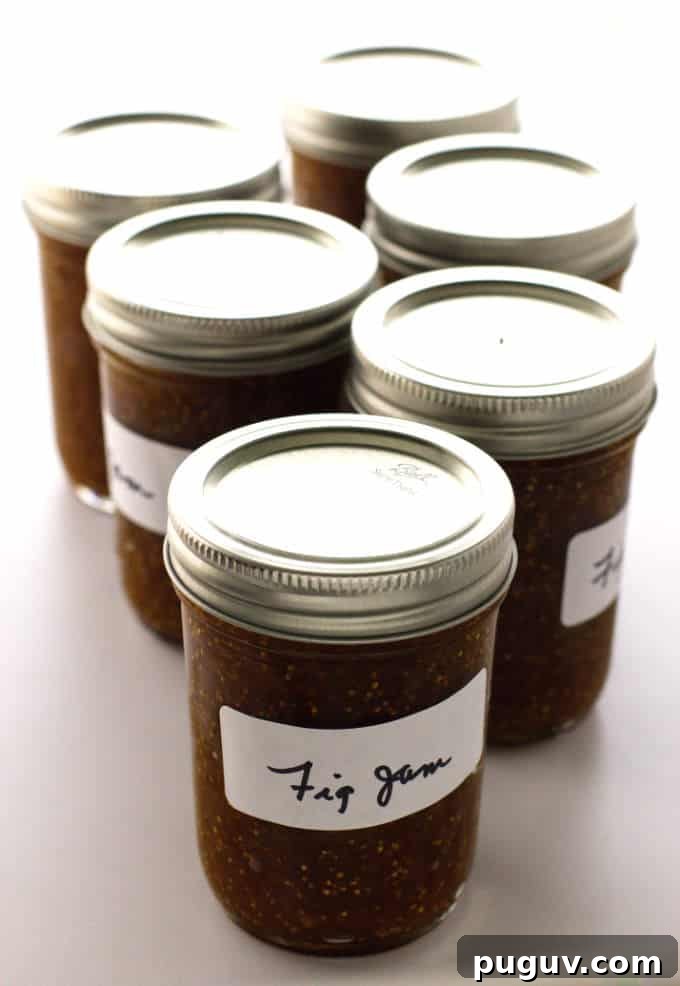
You can make this dried-fig jam any time of year. I filled six one-cup Mason jars with the hot jam, sealed them, and processed them in a boiling water bath for safe storage. These jars make thoughtful homemade gifts and keep well in the pantry once properly sealed.
More recipes you will love
- Preserved Lemons
- Fig Jam (with Dried Figs)
- Quick and Easy Immersion Blender Hollandaise Sauce
- Lamb and Beef Shawarma Spice Rub
- 28 Essential Condiment Recipes
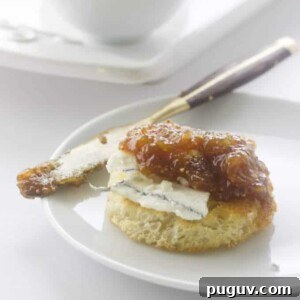
Fig Jam
If you make this recipe, please leave a star rating and comment.
Equipment
- Large saucepan or Dutch oven; ladle; 6 one-cup Mason jars with lids
Ingredients
- 28 ounces dried figs
- 4 cups water
- ½ cup fresh lemon juice
- 3 cups granulated sugar
- Pinch of salt
- 1 teaspoon vanilla extract
TOOLS:
- 6 one-cup Mason jars with lids
Instructions
- Add the figs and water to a Dutch oven or large saucepan. Bring to a boil, then remove from heat, cover, and let the figs soak until plumped. Use a slotted spoon to remove the figs, reserving the soaking liquid. When the figs are cool enough to handle, trim off and discard the stems, then chop the figs and set aside.
- Add the reserved liquid, lemon juice, and sugar to the saucepan and bring to a boil to dissolve the sugar. Reduce heat and simmer briefly, then add the chopped figs and a pinch of salt. Bring back to a boil, reduce heat to low, and simmer 15–20 minutes until the jam thickens. Remove from heat and stir in the vanilla.
- Ladle the hot jam into hot, sterilized jars, leaving ¼ inch headspace. Seal the jars according to standard canning instructions and process in a boiling water bath for 15 minutes. Allow jars to cool and check seals before storing.
- Yields: About 6 cups. Serves: 36 (2 tablespoons each).
Nutrition
Calories: 61 kcal,
Carbohydrates: 16 g,
Sodium: 4 mg,
Sugar: 15 g
Nutrition information is automatically calculated and should be used as an approximation.
 Like this recipe? Rate & comment below!