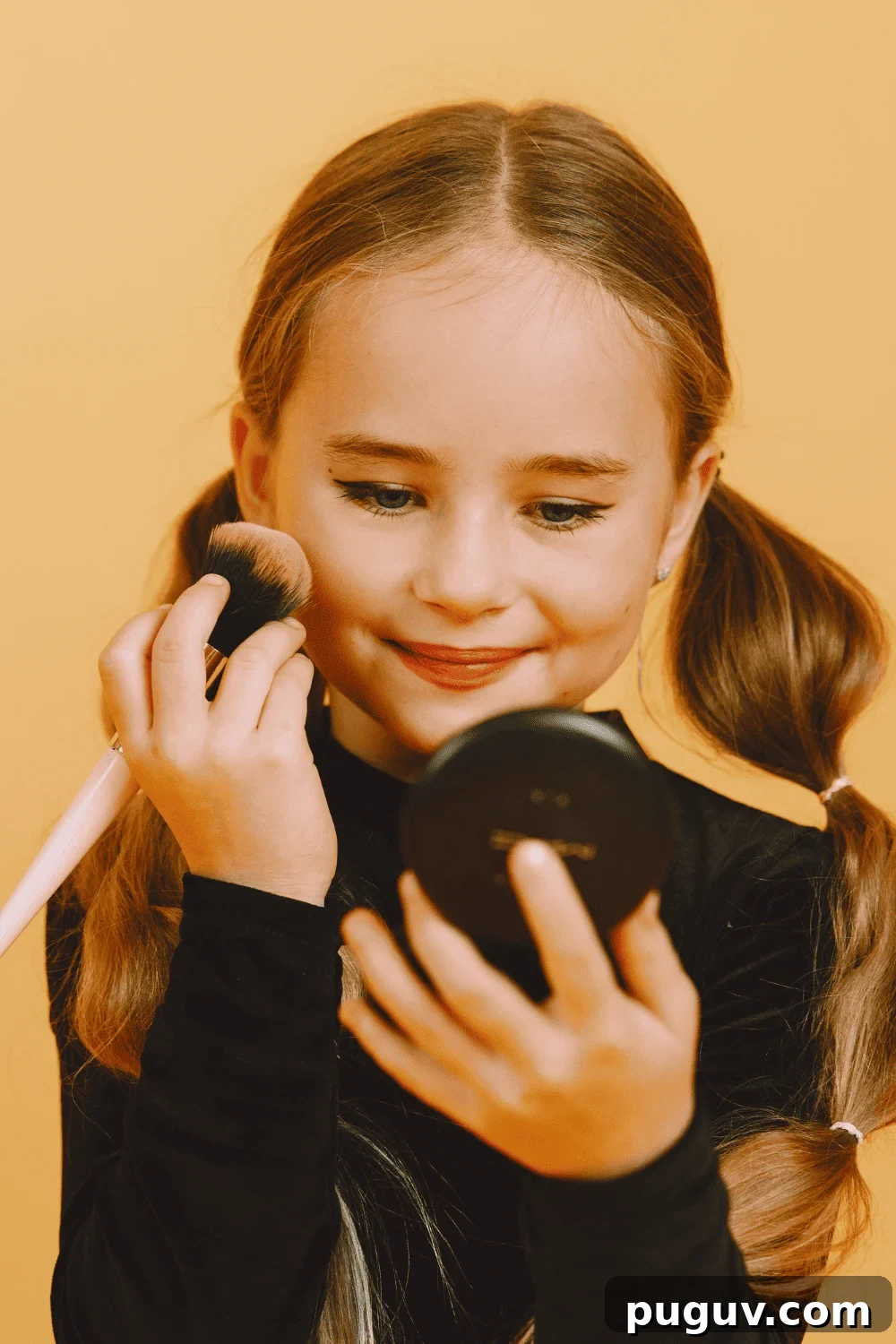
The beauty world keeps changing, and social media has made makeup more accessible than ever to all ages. Still, concerns about ingredients in conventional makeup—especially for kids, tweens, and teens—have grown. That’s why demand is rising for non-toxic, natural, and organic makeup kits designed with younger users in mind.
It remains legal in many places for cosmetics to include endocrine disruptors, allergens, and other harmful chemicals. That’s particularly concerning for children and adolescents, who are undergoing critical stages of hormonal and physical development.
Adolescence is an ideal time to teach children how to choose safer cosmetics and personal care products. Those lessons can set lifelong habits.
This guide explains why non-toxic, natural, and organic makeup is a better option for young people, highlights ingredients to avoid, and recommends brands that prioritize safety and transparency.
What this guide covers:
- Why Choose Non-Toxic Kids Makeup?
- The Best Non-Toxic, Natural, & Organic Makeup Kits for Kids & Tweens
- Klee Naturals
- True Bloom
- Jovy
- Prim & Pure
- Honey
- Evereden
- Best Clean Makeup Brands For Teens
- 100% Pure
- Honest
- Fat And The Moon
- Toxic Chemicals To Avoid In Makeup for Tweens, Teens, and Kids
- Parabens
- PEGs & Other Ethoxylated Ingredients
- Fragrance
- Butylated Compounds
- Mineral Oil
- Talc
- Lead
- The Benefits Of Purchasing Safe Makeup For Kids
- Keeping Them From Sharing Others’ Not-So-Desirable Makeup
- Providing an Opportunity for Ingredient Education and Awareness
- Encouraging Self-Care and Mindfulness Habits Early
- Establishing A Skincare Cleansing Routine
- Promoting Hygiene And Proper Care Of Cosmetic Instruments
- 🍋 Join Thousands of Subscribers Reducing Toxic Chemicals
This guide includes product recommendations and the author may receive compensation from certain links. Recommendations reflect the author’s genuine opinions.
Why Choose Non-Toxic Kids Makeup?
Cosmetics are not regulated as strictly as food and drugs in many countries. Existing laws often give regulators limited authority to require safety testing or to remove harmful ingredients.
Because of gaps in regulation, many conventional makeup products—including items marketed to kids—can contain potentially harmful ingredients that may affect health when used regularly over time.
Investigations of children’s cosmetics and face paints have repeatedly found common contaminants and questionable ingredients. Some of the most frequently detected substances in tested kids’ makeup include parabens, ethoxylated ingredients, undisclosed fragrances, BHT, mineral oil, talc, and heavy metals.
Those findings underscore why choosing safer makeup formulations matters, especially for young users whose bodies are still developing.
The Best Non-Toxic, Natural, & Organic Makeup Kits for Kids & Tweens
Below are recommended brands that make non-toxic, natural, and organic makeup kits suitable for kids roughly aged 9–12. Each brand listed focuses on cleaner ingredient choices, safer preservatives, and transparency.
Klee Naturals
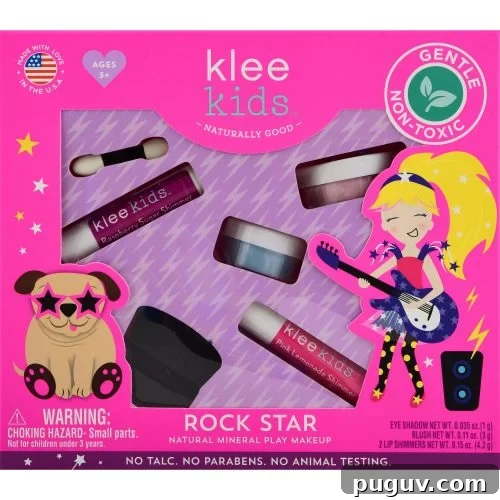
Klee Naturals is known for clean play makeup made with ingredients such as beeswax, shea butter, and natural minerals. Their formulas avoid talc, parabens, phthalates, FD&C dyes, and gluten. They offer lip glosses, eyeshadows, and water-based nail polish, plus hair and body care items made in the USA.
True Bloom
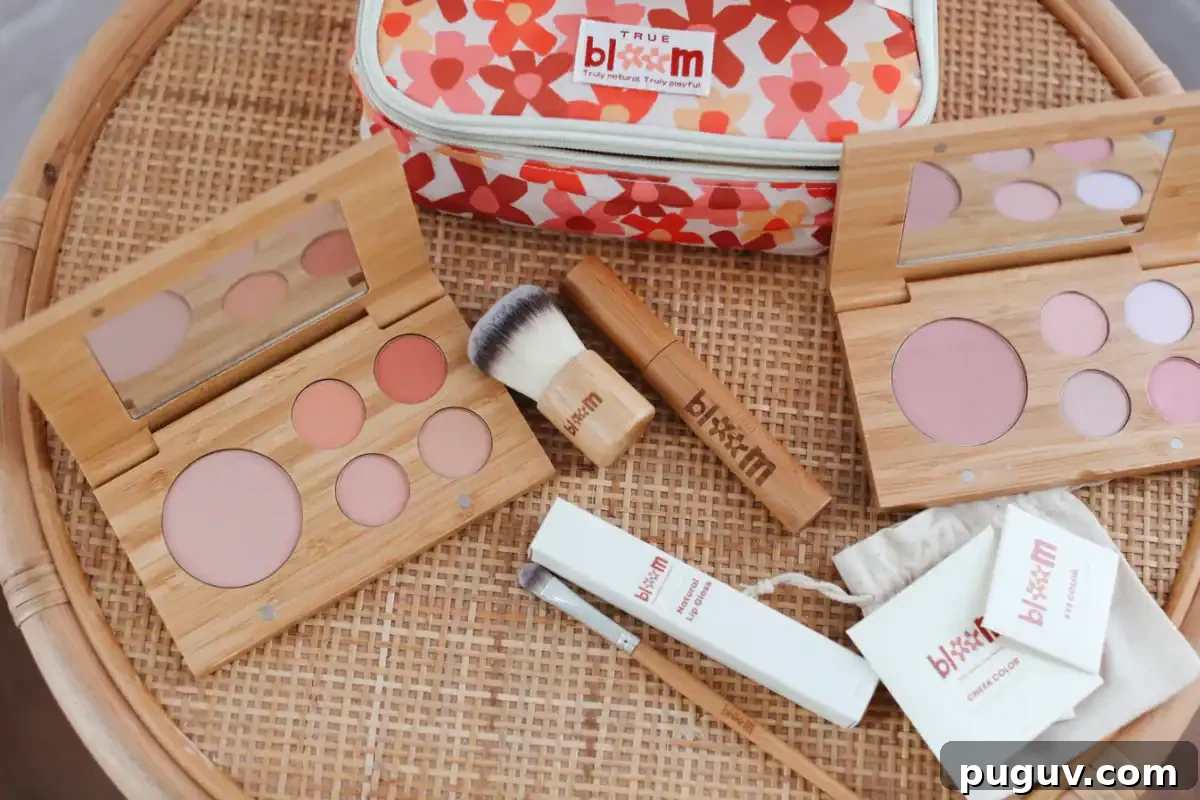
True Bloom focuses on natural ingredients and lower-plastic packaging, often using bamboo. Their product range includes eyeshadow, blush, lip gloss, and nail polish. The brand emphasizes clean formulations free from parabens, silicones, phthalates, petroleum, and talc.
Jovy
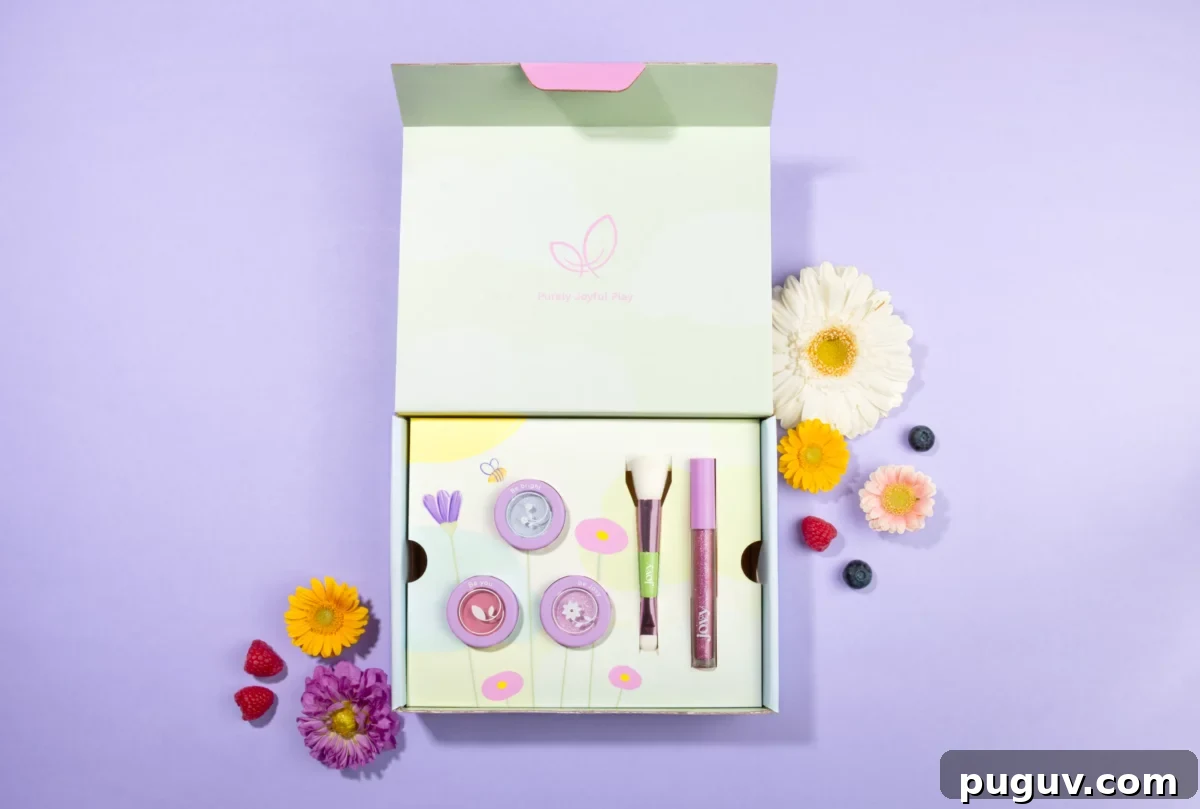
Jovy is a plant-based, vegan, cruelty-free, and nut-free brand making kids’ makeup. Their products avoid phthalates, parabens, petrochemicals, synthetic dyes, fragrances, and talc. Jovy lists fragrance components when used and offers kits with glosses, pressed powders, and playful skin stencils.
Prim & Pure
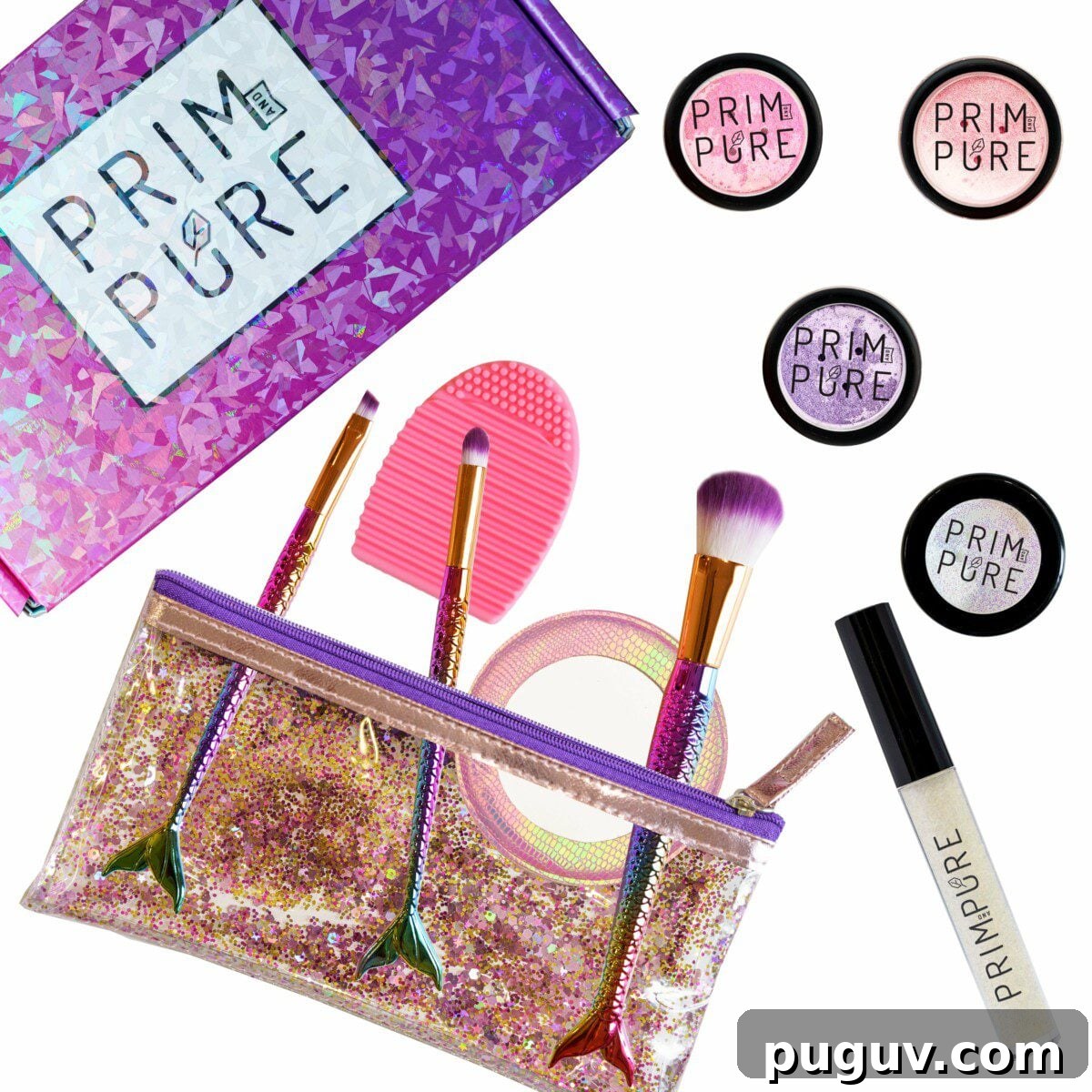
Prim & Pure offers fun mineral-based palettes, lip products, and accessories using natural, non-toxic ingredients. Many items include USDA-certified organic components. While most formulations are clean, a few products contain ingredients like dimethicone; review labels if this is a concern.
Honey
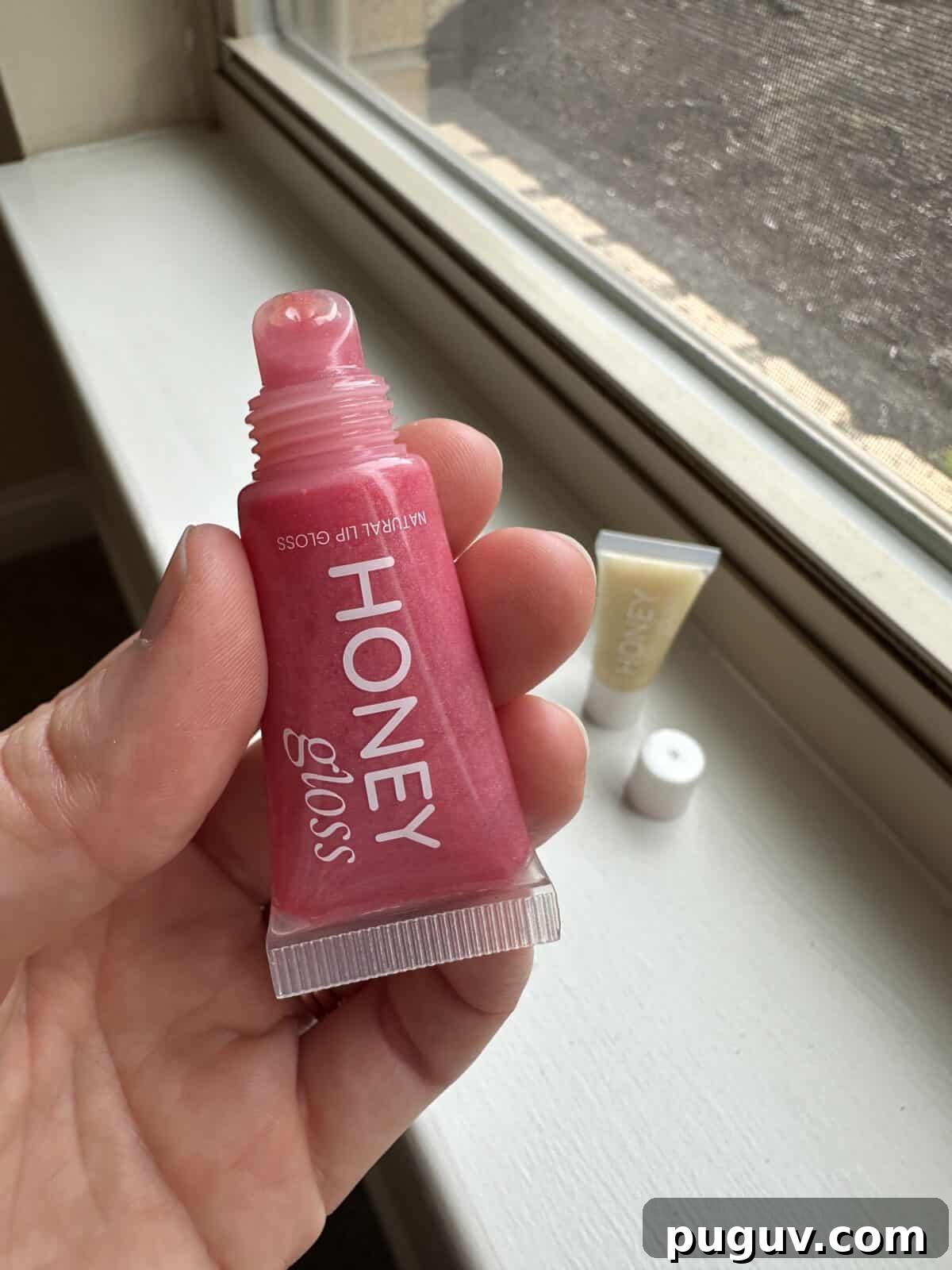
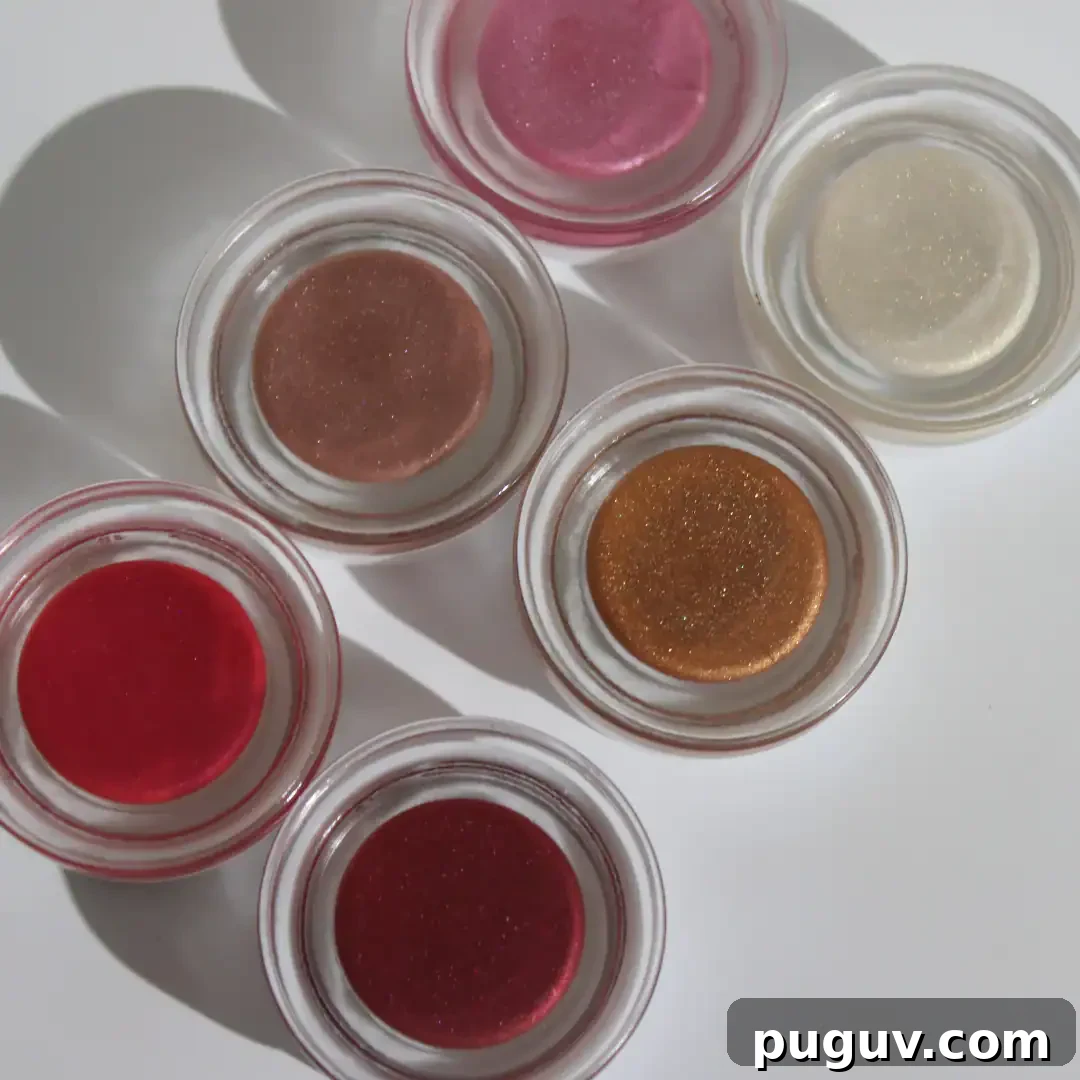
Honey’s lip glosses and glow balms use minimal, natural ingredients like castor and jojoba oils, candelilla wax, mica, and organic stevia. Their lightweight textures and subtle colors make them suitable for kids who prefer low-intensity makeup.
Evereden
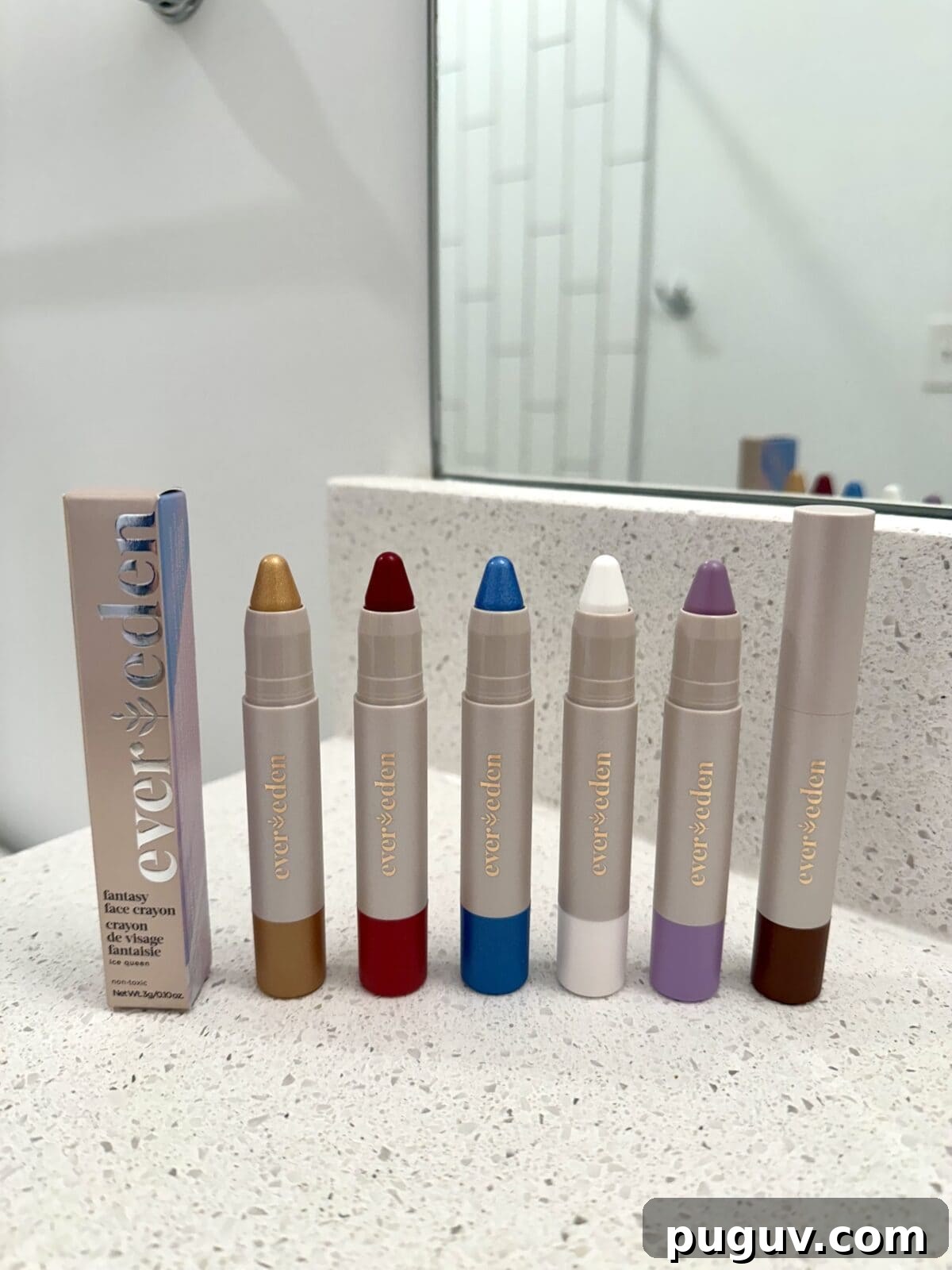
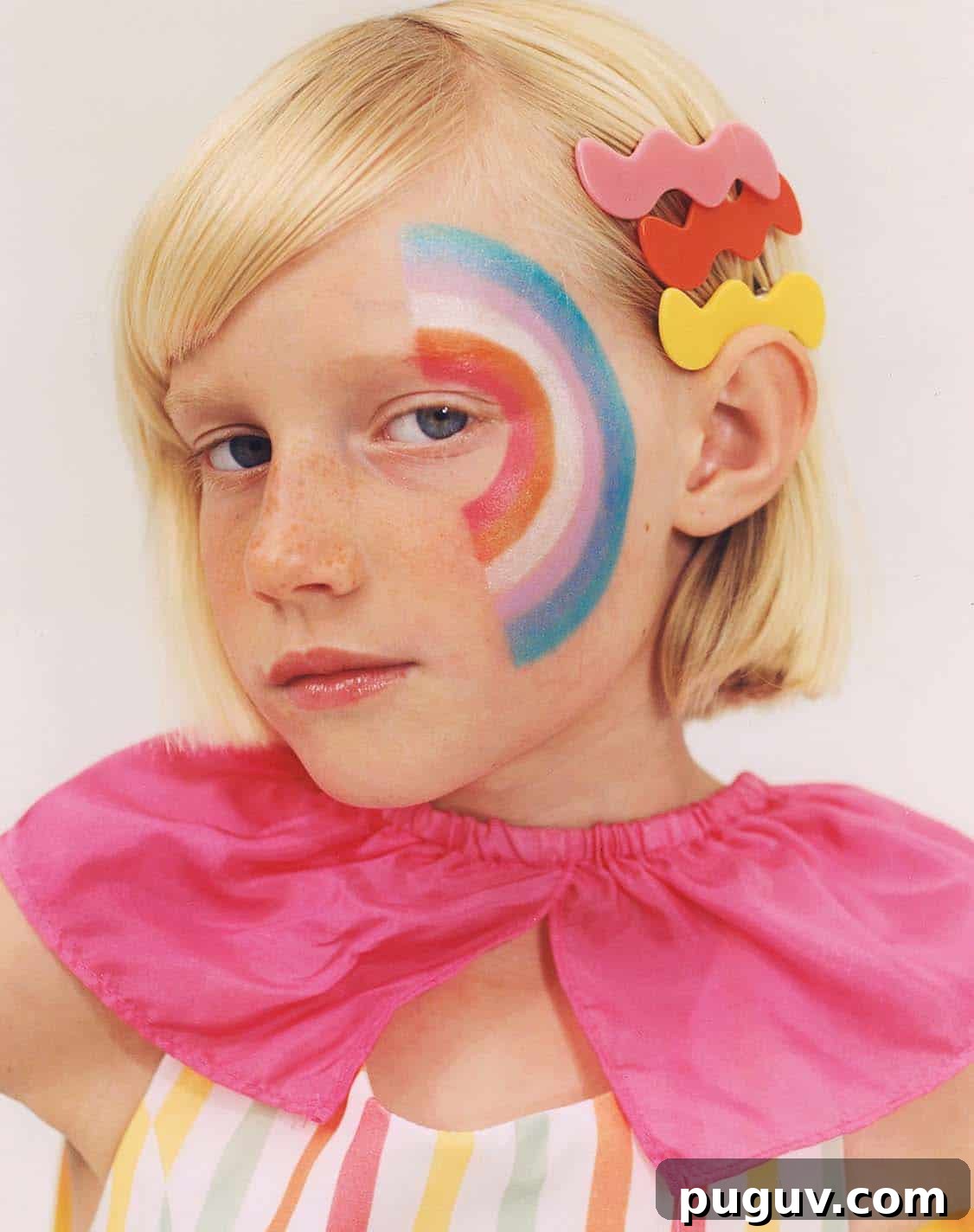
Evereden offers multi-use face crayons and other kids’ makeup formulated to be vegan and gluten-free. Some products use synthetic D&C colorants and undisclosed fragrance in specific items, so check ingredient lists if you prefer fully natural formulations. Their colorful face crayons are popular with younger children for play and creative looks.
Best Clean Makeup Brands For Teens
For teens (roughly ages 13–19), there are clean brands that combine trend-forward colors with safer ingredient profiles and more mature product choices. These brands tend to offer a wider range of shades and multi-purpose items while prioritizing natural or organic components.
100% Pure
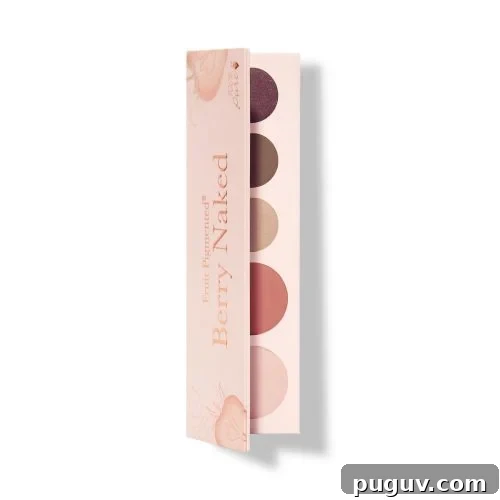
100% Pure uses fruit pigments and natural extracts in many products instead of synthetic dyes. The brand is cruelty-free and offers a wide selection of makeup, from eyeshadows to lip products, with many organic ingredients.
Honest
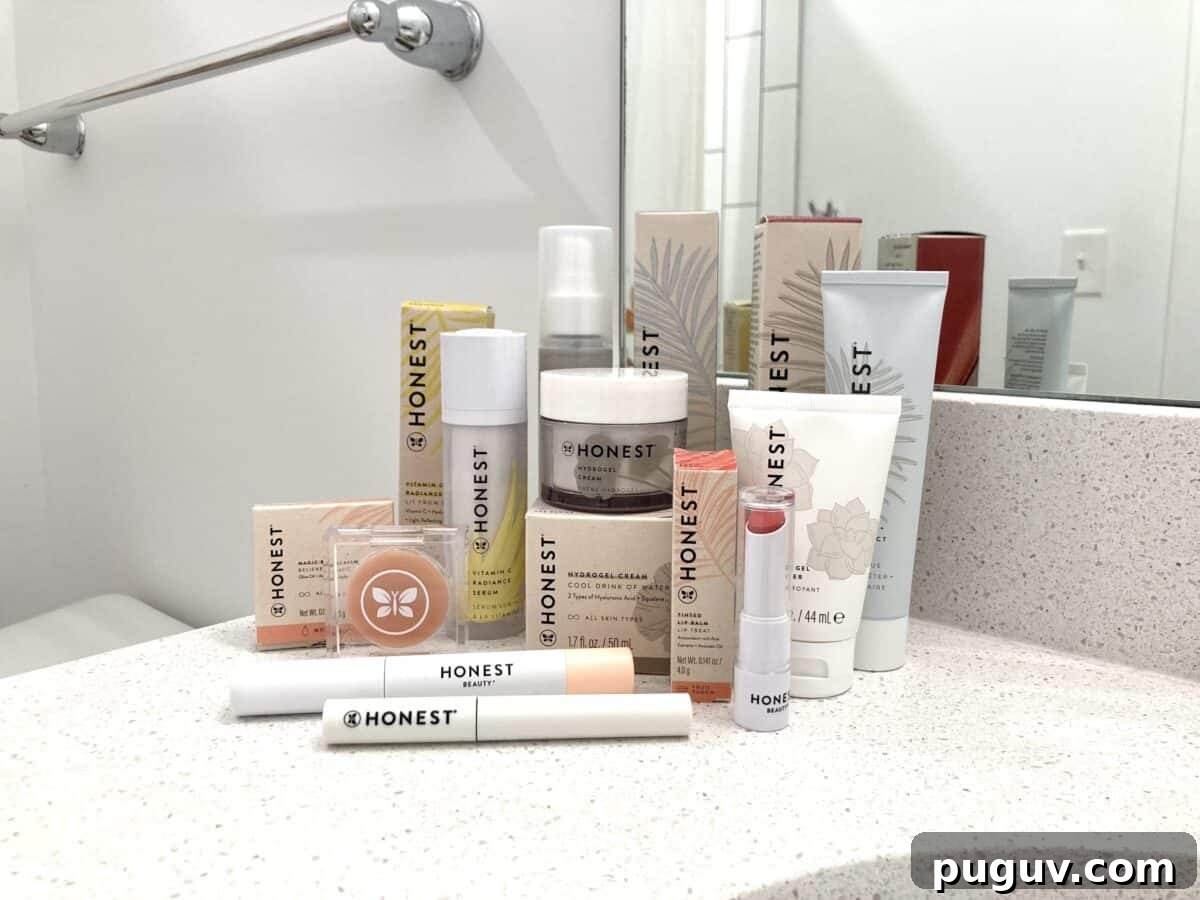
Honest offers affordable, easy-to-use makeup options suited to teens who want simple coverage and a pop of color. The brand prioritizes safer ingredients across its skincare and cosmetic lines, making it a solid pick for beginners.
Fat And The Moon
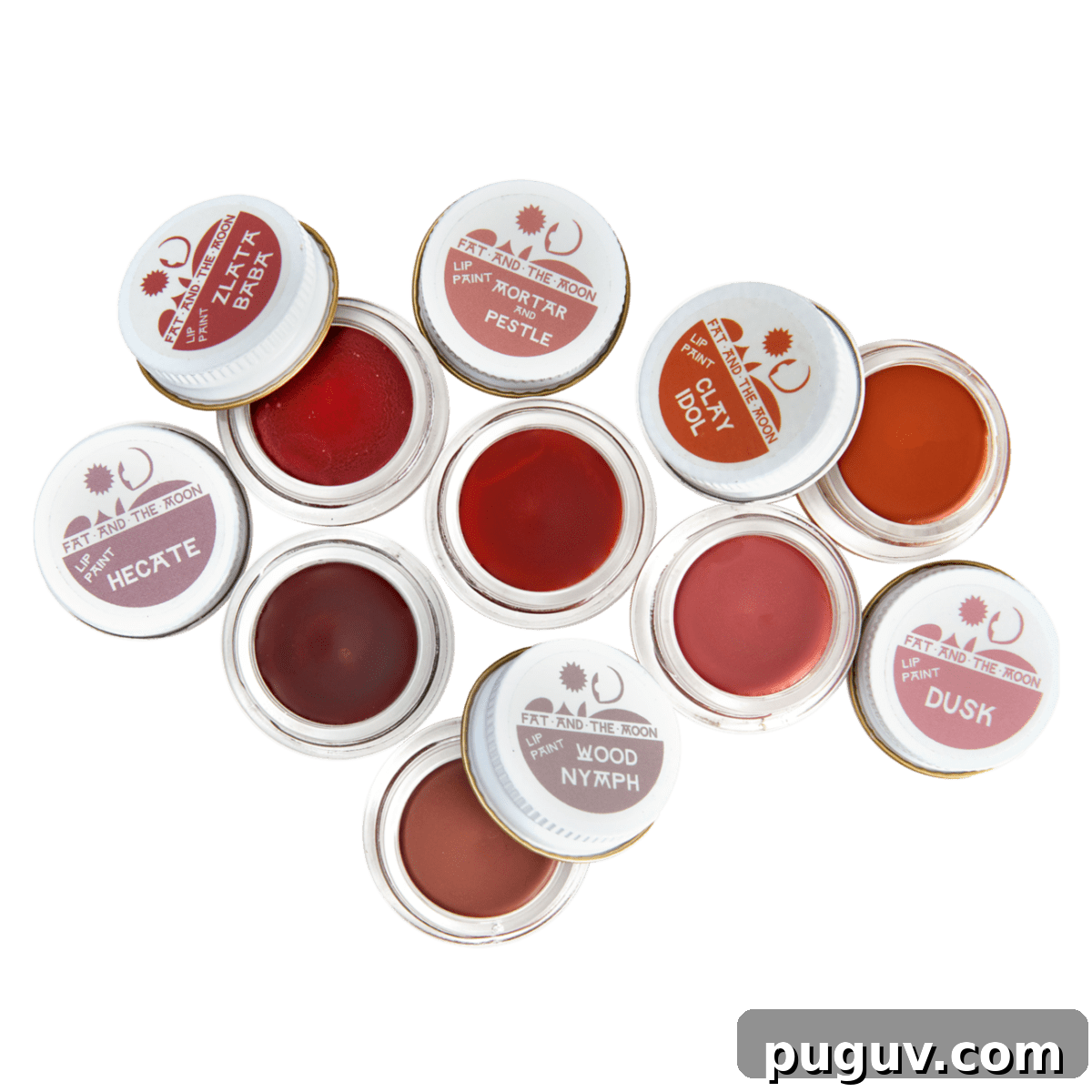
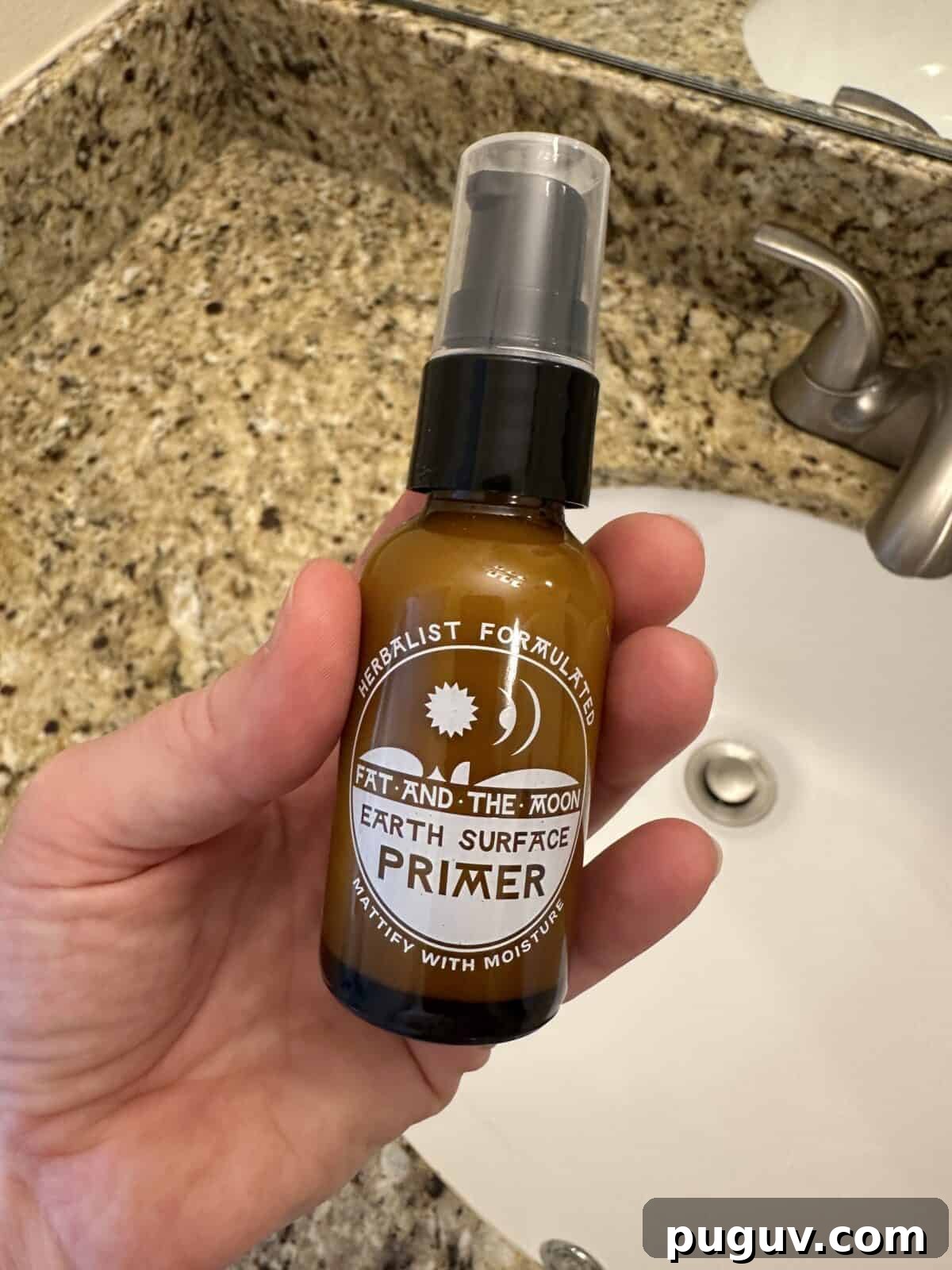
Fat And The Moon creates handcrafted, herbal-based makeup and body products. Their offerings are multipurpose and often use organic and traditional herbal ingredients. These items appeal to people who prefer small-batch, artisanal formulations made in the USA.
Related Guides:
Body
Natural Skincare for Teens & Tweens (11 Organic & Non-Toxic Brands)
Body
The Best Non-Toxic & Natural Deodorant for Kids & Teens
Body
Clean Makeup for Tweens: These 8 Brands Are Safe For Kids, Tweens, & Teens
Toxic Chemicals To Avoid In Makeup for Tweens, Teens, and Kids
Parabens
Parabens are preservatives used to prevent microbial growth. They’re common in cosmetics but are linked to endocrine disruption and other health concerns. Safer, natural preservative alternatives exist and are increasingly used by clean brands.
PEGs & Other Ethoxylated Ingredients
Ethoxylated ingredients such as PEGs can be contaminated with residues like ethylene oxide and 1,4-dioxane from processing. These contaminants are linked to cancer and reproductive harm, and they may not appear on labels because they are impurities rather than intentional ingredients.
Fragrance
The term “fragrance” or “parfum” can hide many individual chemicals. In some jurisdictions, companies can protect fragrance formulas as trade secrets, leaving potentially harmful components undisclosed. Phthalates, often associated with fragrances, are endocrine disruptors and should be avoided in kids’ products.
Butylated Compounds
BHT and BHA are synthetic antioxidants used to extend shelf life. Some studies have linked BHA to reproductive and developmental toxicity and to cancer. BHT’s safety is debated, and related compounds may be derived from solvents like toluene, which carries known risks.
Mineral Oil
Mineral oil comes from petroleum and can contain polycyclic aromatic hydrocarbons (PAHs), which are potential carcinogens. Many cleaner brands use plant-based oils as alternatives.
Talc
Pure talc is inert, but talc mined in some areas can be contaminated with asbestos, a known carcinogen. For that reason, many brands avoid talc and use safer alternatives like mica or mineral pigments.
Lead
Lead contamination has been found in some lip products. Because lip balms, glosses, and lipsticks are often ingested in small amounts, choosing lead-free lip products for children and teens is prudent.
The Benefits Of Purchasing Safe Makeup For Kids
Choosing non-toxic makeup for tweens reduces exposure to harmful chemicals and offers practical benefits beyond ingredient safety.
Keeping Them From Sharing Others’ Not-So-Desirable Makeup
When kids have their own clean makeup sets, it reduces the likelihood they’ll borrow or share products that could be contaminated or contain undisclosed ingredients.
Providing an Opportunity for Ingredient Education and Awareness
Teaching young people about ingredient labels and safer alternatives helps turn confusion into empowerment. Small changes can reduce exposure quickly; studies show that avoiding products with endocrine-disrupting chemicals can lower internal exposure within days.
Encouraging Self-Care and Mindfulness Habits Early
Makeup can be both playful and empowering when approached mindfully. Introducing cosmetics in a way that emphasizes self-expression, not pressure to meet beauty norms, supports healthy attitudes toward appearance.
Establishing A Skincare Cleansing Routine
Starting good skincare habits early—such as removing makeup before bed and cleansing properly—helps prevent breakouts and teaches responsibility for personal care. Non-toxic makeup paired with a gentle routine supports skin health.
Promoting Hygiene And Proper Care Of Cosmetic Instruments
Keeping brushes, sponges, and tools clean reduces bacteria and oil buildup. Dermatologists typically recommend cleaning tools regularly; a mild soap and water routine is usually sufficient. Choosing eco-friendly brushes and teaching proper care helps maintain hygiene.
Letting a tween or teen start wearing makeup can feel like a milestone. Choosing natural, non-toxic, and organic options creates opportunities to teach ingredient awareness, hygiene, and mindful self-expression—habits that will benefit them for years to come.
Sign up for a trusted newsletter or follow reliable resources to stay informed about safer products and the latest news about chemicals in personal care.