

This post is part of a series from my visit to Dr. Bronner’s Fair Trade coconut oil project, Serendipol, in Sri Lanka in July 2014.
This is Part 2, following my previous piece “What Fair Trade Looks Like.”
Buying Fair Trade supports workers and the businesses they work for, but it also channels funds into the surrounding communities. Fair Trade programs typically include a dedicated community fund used for local projects. Below I share examples from Serendipol, the supplier of Dr. Bronner’s Regenerative Organic Coconut Oil, based near Kuliyapitiya, Sri Lanka.
One of the highlights of my trip was visiting several community projects supported by Serendipol. They support many initiatives; here I describe three that I had the chance to see.
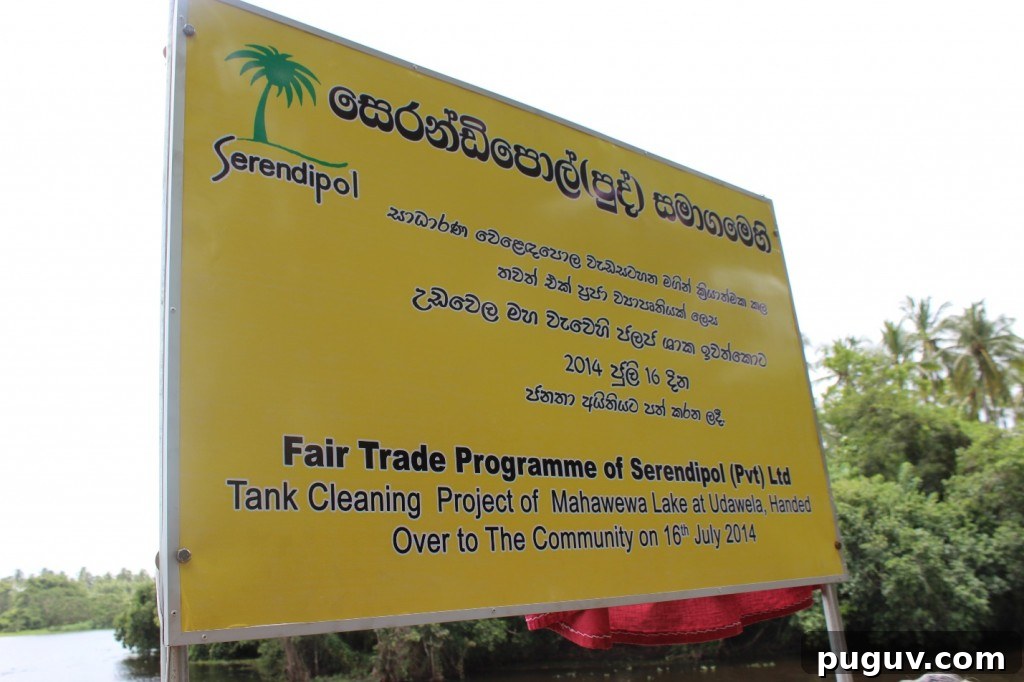
Project #1: Tank Cleaning
Sri Lanka has a long history of sophisticated water management. Across the region of Kuliyapitiya alone there are more than 4,000 irrigation tanks — reservoirs and canals that historically enabled farmers to harvest two rice crops per year.
Many of those tanks are now clogged by invasive water hyacinth. The history is striking: during World War II, water hyacinth was deliberately introduced to disguise water bodies from enemy pilots by making them look like land. The plants spread widely and, after the war, no coordinated effort removed them. Decades later, tanks remain choked by hyacinth, which reduces available irrigation water by roughly half and forces farmers to drop from two rice crops a year to one.

Serendipol committed to cleaning up to ten tanks each year in the Kuliyapitiya area; so far they have cleared 20. Their approach pairs Serendipol’s funding for equipment with labor provided by the local farmers who rely on each tank. That partnership fosters community ownership, which is important for long-term maintenance after the initial cleanup.
I attended a ceremony marking the completion of one cleaned tank, and the transformation was remarkable.

Restoring a tank doubles the available irrigation water for nearby farmers. It also raises groundwater levels, improving water availability in household wells around the tank. In addition, the removed water hyacinth provides organic material that Serendipol uses in its compost production, turning an environmental problem into a resource.
Project #2: Organic Compost
Serendipol operates an organic compost facility that benefits farmers, the company’s operations, and the local environment. The Fair Trade community fund subsidizes the compost, allowing Serendipol to sell it to coconut farmers at a price comparable to government-subsidized chemical fertilizers.
The compost production closes an elegant loop: inputs include coconut husks from Serendipol’s processing, harvested water hyacinth from tank cleanups, organic chicken litter, and cow manure. These materials are combined and composted into nutrient-rich soil amendment.
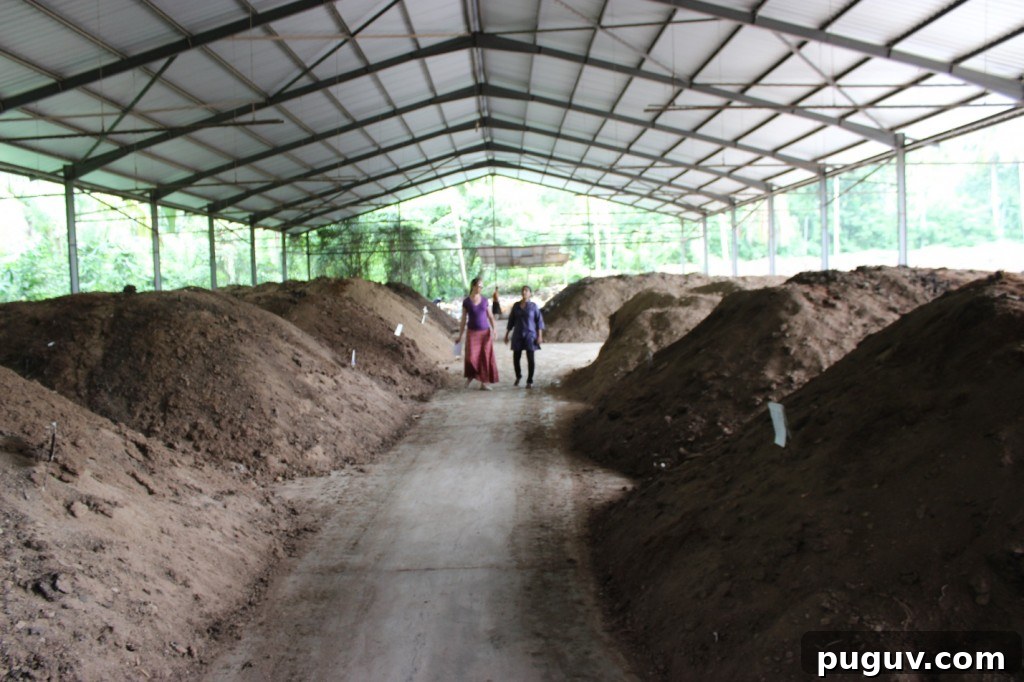
The finished compost is bagged in 25-kilo sacks and sold back to the farmers. The farmers use it to nourish their coconut trees, which in turn produce husks that return to the compost system. This circular approach reduces waste, lowers reliance on chemical fertilizers, and supports soil health and productivity.
Project #3: Vocational Training
Serendipol also invests in people through a vocational training program near the factory. A government-run home for girls provides shelter and education, but when girls leave at 18 they often lack marketable skills. Serendipol purchased 12 industrial sewing machines and funds an instructor so girls aged 14–18 can learn sewing and garment construction.
When we visited, the class was preparing for an exhibition. I was impressed by the students’ proficiency: they handled high-speed machines with accuracy and produced finely detailed handwork. The program equips young women with a trade they can use to earn a living when they leave the home.
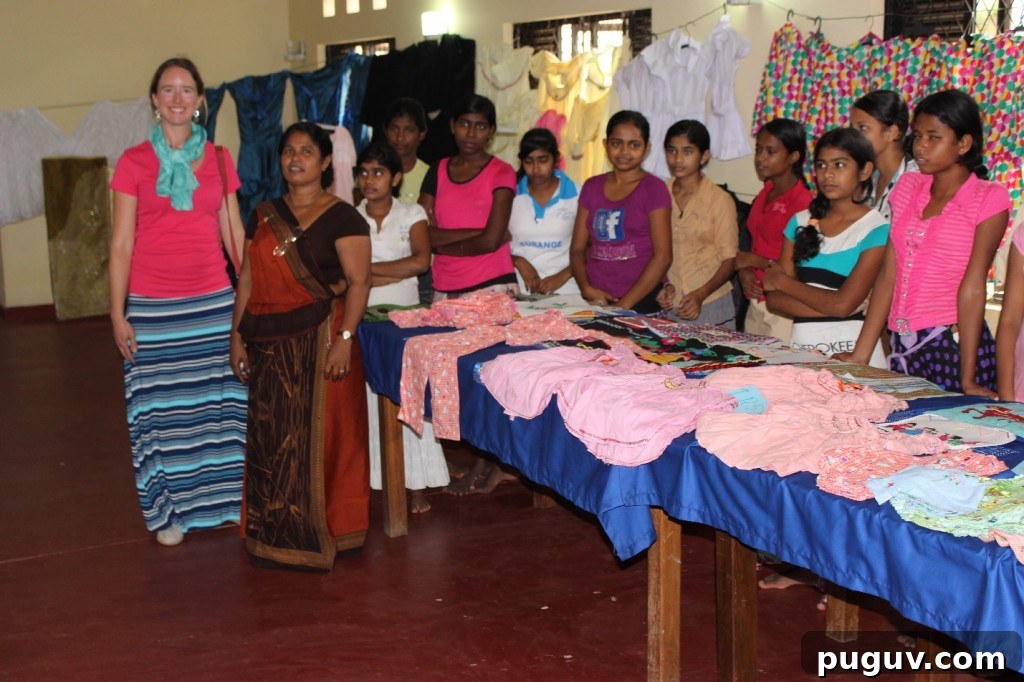
I could have used a lesson or two from this talented teacher and her students.


The stitching and embroidery I saw were intricate and professional, demonstrating that these young women are gaining real, marketable skills.
These three projects—tank cleaning, compost production, and vocational training—are just a sampling of Serendipol’s Fair Trade initiatives. Other efforts include digging wells and installing school bathrooms, supplying medical equipment to a cancer treatment center in Jaffna, extending electrical connections to villages, and renovating bridges. Each project addresses local needs while strengthening community resilience.
Serendipol’s programs illustrate how Fair Trade funds can deliver tangible, lasting benefits to communities. When consumers choose Fair Trade products, they support projects like these that restore ecosystems, build local economies, and empower people.
Further reading
- Making Ethical Palm Oil a Reality
- “Journey to Serendipol” – The Beauty of Fair Trade
- “Regenerative” Merges 3 Key Certifications
- A Guide to Buying Fair Trade