
Even if you buy nontoxic cookware and organic vegetables, your kitchen is only as safe as the products you use to clean it. Below is a curated list of my favorite non-toxic, eco-friendly cleaning products for the home—options that emphasize natural ingredients and reduced waste.

Have you been cleaning more than usual? Doing more laundry? Wiping more surfaces? Same here.
I’ve been planning this roundup of natural, low-waste cleaners for months, and a recent surge in demand for sanitation supplies finally pushed me to write it. Around the time I read The Wellness Project, I switched all my home cleaners to non-toxic options. Many mainstream brands now offer safer formulas that you can pick up at grocery stores, but I became increasingly concerned about the single-use plastic waste they generate.
For example, many popular multi-surface sprays use bottles that aren’t designed to be reused, effectively making them single-use plastics. Fortunately, a number of newer direct-to-consumer companies are tackling that problem by offering refill programs, reusable bottles, and low-waste packaging.
Below are the products and brands I’ve tried, plus notes on a few others I evaluated for their environmental footprint. Each option has pros and cons, but combined they can drastically reduce single-use plastic in your cleaning routine.
With health and hedonism,
Phoebe
THE BEST REUSABLE CLEANING SUPPLIES
Low-waste basics: We use less than one paper towel roll every few months because we’ve largely switched to reusable rags. We keep about two dozen multipurpose kitchen towels that serve as napkins at the table; when they’re too stained for that use they move to cleaning duty under the sink.
If you don’t want a branded reusable bottle set, consider buying a glass bottle set for refills. Glass is heavier and less shatter-resistant than plastic, but it avoids long-lived single-use plastics. Another investment that reduced our disposable cleaning waste was replacing disposable floor pads with a robotic vacuum—an expensive choice but one that means fewer single-use products in the long run. For dusters, reusable microfiber or cotton options work well.
THE BEST LOW WASTE NON-TOXIC CLEANING PRODUCTS
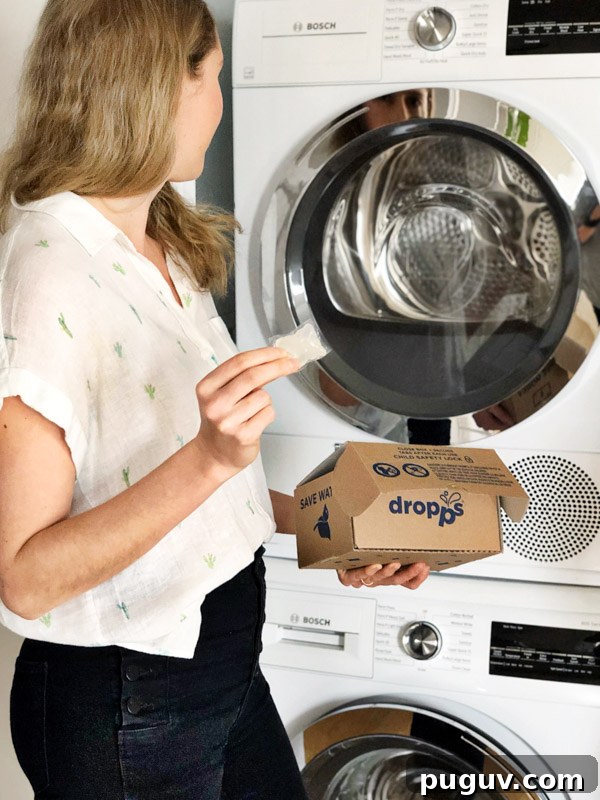
Dropps – Non-Toxic Laundry and Dishwasher Detergent Pods
Dropps offers laundry and dishwasher pods that arrive in cardboard packaging designed to minimize waste. The packages double as shipping containers, and the pods dissolve cleanly and perform exceptionally well. I prefer their lavender scent, but the unscented formulas are also effective. Dropps has been reliably effective on dishes and laundry while keeping packaging minimal—an excellent choice if your priority is reducing single-use plastic and maintaining cleaning performance.
Blueland – Non-Toxic Surface Cleaners, Foaming Hand Soap and Dish Soap Powder
Blueland’s system emphasizes “refill is the new recycle.” Their reusable bottles are sturdy and attractive, and refills come as tablets wrapped in compostable paper. I like their lemon scent and find the cleaners effective. Note: some of Blueland’s spray bottles can be fragile, so I recommend using your own durable spray bottle and buying refill tablets. The hand soap bottle is glass and performs well, and the powder dish soap with a shaker bottle is a smart low-waste option.
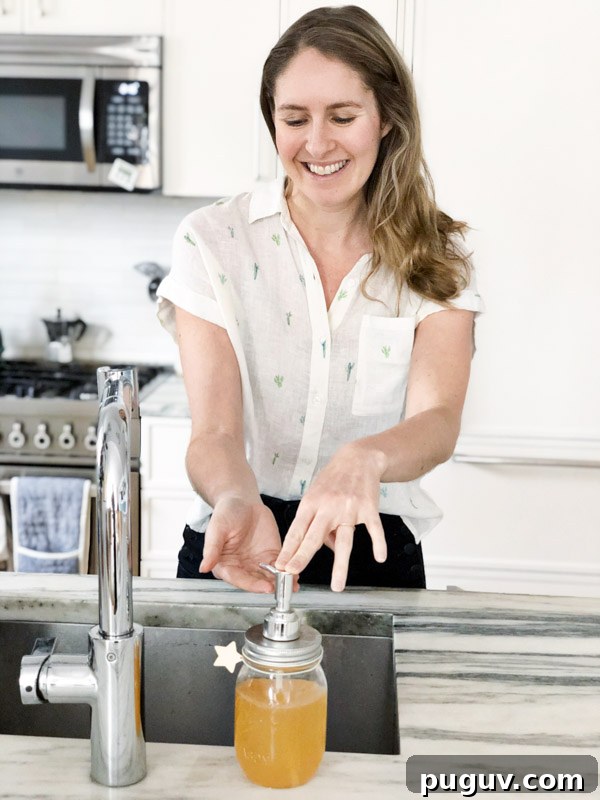
Follain – Refillable Liquid Hand Soap and Soap Bars
Follain’s own line includes an “everything soap” available in refillable glass bottles at select stores. If you have a nearby location you can bring your container in for refills, or use jarred refills at home. The lemongrass scent is pleasant, and their soap bars are great for showers—switching to bar soap is one of the easiest ways to cut plastic from personal care.
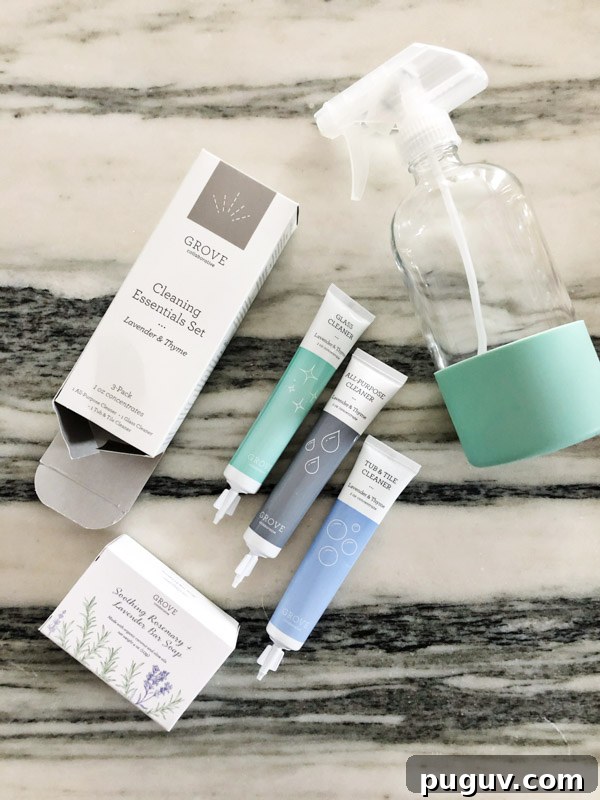
Grove Collaborative – Seedling Bamboo Paper Towels and Toilet Paper
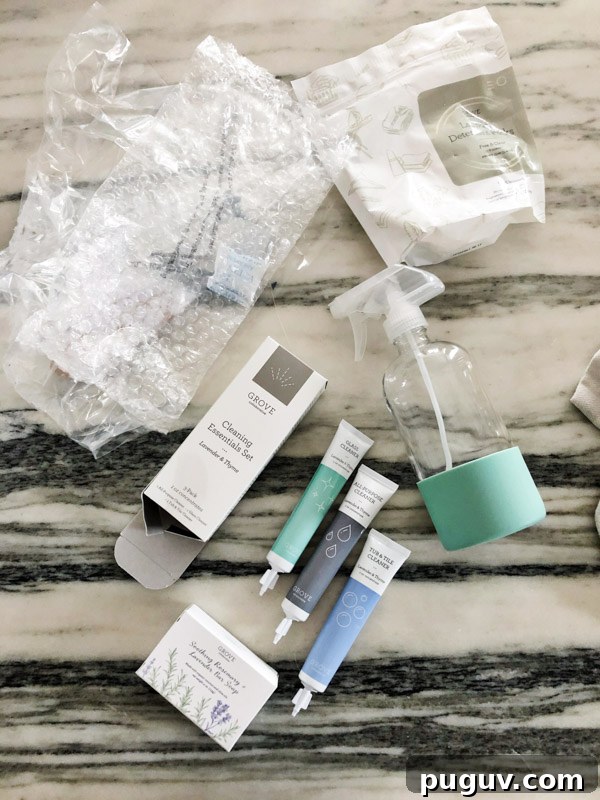
Grove offers refillable cleaners and bamboo paper products. Some of their reusable bottles are glass with silicone grips, which is preferable to plastic, but I’ve received orders wrapped in plastic or with plastic refills—reducing but not eliminating plastic. Their Seedling bamboo toilet paper and paper towels arrive wrapped in a paper box and are made from sustainable bamboo, which I found to be soft and genuinely plastic-free. If your priority is paper products without plastic wrap, these are worth considering.
Branch Basics – Honorable Mention for Non-Toxic Cleaning Concentrates
Branch Basics uses a single concentrate that can be diluted in different ratios for glass cleaner, multi-surface, and other uses. Their system includes refillable bottles with measurement lines to help you mix correctly. They’ve built trust by pausing sales to address quality concerns when necessary, which impressed me. Their concentrate arrives in a larger plastic bottle—still an improvement over buying many different single-use bottles, but not as low-waste as tablet-based refills like Blueland.
OTHER OPTIONS
If you’re exploring beyond my tried-and-true picks, here are a few more brands and considerations.
Clean Cult – Dish Soap
Clean Cult sells soap in carton-style packaging designed as refills for reusable bottles. While the cartons are marketed as recyclable, tetra-packed containers and milk-carton style packaging can be more difficult to recycle in practice than many expect. If minimizing difficult-to-recycle packaging is a priority, be cautious.
Public Goods – Tree-Free Tissue
Public Goods offers a range of household products. Some of their refills use small plastic pouches, but they also carry tree-free tissue options. If your goal is specific sustainable swaps—like tree-free paper goods—this is a brand to evaluate for those items.
Laundress – Fabric Cleaners
Laundress is well-loved for its fabric-care lineup, but most items come in plastic bottles without refill programs. The brand offers a wide range of product SKUs, which can feel excessive—many cleaners are concentrated formulas in different packaging. For the lowest waste, consider a concentrate-first approach like Branch Basics or tablet-based systems like Blueland.
What are your favorite natural home cleaning products and how have you reduced waste in your cleaning routine? I’d love recommendations for other brands to try or strategies to get even greener. There’s always the DIY route for many of these products—I haven’t committed to that yet, but it’s on the list.