What it’s doing to your sleep & health, and a simple way to help.
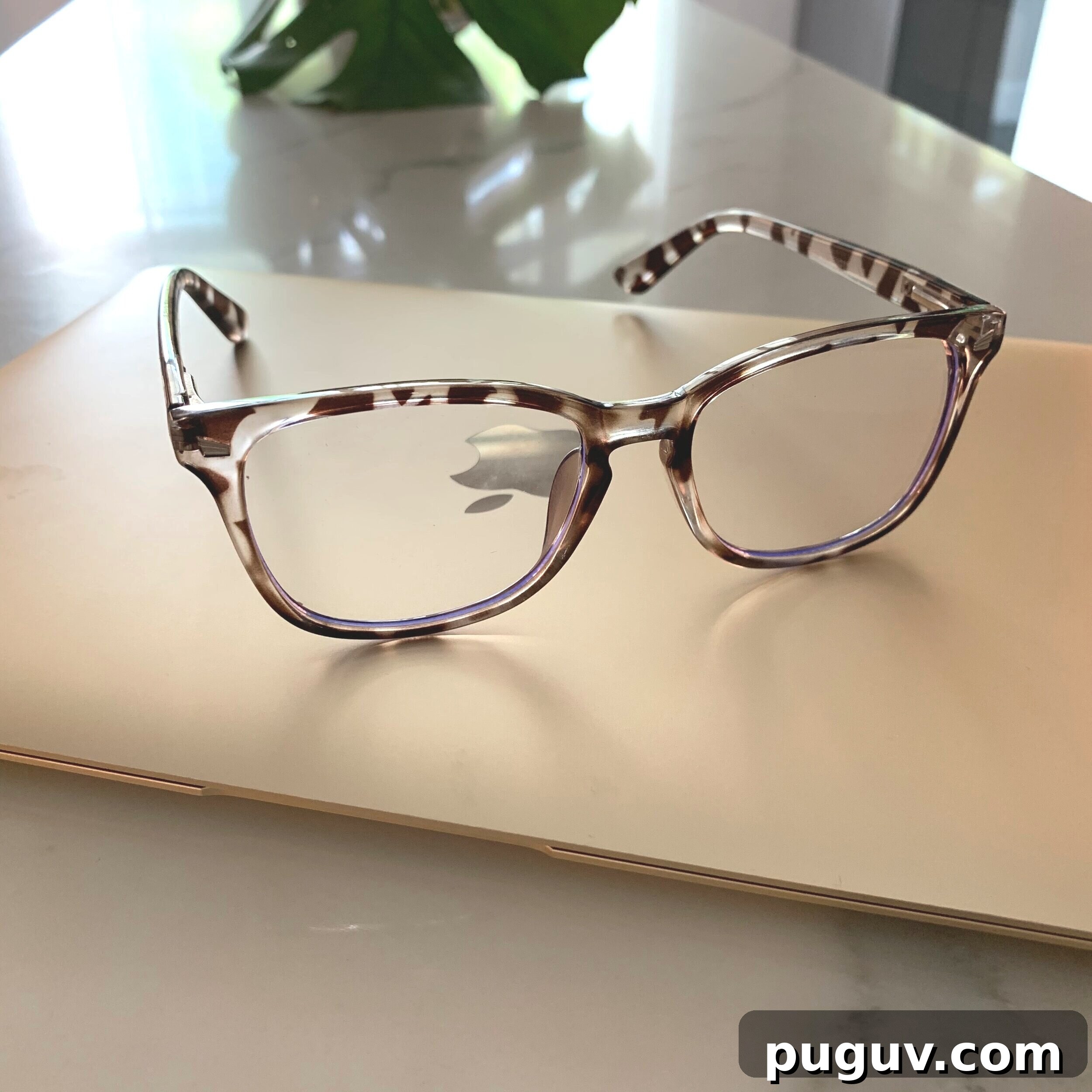
I had LASIK about a dozen years ago, so why am I choosing to wear glasses now? Part of it is style and the way they help me focus for work, but the main reason is practical: they block blue light, which can disrupt sleep and harm overall health.
Sleep is when the body rests, repairs, detoxifies, and processes the day’s experiences. Getting consistent, restorative sleep—typically seven to nine hours—is essential for both physical and mental well-being. If you regularly get six hours or less, your body may compensate by elevating stress systems like the adrenal glands, which can lead to burnout over time.
Even people who go to bed at a reasonable hour can struggle to fall or stay asleep, and one major contributing factor today is chronic exposure to blue light.
Blue light is everywhere, but the largest sources for most of us are electronic screens and bright artificial lighting, such as LED or fluorescent bulbs. Research shows that blue light suppresses melatonin production, the hormone that helps regulate the circadian rhythm and signals the body that it’s time to sleep.
At the same time that blue light reduces melatonin, it can increase cortisol production. Cortisol is useful for waking up and managing stress during the day, but levels should be low at night. Elevated nighttime cortisol contributes to difficulty falling asleep, frequent awakenings, and a racing mind.
Ideally, avoid screens and bright artificial light for at least two hours before bedtime. Realistically, many people relax by scrolling social media or watching streaming shows, and others must work after dark. If you can dim lights and use candlelight in the evening, that’s excellent. If not, a practical alternative is to use blue-light blocking glasses.
Put them on after sunset or whenever you spend extended time on computers, tablets, or phones. Many people find these glasses reduce eye strain, lessen screen-related headaches, and improve sleep quality by limiting evening exposure to the wavelengths that interfere with melatonin.
I personally love my blue-light blocking glasses and they have made a world of difference in regards to eye fatigue, screen headaches, and getting me a goodnights rest!
If you want to try a pair, look for lenses designed to filter blue wavelengths and wear them consistently in the evening or while using screens for prolonged periods.
Choosing simple, consistent habits—reducing evening screen time when possible, adjusting lighting, or using blue-light filtering glasses—can protect your sleep and support long-term health.