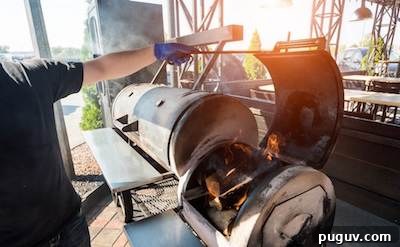
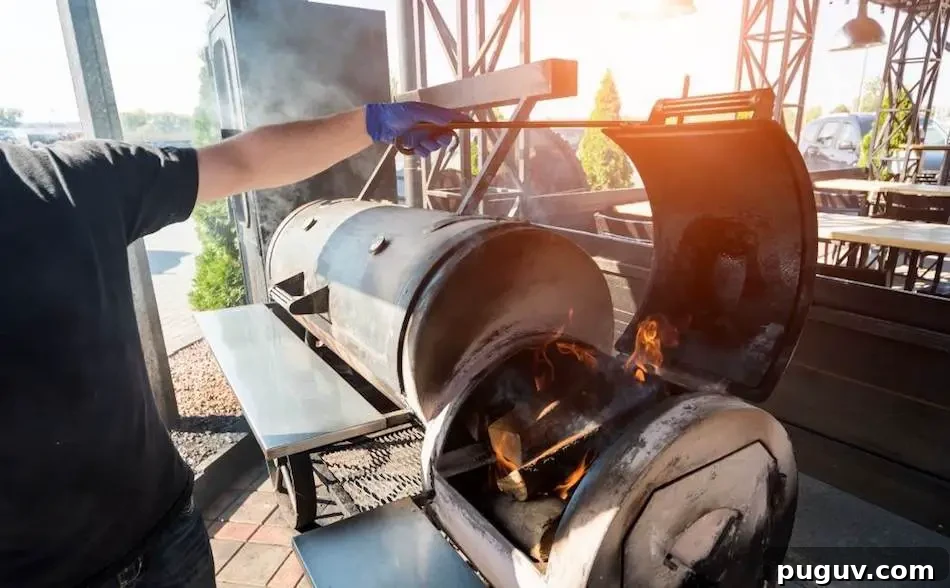
Aaron Franklin is widely regarded as one of the greatest brisket cooks in the world. His approach—clear, straightforward, and focused on the meat—has been shared through YouTube videos and a MasterClass that many pitmasters and home cooks reference. Rather than complex tricks, Franklin emphasizes technique, observation, and patience. This article summarizes his core methods for smoking brisket and explains how to apply them to your own cook.
Franklin typically smokes brisket at about 250°F on an offset smoker until the meat reaches the right tenderness. Depending on size, a whole brisket can take roughly 8 to 12 hours; an 8 lb brisket may finish in about 8–9 hours at that temperature.
Key Points
- Aaron Franklin smokes brisket around 250°F on an offset smoker.
- Typical cook times range from 8–12 hours depending on size; larger pieces take longer.
- Ideal brisket cooking range is generally 225°F–250°F for low-and-slow cooks.
- Franklin uses a traditional offset (stick burner) smoker, which requires skill to manage but produces classic results.
Common Temperatures Franklin Uses
Franklin varies the temperature by cut. For brisket he favors about 250°F. For ribs and pork butt he often runs closer to 275°F. Turkey and other poultry may be cooked hotter, while beef ribs might sit between these ranges. The goal is to match temperature to the cut so the connective tissue breaks down properly and the meat stays juicy.
| Meat | Cooking Temperatures |
|---|---|
| Brisket | 250°F |
| Ribs | 275°F |
| Pork Butt | 275°F |
| Turkey | 325°F |
| Beef Ribs | 285°F |
Preparing a Brisket the Franklin Way
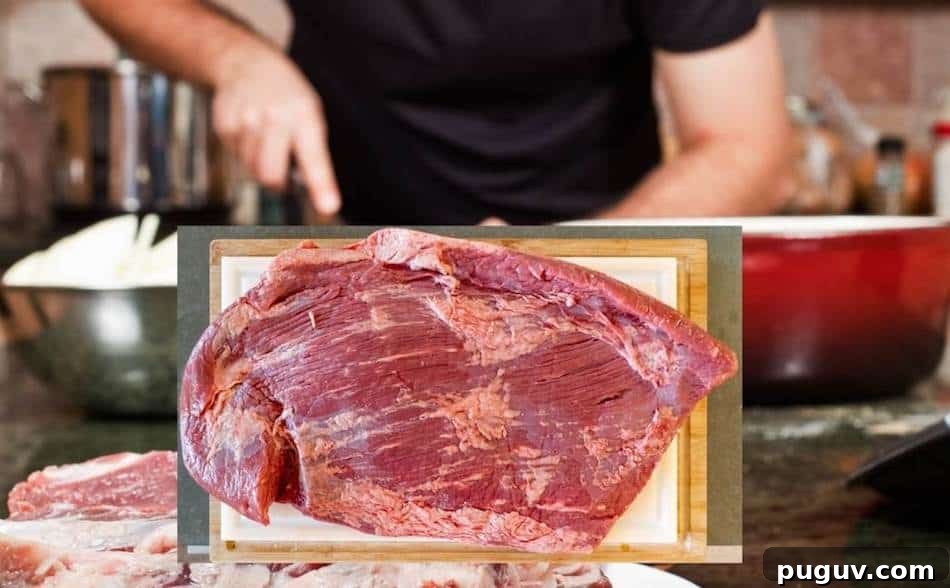
Franklin keeps preparation minimal so the beef remains the centerpiece. He avoids heavy injections, complicated slathers, or multi-ingredient rubs that mask flavor. Instead, he relies on experience, visual and tactile cues, and a few reliable techniques. Learning to read how a brisket looks and feels at each stage of the cook is more important than rigidly following a clock.
The Aaron Franklin Brisket Method — Step by Step
Below is a concise walk-through of Franklin’s commonly used steps. Adapt to your circumstance and use your senses as your guide.
- Trim the fat cap to about 1/4 inch. That leaves enough fat to baste the meat while allowing a good bark.
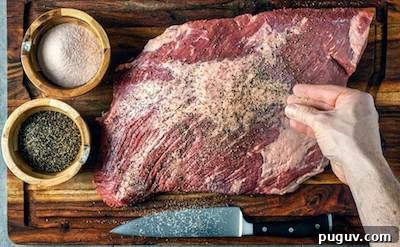
- Season simply with a 50/50 mix of kosher salt and coarse (16-mesh) black pepper. This classic blend highlights the beef without overpowering it.
- No binder is required; the salt and pepper adhere to the trimmed surface naturally.
- Bring the brisket to near room temperature before it goes on the smoker for more even cooking.
- Place the brisket on the smoker fat-side-up so rendered fat can baste the meat during the cook.
- Use a water pan in the smoker to help stabilize humidity and prevent excessive drying.
- Target smoker temperature: roughly 250°F for a low-and-slow cook. This temperature helps collagen break down over many hours.
- Plan roughly 1 to 1¼ hours per pound as a guideline, but always rely on feel and internal temperature rather than clock time alone.
- Typically Franklin wraps the brisket in butcher paper partway through the cook (often after the stall begins), which speeds the cook and preserves moisture while maintaining bark development.
- Rest the brisket for at least 60 minutes after it comes off the smoker to allow juices to redistribute before slicing.
Ideal Cooking Temperatures and Why They Matter
The accepted range for low-and-slow brisket is roughly 225°F–250°F. This slow exposure to heat gives the meat time to absorb smoke, build a deep bark, and allow collagen to turn into gelatin. Cooking at higher temperatures shortens cook time but reduces the time available for connective tissue breakdown and smoke absorption. You can raise the heat slightly after wrapping to help push through the stall if you’re pressed for time, but the best texture and flavor generally come from patience.
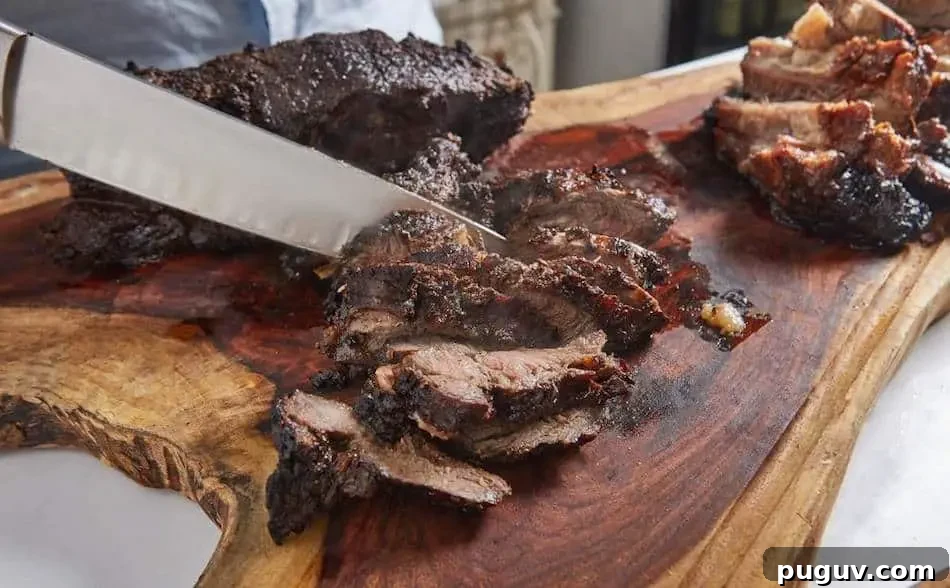
Note: Wrapping in butcher paper is preferred by many pros because it preserves bark better than foil while still speeding the cook. Use unwaxed, food-grade butcher paper.
What Smoker Does Aaron Franklin Use?
Franklin favors a real offset smoker, sometimes called a stick burner. These smokers have a separate firebox for burning wood and a cooking chamber for the meat. They require close attention to airflow and fuel management and are harder to control than modern pellet or electric smokers. True offset smokers are typically heavy, well-insulated, and costly; cheaper thin-metal copies perform poorly and waste fuel.
How to Keep Temperature Stable
Early in the cook, leave the smoker closed for at least the first three to four hours. Frequently opening the lid or constantly spritzing disrupts temperature stability and prolongs the cook. Especially in cold weather, maintain consistent heat and resist the urge to peek; patience pays off.
Hot-and-Fast Brisket Trend
There is a popular trend to smoke brisket hot-and-fast at temperatures in the low-to-mid 300s for 4–5 hours. This method can work with a well-marbled cut and disciplined technique—wrapping, monitoring, and moisture control are critical. However, hot-and-fast brisket will not develop the same depth of smoke flavor or the same tender gelatinized texture achieved by a longer low-and-slow cook.
Is Aaron Franklin’s MasterClass Worth It?
Franklin’s MasterClass offers more detailed instruction than his free videos and is useful for cooks who want a structured, in-depth look at his approach. If you’re committed to improving your barbecue skills, the course provides valuable insight into technique, timing, and practical tips you won’t always get in short clips. Consider your level of commitment and learning style when deciding whether to subscribe.
Standard Barbecue Rub
This is a versatile rub adapted from barbecue pros. Adjust quantities to taste.
10 minutes
10 minutes
Ingredients
- – ½ Cup Paprika
- – ½ Cup Salt
- – ½ Cup Sugar
- – ½ Cup Granulated Garlic
- – ¼ Cup Granulated Onion
- – ¼ Cup Chili Powder
- – ¼ Cup Cumin
- – 2 Tablespoons Black Pepper
- – 2 Tablespoons Dry Mustard
- – 1 Tablespoon Cayenne Pepper
Instructions
- Combine all the spices in a large bowl.
- Store the rub in an airtight container or shaker.
Standard Brisket Cook Times
| Brisket Size | Temperature | Cook Time | Including Resting |
| 12 lbs | 225°F | ~18 hours | ~19 hours |
| 18 lbs | 250°F | ~18 hours | ~19 hours |
| 12 lbs unwrapped | 225°F | ~19 hours | ~20 hours |
| 18 lbs unwrapped | 250°F | ~19 hours | ~20 hours |
| 16 lbs | 275°F | 10–12 hours | 11–13 hours |
| 16 lbs unwrapped | 275°F | 11–13 hours | 12–14 hours |
Recommended Tools
Below are common tools many brisket cooks find useful. These are suggestions based on common practice; choose what fits your budget and goals.
Meat Injector: Useful if you want to add moisture and flavor to the interior of larger cuts. Stainless steel injectors are durable and easy to use.
Butcher Paper: Unwaxed, food-grade butcher paper is ideal for wrapping brisket. It helps preserve the bark while allowing the meat to cook more quickly than an unwrapped piece.
Good Probe Thermometer: A dual-probe wireless thermometer helps you monitor both smoker temperature and internal meat temperature simultaneously. Accurate readings guide your decisions more reliably than time estimates.
Instant-Read Thermometer: A fast, accurate instant-read is indispensable for checking doneness in multiple spots as the brisket approaches finish.
Advanced Controllers: For those who want to automate airflow and temperature, multi-channel controllers and Wi-Fi/Bluetooth thermometers offer fine control and remote monitoring.
Thank you for reading. Use these principles—simple seasoning, steady temperature, visual and tactile checks, and patience—to replicate Franklin’s core approach and develop your own brisket technique.