
Starting a new project often feels more intimidating than it actually is. When I first considered converting my vegetable patch into raised beds, I imagined a long, difficult process. It turned out to be quick and straightforward. Building a raised bed typically takes only a few hours and yields many benefits: improved drainage, fewer weeds, easier access, and better overall growing conditions. Rather than listing the advantages, here’s a clear, practical guide so you can see how simple it is to build your own.
Watch how to make these raised garden beds:
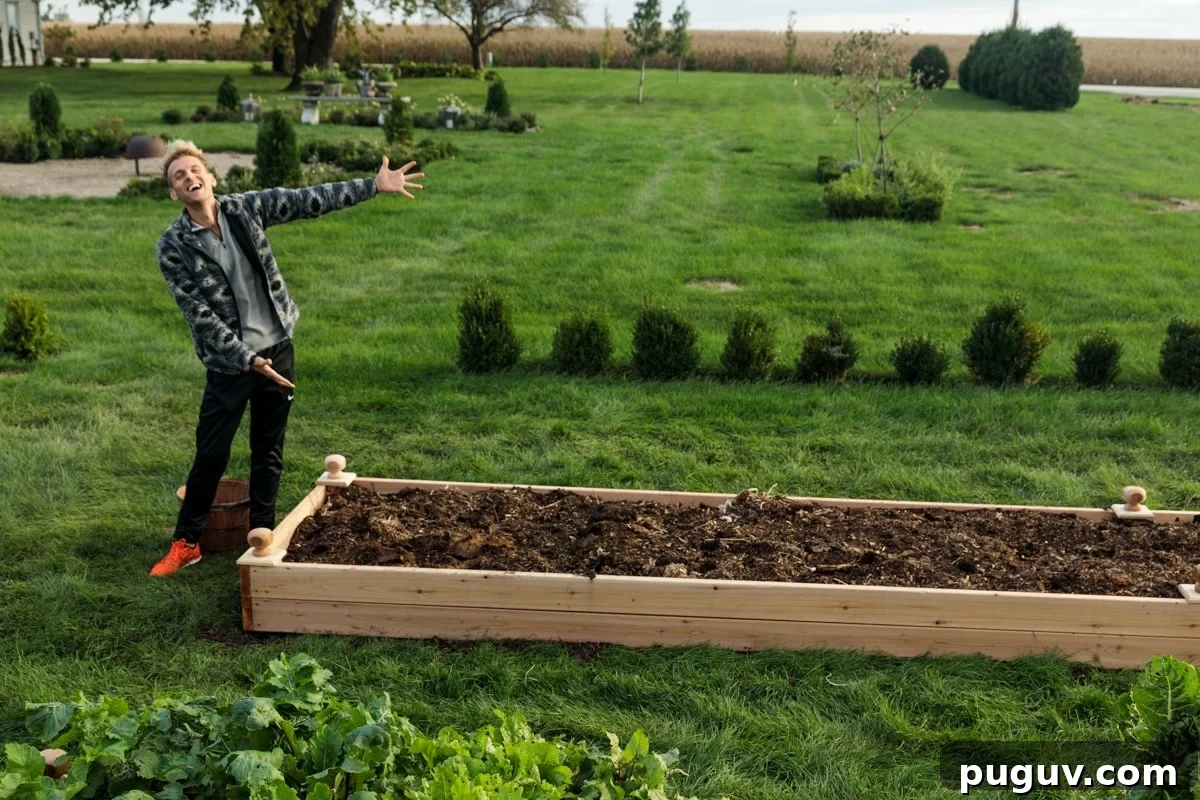
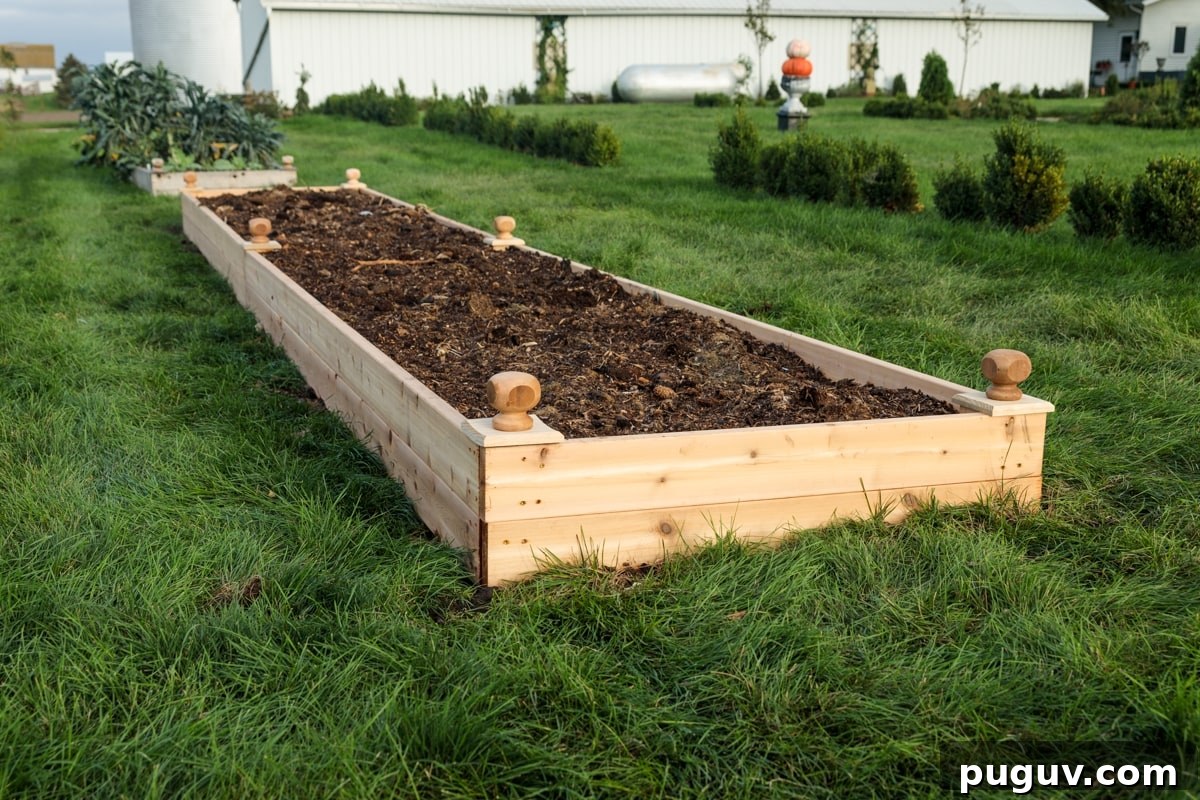
The raised bed I built measures 4 feet by 24 feet, which is larger than most home gardeners need. For a more common size, I’ve included a layout for an 8-foot by 4-foot bed and a complete materials list. Download the PDF for that standard plan if you want a printable reference.
Before assembling the bed, prepare the area by removing grass and any deeply rooted plants. I find it easiest to assemble the bed above ground and then position it where I want it to sit.
Here’s the general process for raised garden beds:
- Assemble the frame by attaching one post at a time until the bed is complete.
- Dig footing holes for the corner posts, then lift the assembled bed and set it in place over those holes.
- Backfill around the posts with soil. A good fill recipe is equal parts quality topsoil and compost, combined with 1–2 cubic feet of perlite or vermiculite for added aeration and drainage. Add the topsoil, compost, and perlite in layers, mixing them as you go for an even blend.
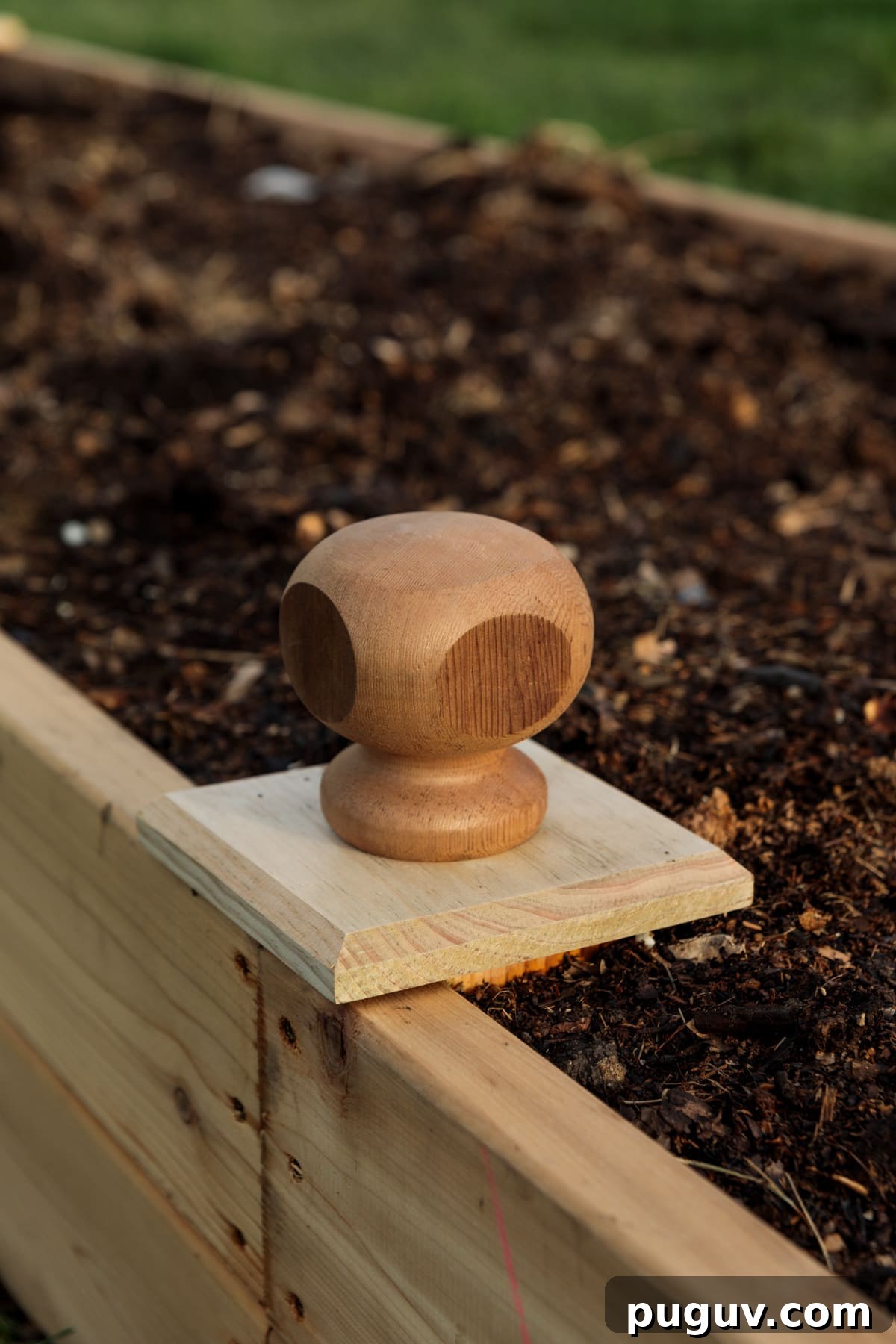
- Finish the posts with caps or decorative finials if you want a polished look—this is optional but adds a nice touch.
After filling the bed, let it settle through the winter. If you can’t buy high-quality compost, fill the bed with autumn leaves and let them break down over the colder months; this creates rich, crumbly organic matter for spring planting.
I’m not a professional landscaper, just an enthusiastic gardener with years of experience. Raised beds have made a big difference in my garden—improving soil quality, reducing maintenance, and making planting easier. I hope this encourages you to build your own raised bed and enjoy the same rewards.
More About Gardening
- How to plant seedlings in the garden
- Outdoor planters done my way
- Planting seeds for spring
- Planting a shrub
- How to start seeds
- How to mulch like a pro