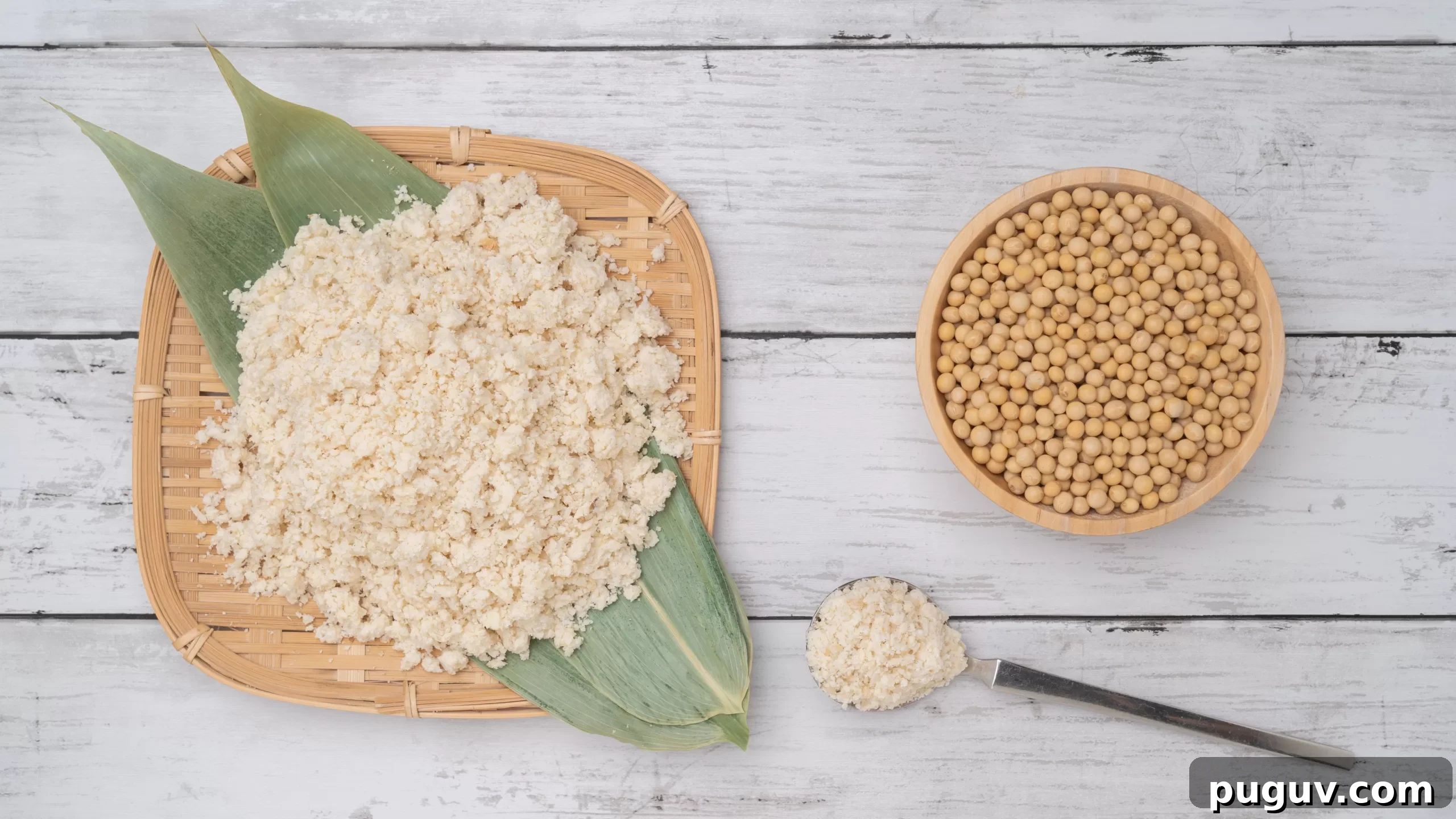
Soybean farming is a major industry in the United States — worth more than $50 billion and ranking as the nation’s second-largest cash crop after corn.
In addition, soybeans lead U.S. agricultural exports, with export value reaching roughly $28 billion last year.
However, recent trade tensions have severely affected demand. One of the largest overseas buyers of U.S. soybeans has not purchased any U.S. soybeans since the trade dispute began.
That buyer is China, which accounted for about $12.8 billion of U.S. soybean sales in 2024. While there is still an opportunity for purchases to resume, the current outlook remains uncertain.
The loss of such a large market has uneven effects across the country. A small number of Midwestern states produce a disproportionately large share of U.S. soybeans and are likely to feel the greatest impact if exports remain depressed.
States most exposed include:
- Illinois
- Iowa
- Indiana
- Minnesota
- Missouri
- Nebraska
- Ohio
Because these states account for a large portion of national soybean production, reduced demand and lower prices could strain farm incomes, local economies, and related supply chains in the Midwest.
Policymakers, producers, and industry groups are weighing options to mitigate the damage, including seeking alternative markets, expanding domestic processing, and exploring short-term relief measures. Diversifying export destinations and investing in value-added processing can help reduce vulnerability to a single large buyer.
For now, the situation remains fluid. Farmers, agricultural businesses, and regional economies will be watching trade developments closely as they consider strategies to adapt to shifting global demand.
What solutions or ideas do you think could help U.S. soybean producers weather this disruption? Share your thoughts in the comments section.