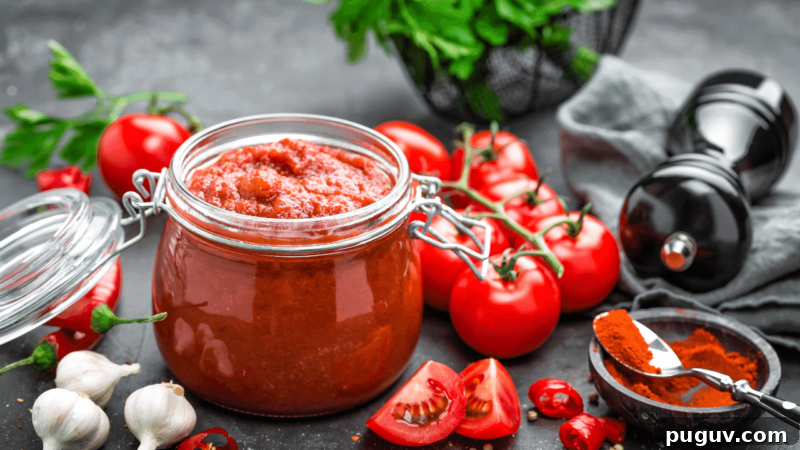
Do you have a bumper crop of tomatoes and want to turn them into homemade sauce? It’s a delicious way to use up tomatoes and avoid waste—perfect for sharing with friends, bringing to work, or keeping for your own meals.
If you plan to store some sauce for later, it’s important to know exactly how long homemade tomato sauce is good for so you can enjoy it safely.
Table of Contents
How Long Is Homemade Tomato Sauce Good For?
Homemade tomato sauce will keep in the refrigerator for about 7 days. Because it lacks the stabilizers and preservatives found in many commercial sauces, homemade sauce has a shorter shelf life. If your sauce contains dairy such as cream or cheese, freezing is the safer option; dairy-based sauces keep best frozen for up to six months. Left unrefrigerated on the counter, homemade sauce should generally not be kept more than 3 to 4 hours in typical room conditions, and no more than a couple of days in cool pantry-style conditions at best—refrigeration is recommended.
How Do I Store Pasta Sauce?
Sterilized glass jars are ideal for storing tomato sauce—reuse clean, thoroughly sterilized and fully dried glass bottles or canning jars. Airtight food-safe plastic containers or BPA-free Tupperware also work well. Whatever container you use, ensure lids seal tightly.
When serving, always use a clean spoon to prevent introducing bacteria. Avoid double-dipping or contaminating the sauce with other foods. Properly sealed containers can be stored in the fridge for up to seven days—check for any signs of spoilage before using.
How To Store The Sauce
To freeze sauce, cool it completely, transfer to freezer bags or airtight containers, label with the date, and lay flat to save space. Frozen sauce keeps best for about three months for optimal flavor and texture; it can remain safe longer but may develop freezer burn and flavor changes beyond that.
If you prefer shelf-stable storage, water-bath canning is an option for high-acid tomato sauces. Transfer hot sauce into sterilized canning jars, seal, and process according to tested water-bath canning guidelines. Adding a bit of lemon juice or vinegar can help ensure adequate acidity. Avoid adding oil before canning, as it can create conditions that increase the risk of botulism.
Can I Freeze Homemade Sauce?
Yes—freezing is an excellent way to preserve homemade tomato sauce. Freeze in portion-sized containers or bags so you can thaw only what you need. When ready to use, thaw in the refrigerator or at room temperature for a few hours, then reheat thoroughly before serving. Properly frozen sauce retains good quality for several months.
How Do I Know My Tomato Sauce Has Gone Bad?
Signs that tomato sauce has spoiled include an off or sour smell, a change in color, watery separation, visible mold, or a bitter or unpleasant taste. If the sauce is past the recommended storage time or you notice any of these signs, discard it. Remember: sometimes harmful bacteria can grow before smell or taste changes are obvious, so when in doubt, throw it out.
Conclusion
Making your own tomato sauce gives you control over ingredients and flavor—no unnecessary preservatives. Store it correctly: refrigerate for up to seven days, freeze dairy-based sauces for longer storage (up to six months), or consider proper canning for shelf stability. Batch-make, freeze portions, or share jars with family and friends—homemade sauce is a versatile and satisfying way to enjoy fresh tomatoes.
Frequently Asked Questions About How Long Is Homemade Tomato Sauce Good For
Is Homemade Sauce Safe For Freezing?
Yes. Freeze sauce in airtight containers at 0°F (-18°C) or lower. Properly packaged sauce will remain safe to eat and maintain good quality for several months.
Can I Leave Homemade Sauce At Room Temperature?
Do not leave homemade sauce at room temperature for more than two hours in a cool environment. Bacteria grow rapidly above 40°F (4°C), so refrigerate promptly to keep the sauce safe.