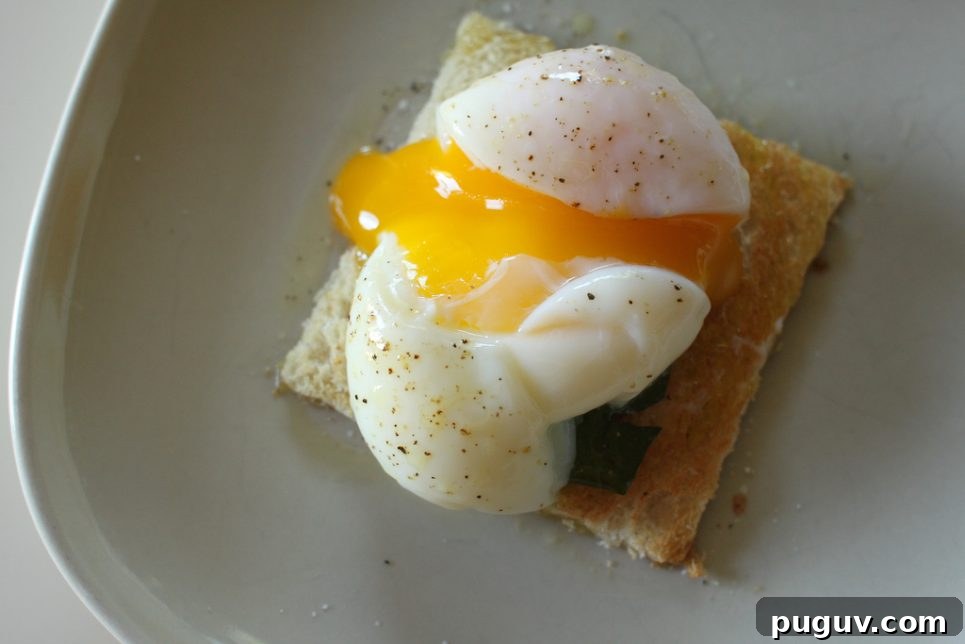
You have probably heard about the excellent results of cooking eggs sous vide. This article explains what to expect from sous vide eggs at various temperatures and cooking times, so you can achieve consistent results at home.
In recent years, upscale restaurants have popularized sous vide eggs. With a good sous vide cooker and a little patience, you can serve the same refined textures at your table.
One advantage of eggs is that they can be cooked in their shells, which simplifies the process. This guide focuses on in-shell sous vide cooking and the textures produced at different temperatures and durations.
More Than Two Parts: Understanding Egg Structure
Although many people think eggs have only two parts, they actually consist of three components: the yolk, the tight (or thick) white, and the loose (or thin) white. Knowing how each part behaves under heat helps you control final texture.
The yolk contains most of the egg’s nutrients — fats, protein, vitamins and minerals — and is enclosed by a membrane that keeps it rounded. The tight white surrounds the yolk and is richer in protein; a small portion of it is solids while the rest is mostly water. The loose white is thinner, spreads away from the yolk when the shell is broken, and contains fewer proteins and minerals than the tight white.
As eggs age, the membranes thin and more moisture migrates into the loose white, which becomes runnier. Raw egg is essentially water thickened by proteins; cooking alters protein bonds so the components first combine and then firm up. Prolonged or high-heat cooking tightens these bonds further, turning a tender egg into one that is crumbly or dry. Understanding this process is valuable when cooking eggs sous vide.
How Egg Parts React to Sous Vide Temperatures
The yolk, tight white, and loose white set at different temperatures because they contain different amounts and types of proteins. The tight white usually sets first, while the loose white requires more heat to firm. Yolks begin to gel at moderate temperatures and become progressively firmer as temperature increases.
If you want to pasteurize eggs for dressings like Caesar or for mayonnaise without changing their texture, cook them sous vide at 130°F (54°C) for a few hours. This will render the eggs safe while leaving them essentially unchanged in structure—no noticeable gelling occurs at that temperature.
At 140°F (60°C), the tight white will set and become firmer, while the loose white remains watery and the yolk still appears almost raw. Eggs at this temperature are very delicate and can break apart easily.
Raise the bath to 150°F (66°C) and the yolk transitions from raw and runny to soft and cohesive, able to hold its shape. The loose white will begin forming small curds while the tight white becomes solid and firm.
At 160°F (71°C), both whites will be solid and tender, and the yolk will be firm while still retaining a pleasant creaminess.
For fully set hard-boiled eggs without a chalky yolk, cook at 165°F (74°C). The eggs will be tender rather than rubbery, and yolks will remain smooth compared with conventional boiling.
Why Cooking Time Matters
Time is as important as temperature. Proteins need time to restructure and thicken, especially yolks. Longer cooking at a given temperature yields firmer, thicker results.
For example, at 145°F (63°C) a 45-minute cook will leave the yolk looking raw while the whites begin to set. Extending to 60 minutes thickens the yolk slightly. At 90 minutes the yolk becomes pudding-like; after two hours it firms further while whites change more slowly.
Combining the right temperature with the appropriate time lets you produce soft-boiled, jammy, or fully set eggs consistently. Adjust both variables to match the texture you want.
Use an Immersion Circulator for Reliable Results
An immersion circulator maintains a precise water temperature, which is essential for repeatable sous vide eggs. Modern circulators are affordable and make it easy to hold the exact temperature needed for a particular texture. Invest in a quality unit and follow the temperature and time guidelines above to achieve predictable, restaurant-quality eggs at home.