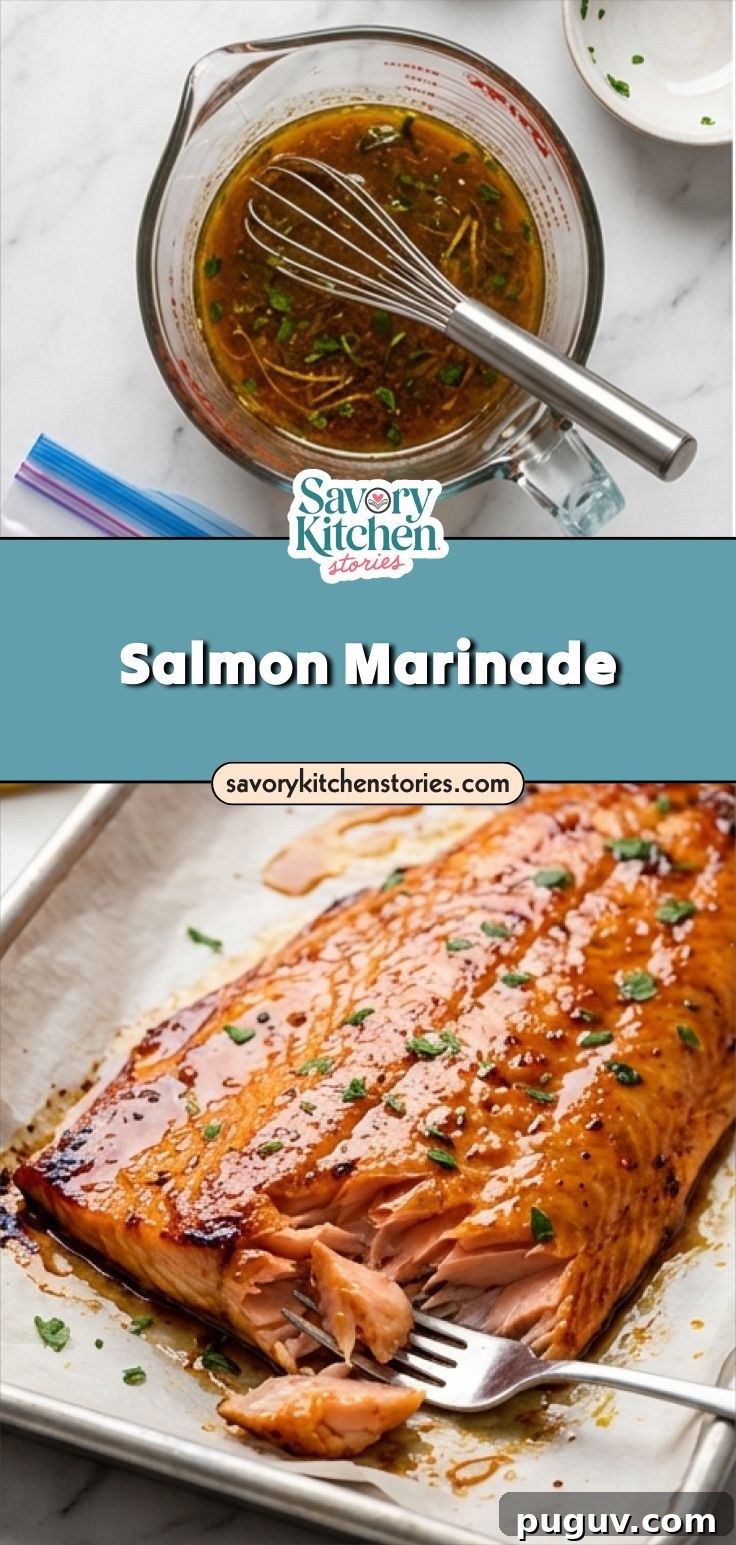
Salmon Marinade Recipe is one of those simple kitchen rituals that transforms a plain fillet into a meal you actually look forward to. After a long week I reached for this recipe and found it both comforting and bright: honey and lemon balance savory soy, while garlic and parsley keep it grounded. It’s quick to assemble and forgiving if you tweak quantities to taste. If you want a reliable, crowd-pleasing salmon option, this marinade will earn a spot in your rotation fast.
How This Salmon Became My Weeknight Hero
I first made this salmon on a rainy Thursday when the market offered a gorgeous whole fillet I couldn’t resist. The kitchen filled with lemon and roasted garlic as the fish sizzled, and the honey in the marinade caramelized the edges to a warm amber that made me smile before the first bite. I set a simple table — a crisp green salad, warm rice, and something chilled — and every bite felt like a small reward after a busy day. Guests asked for the recipe, and since then this salmon has marked celebrations and quiet dinners alike, always moist, fragrant, and easy to love.
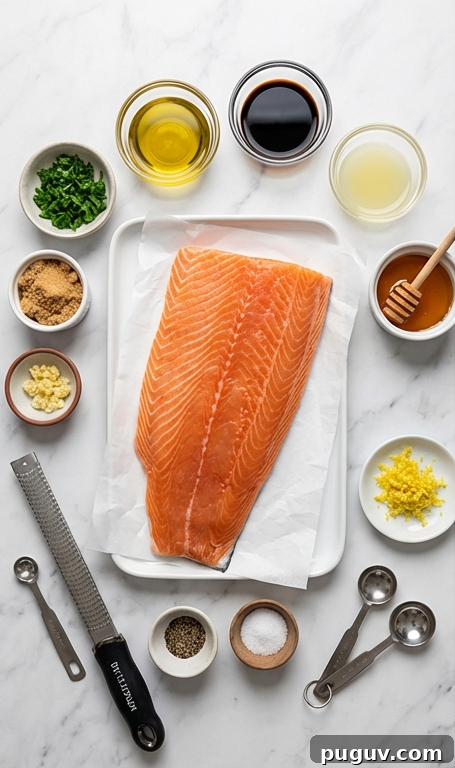
The Ingredients That Bring Everything Together
- Salmon: The centerpiece, offering rich, flaky texture. Choose a firm, bright fillet; wild or farmed both work. Trout is a lighter substitute.
- Olive Oil: Adds sheen and helps carry flavors. Use extra-virgin for more flavor or a lighter oil for higher-heat cooking.
- Soy Sauce: Brings savory depth and salt. Reduced-sodium is a good option if you prefer milder seasoning.
- Lemon Juice and Zest: Brighten and lift the marinade. Lime works well for a different citrus note.
- Honey and Brown Sugar: Provide balance and encourage caramelization. Maple syrup is a fine alternative.
- Garlic and Parsley: Fresh aromatics that finish the dish. Reduce the garlic if you want a subtler profile.
- Salt & Pepper: Season to taste, remembering the soy sauce adds saltiness.
Essential Kitchen Tools
You don’t need every gadget, but a few basics make this marinade effortless and clean:
- Large zip-top bag or shallow dish: For even marinating and easy cleanup.
- Measuring jug and whisk: To blend oil, soy, lemon, and honey into a glossy emulsion.
- Tongs or spatula: For safe transfer to the grill or baking dish.
- Tweezers or pliers: Handy for removing pin bones so every bite is pleasant.
- Grill with good grates or oven and baking dish: Both yield excellent results; choose by weather and mood.
Step-by-Step Preparation Guide
Step 1: Prep the salmon
Pat the fillet dry with paper towels until the surface is satin-dry; this helps the marinade cling and promotes a good sear. Run your fingers along the flesh to feel for pin bones and remove them with tweezers if needed. Trim ragged edges and, if desired, portion the fillet into 6-ounce pieces so they marinate evenly. The fish should look neat, dry to the touch, and ready to accept flavor.
Step 2: Make the marinade
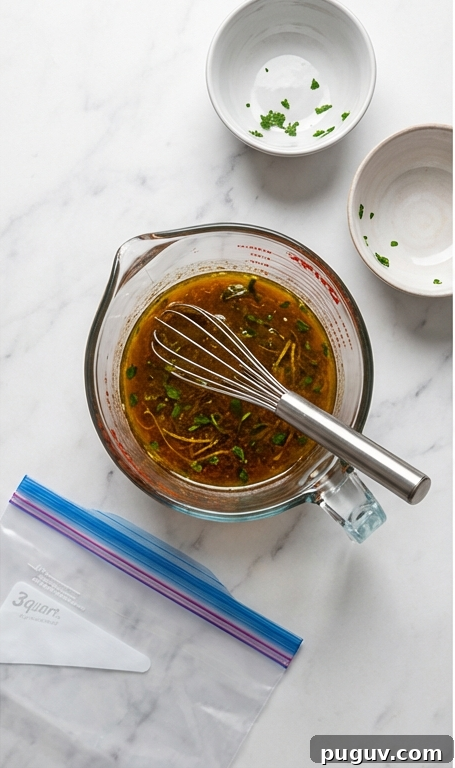
In a medium glass measuring jug, combine olive oil, soy sauce, lemon juice, honey, optional brown sugar, minced garlic, finely grated lemon zest, and chopped parsley. Whisk vigorously until the mixture is glossy and homogeneous — a slightly viscous, amber emulsion with specks of parsley and zest suspended throughout. Taste and adjust salt and pepper; remember soy sauce contributes most of the saltiness.
Step 3: Marinate the fish
Place salmon pieces into a large zip-top bag (at least 3-quart). Pour the marinade into the bag, remove excess air, and gently massage so the marinade coats every surface. Set the sealed bag in a shallow dish and refrigerate for 30–60 minutes; longer only if you prefer a stronger cure. The salmon should look evenly coated and slightly darker where saturated.
Step 4: Remove and prepare to cook
When marinating is complete, remove the salmon from the bag and discard the excess marinade. Pat the pieces lightly if you want a crisper exterior, or leave a thin glaze for deeper caramelization. Let the fish sit a couple of minutes closer to room temperature while you heat your grill or preheat the oven — this helps it cook more evenly. Place the fish on a lightly oiled tray or baking dish for transfer.
Step 5: Cook — grilling note
If grilling: oil the grates well and cook skin-side down over a hot grill (about 400–450°F). Grill roughly 10–12 minutes per inch of thickness; individual 1-inch fillets often take 8–10 minutes. Aim for opaque, flaky flesh with slight charring and a caramelized glaze. Rest the salmon on a plate for 5 minutes before serving to let juices redistribute.
Step 6: Cook — oven note and serve
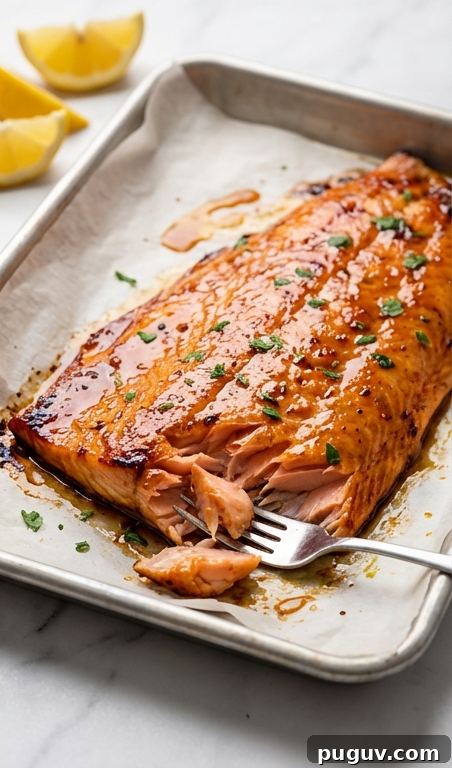
If baking: place the salmon in an oiled, shallow rectangular baking dish and roast at 375°F for 15–22 minutes depending on thickness (individual fillets commonly bake 12–15 minutes). Remove from the oven and rest for 5 minutes. Serve the salmon whole or portioned in the same dish, sprinkle with extra chopped parsley, arrange lemon wedges nearby, and present the fillet so diners can see the tender, flaky interior.
Making It Your Own
Think of this marinade as a basecamp for experimentation. Swap honey for maple and add a pinch of smoked paprika for a subtle smoky finish. For a low-sugar option, omit the brown sugar and add more lemon and a splash of rice vinegar.
For an herb-forward profile, double the parsley and add a tablespoon of chopped dill at serving. For heat, stir in a chopped serrano or a teaspoon of gochujang for a bolder flavor. Vegetarian cooks can apply the same marinade to firm tofu or portobello caps, allowing longer marinating time for better penetration.
How to Serve
Let the salmon be the centerpiece: lay the whole fillet on a warm platter, sprinkle extra parsley, and surround it with lemon wedges. Pair with fluffy rice, herbed potatoes, or a crisp seasonal salad. For smaller groups, serve individual portions over lemony couscous or a bed of wilted spinach.
To scale for a crowd, keep the marinade ratios steady and marinate in batches or multiple shallow dishes. For buffet-style service, bring the salmon to the table on its roasting dish for casual family-style serving.
Storage and Reheating Tips
Cooked salmon keeps for up to 3 days in an airtight container in the refrigerator. Let it cool slightly before storing to avoid condensation that can make the exterior soggy. Reheat gently at low oven heat or covered in a skillet with a splash of water to preserve moisture.
Leftover marinated but uncooked salmon should be cooked within 24 hours for best texture. Do not reuse leftover marinade as a sauce unless you boil it thoroughly to eliminate any raw-fish bacteria.
Common Mistakes and How to Avoid Them
Over-marinating can make the surface texture mushy, so stick to 30–60 minutes unless you prefer a stronger cure. Pat the fish lightly before cooking if you want a crisp exterior.
Overcooking is another common mistake. Watch the salmon in the final minutes; it can go from perfect to dry quickly. Use a timer and, if available, an instant-read thermometer to remove the fish at about 125–130°F for medium doneness.
Final Thoughts and Invite
Try this Salmon Marinade Recipe on a busy weeknight or for a relaxed weekend dinner. It rewards small tweaks, and once you find your preferred balance of sweet, bright, and savory, it will become a go-to. I look forward to hearing which variation becomes your favorite.
Frequently Asked Questions.
- Can I make the marinade ahead of time and store it? Yes. Mix the marinade up to 24 hours ahead and refrigerate. For longer storage, check the oil and aromatics for freshness.
- How long should I marinate the salmon? Marinate 30 to 60 minutes. A longer cure intensifies flavor but can alter texture.
- Can I use this marinade for other fish or proteins? Yes. Try it on trout, halibut, tofu, or chicken, adjusting cook times accordingly.
- What if I don’t have a grill? Roast the salmon at 375°F in a baking dish; check at 12 minutes for thinner fillets and up to 22 minutes for thicker pieces.
- Is this recipe good for meal prep? Yes. Cooked salmon stores well for a few days and works cold or gently reheated in bowls, salads, or sandwiches.